





Greg Miller
Tuesday, October 6, 2020
New ship orders sink as fear of future economic crisis grows
Shipping CEOs see an increasing risk of a global economic crisis in the decade ahead.
Shipping CEOs see an increasing risk of a global economic crisis in the decade ahead.
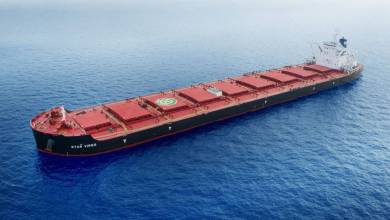
Another key bellwether — the cost of dry bulk freight — is pointing to an economic recovery.
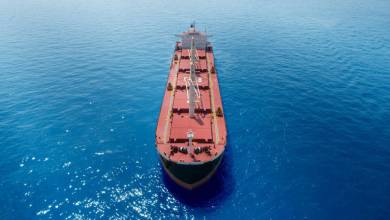
Marine fuel prices are down 30% year-on-year despite the IMO 2020 regulation.

Ocean shipping stocks remain mired in a sea of red. A bad year is getting worse.
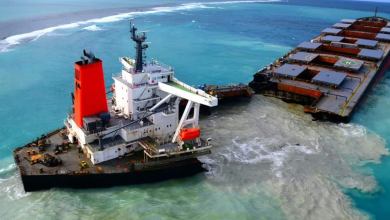
After decades of safety improvements, a deadly stretch of casualties for ocean shipping.

McKinsey warns that global shocks will become more frequent and shippers must improve the resiliency of their supply chains.
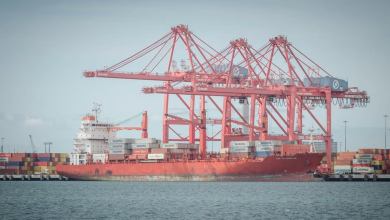
Innovation in the maritime industry relies on top-down mandates that are complicated by multilayered regulatory regimes and compliance requirements.

Good news: Ocean volumes are recovering from COVID.
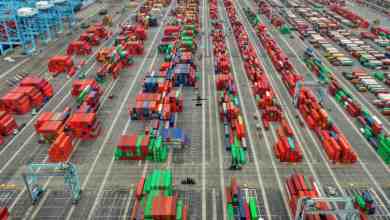
COVID-19 could ignite geopolitical clashes and cause “meltdown” in U.S. consumer demand.
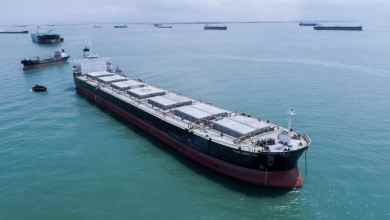
M&A is being blocked by weak share pricing among buyers and lack of desperation among sellers.

New data reveals just how far ship orders have sunk. The fewer ships ordered, the higher future rates could climb.

Robintrack.net data reveals what retail traders are buying and when. The question is: Why?
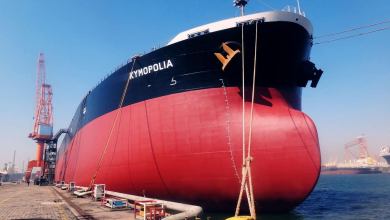
Dry bulk was riding high just a few weeks ago. Now it’s taking a tumble.

An analysis of daily traded values and volumes of tanker and dry bulk stocks.

Roger provides digital tools for bulk freight shippers and carriers that reduce paperwork, and accelerate payment and real-time shipment status.

Top Ships, Seanergy, Castor and Globus tap equity markets to buy vessels.

Nordic American Tankers is the best stock performer among larger listed ship owners. Scorpio Bulkers is the worst.

Global trade fallout from the crew-repatriation crisis has begun — and looks poised to snowball.

Long-term institutional investors still steer clear of shipping shares — with good reason.

Retail stock pickers bet big on tankers. Dry bulk remains less enticing despite rate surge.