Legislation would require crash protection on new trucks
The Stop Underrides Act 2.0 mandates 40 mph-rated side guards for all new trucks and trailers while dropping the controversial retrofit requirements for existing fleets.
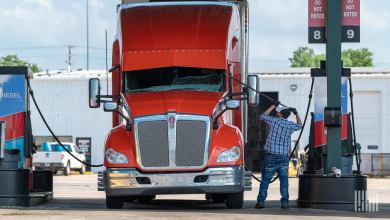
Fuel is one of the largest expenses for trucking fleets, making conservation strategies essential for long-term profitability. By leveraging technology such as fleet fuel cards, AI-powered route optimization, and real-time driver monitoring, fleets can reduce waste, improve efficiency, and prevent fuel fraud. Implementing preventative maintenance, minimizing idling, and optimizing routes are key to ensuring every gallon is used effectively. With fluctuating diesel prices and tightening margins, adopting a data-driven fuel management approach is necessary for survival in today’s trucking industry.
The fifth-generation Freightliner Cascadia is not dramatically different from the current model but it brings some driver-friendly changes.
Three freighter operators are among the early adopters of an innovative aircraft coating inspired by sharks that makes aircraft more aerodynamic and fuel-efficient.
Negative driving behaviors — including speeding, rapid acceleration and harsh braking — can have a serious impact on fuel economy and, ultimately, a carrier’s bottom line.
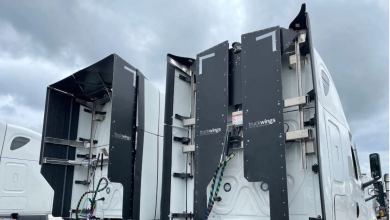
Trucking technology company ConMet has acquired Truck Labs, whose aerodynamic TruckWings save 3%-6% on a fleet’s fuel bill.
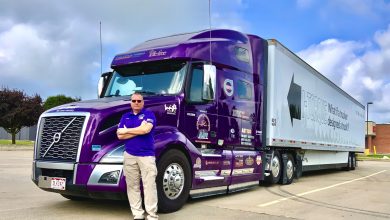
The typical Class 8 truck gets less than 7 miles per gallon on the highway. How does a driver average more than 10 mpg?
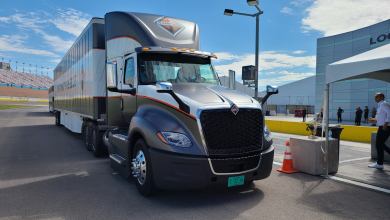
Navistar’s S13 integrated powertrain will be the truck manufacturer’s last internal combustion engine as the trucking industry decarbonizes.
Bob Bortner of IMI dives into the most effective fuel-saving strategies when combating exorbitant fuel prices.
Every gallon of fuel saved can lead to savings that affect the bottom line for fleets
The number of idling vessels has roughly doubled in the past decade, in part due to port congestion, a recent study finds. Idling vessels are at higher risk of biofouling, especially in warm waters.
Buying a high-MPG vehicle saves you money at the pump – and there’s less carbon pollution too!
CSX will be using Wabtec’s technology aimed at reducing emissions and improving fuel efficiency for locomotives.