





Stuart Chirls
Friday, October 17, 2025
UN postpones decision on shipping carbon tax
A proposal to tax ship emissions has been postponed after President Trump said the U.S. wouldn’t abide by any international agreement.
A proposal to tax ship emissions has been postponed after President Trump said the U.S. wouldn’t abide by any international agreement.
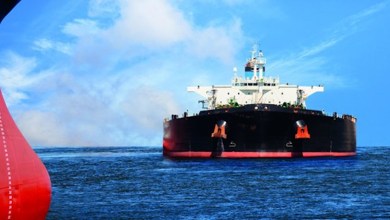
The United States is threatening penalties ranging from port fees to barring ships from entry on nations that back a controversial carbon tax on ships’ emissions.
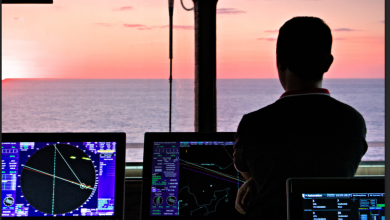
For the second year in a row, the chief worry among maritime executives is political instability, according to a new industry survey.

Ship operators will have to pay a carbon tax on emissions beginning in 2028, but at a lower threshold than first proposed.
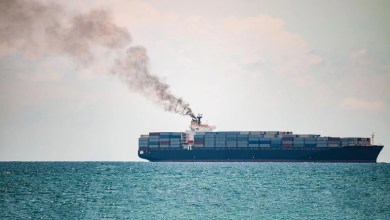
Governments are meeting this week on global fees for cargo ship emissions.

Marine fuel rules have become a key factor in diesel prices, but a new set of regulations may actually push downward on the market.
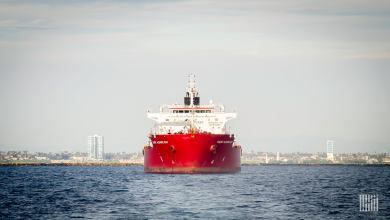
The International Maritime Organization and a California congressman look for strategies to lower emissions on World Ocean Day.
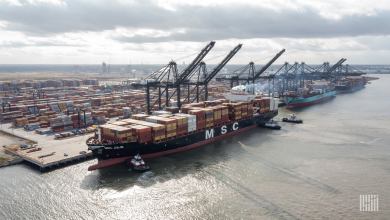
A carbon price is an “essential element in any decarbonization plan,” John Butler, president and CEO of WSC, said during a press conference Thursday.

The leading spokesman in Washington for the world’s container trades offers his take on the implications of potential regulatory changes in 2022.
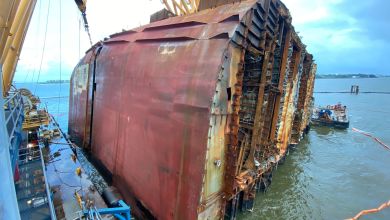
“The NTSB determined the probable cause of the capsizing of the Golden Ray was the chief officer’s error entering ballast quantities into the stability calculation program.”
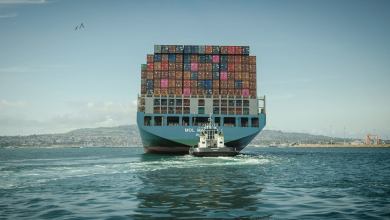
AskWaves explores the difference between measuring emissions based on what comes out of the tailpipe versus the emissions for the entire life cycle of a shipping fuel.
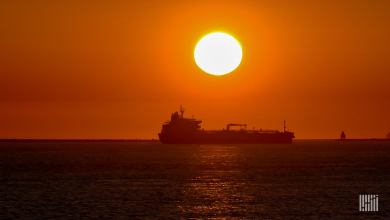
Shipowner associations ask, “What are we waiting for?” to accelerate research and development for zero-emission shipping technologies and fuels.
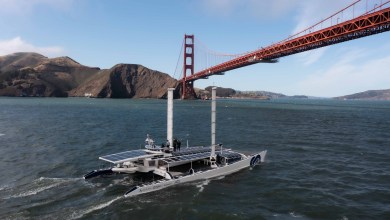
The Energy Observer is on a seven-year cruise to publicize the role alternative energy could play in the shipping industry.

Danaos will stockpile cash from the current boom and spend it on new ships when environmental regs are clearer.
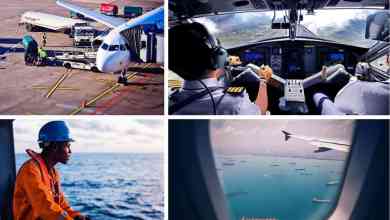
Trade is bottled up around the world and part of the problem is the difficulty in getting seafarers and pilots back and forth across borders.
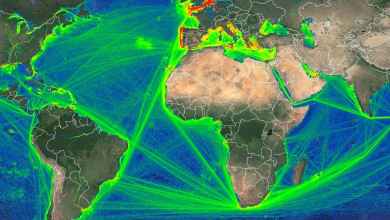
More venture capital flowing to maritime tech startups – and more shipping companies giving those startups a trial run.
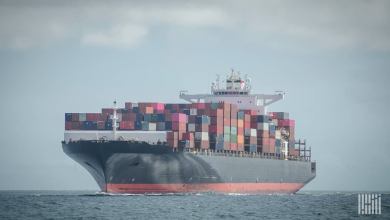
IMO 2020 and new amendments have the potential to further lower emissions for maritime freight. Carriers are using low-emission fuels, scrubbers and shore-to-ship power.
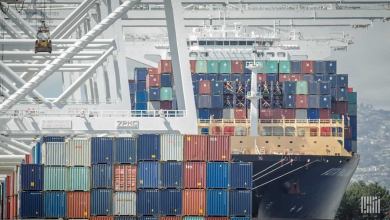
A half-dozen basic physical characteristics of ocean containers should be considered before shippers or their packers stuff them.

What happens next at the IMO will affect oceangoing ship capacity — and freight rates — for decades to come.
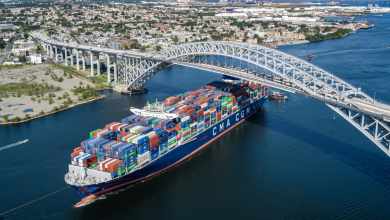
International Maritime Organization website down and CMA CGM continues investigation following ransomware attack