US opening investigation into container shipping choke points
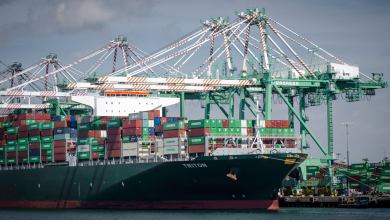
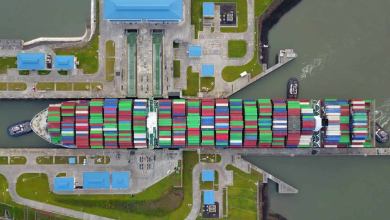
The Federal Maritime Commission wants to know whether foreign countries and their shipping companies are causing supply chain constraints around the world.
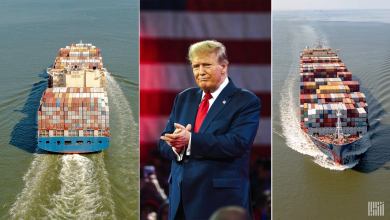
A consortium led by U.S. private equity firm BlackRock has agreed to purchase the Panama port terminals owned by CK Hutchison of Hong Kong.
President Donald Trump on Monday repeated his wish to “take back” the Panama Canal and initiate 25% tariffs against Mexico and Canada.
Sixteen Republicans have signed on to a bill that would pave the way for soon-to-be President Donald Trump to put the Panama Canal back under U.S. control.
Panamanian President José Raúl Mulino rejected President-elect Trump’s claims of Chinese interference and high fees to use the Panama Canal.
U.S. liquefied natural gas exports to China could be affected by an escalation of tariffs between the two countries, said Ricaurte Vasquez, administrator of the Panama Canal Authority.
In this edition: 2024 might not end up being the white knight, and the Panama Canal opens up for additional volumes.
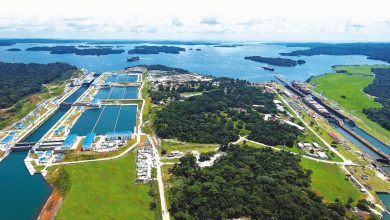
The end of Panama’s dry season is in sight, and the Panama Canal Authority plans to welcome more vessels in the coming weeks.
Longer routes and bottlenecks are expected to have a larger ripple effect on the supply chain as a whole as volumes continue to tick up and disruptions show no sign of abating.
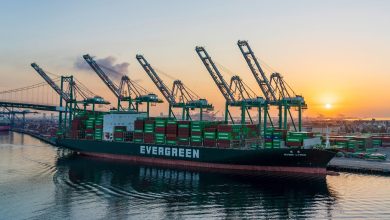
Port director Gene Seroka cited replenishing inventory and consumer spending as drivers of growth.
Hopes for a significant rebound in Panama Canal water levels to boost throughput will likely be met with a harsh reality over the next few months.
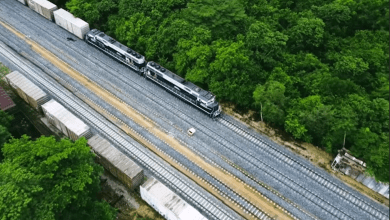
Mexico’s Isthmus of Tehuantepec rail corridor could complement container movements along the Panama Canal.
Monthly canal transits are now much lower than they were in 2015, the year before the Neopanamax locks went into operation.
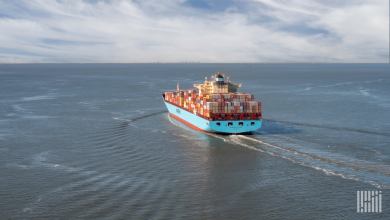
Maersk has opted to bypass the drought-stricken Panama Canal and use rail to transport cargo across Panama.
The combination of Red Sea detours and Panama Canal restrictions is having a knock-on effect: higher Asia-West Coast rates.
Ocean shipping kept the world’s cargo flowing amid two wars and disruptions at both the Panama and Suez canals.
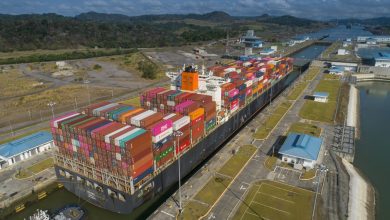
Panama’s drought initially affected transits through the smaller locks. The pain has now spread to the larger Neopanamax locks.
Next year, U.S. importers must navigate canal restrictions, diversions from the Red Sea, more canceled sailings and, possibly, a port strike.
U.S. diesel exports to South America’s west coast are heavily exposed to Panama Canal delays. Tanker rates have skyrocketed.
As the Panama Canal scales back on reservation slots, more ships without reservations wait longer to get through.