





FreightWaves NOW – May 31, 2019
Today on FreightWaves NOW, we discuss the promise of the Mexico tariffs from a volume, rate, and oil perspective.
Today on FreightWaves NOW, we discuss the promise of the Mexico tariffs from a volume, rate, and oil perspective.

While the degradation was seen across most sectors, the transports are seeing outsized declines.
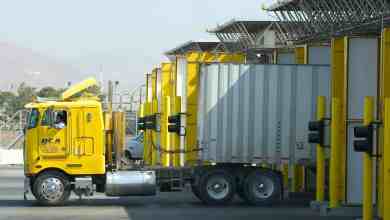
The supply chain has become a pawn in the battle over immigration, and freight businesses are the ones who will be hurt.

Tariffs starting June 10 at 5 percent to escalate to 25 percent by October 1.

If a trade war pares GDP growth, OPEC cuts may be extended, weighing tanker rates.

Manufacturers’ new orders for durable goods declined in April, and details suggest more trouble ahead for freight demand in the economy
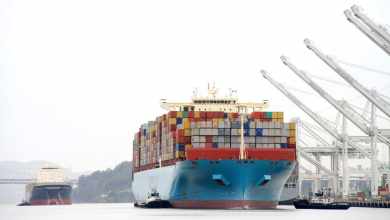
Improved vessel utilisation is the key to maintaining profitability in what is expected to be a challenging market according to Soren Skou, Chief Executive Officer of Maersk (Nasdaq OMX: MAER). The company has maintained a tight rein on capital expenditure over the past year with no large terminal projects or costly new ships ordered and […]

FreightWaves CEO Craig Fuller says he hopes he is wrong, but data is showing the freight market is heading into a recession. Who will feel the impact and the facts and figures surrounding Fuller’s prediction.

Volumes took a nosedive after the tariffs increased and are starting to recover slightly, but the damage may already be done.

Today on FreightWaves Now, we are seeing crazy times with volatility. It’s still snowing in the Sierras and storming in the midwest. Volumes have fallen off a cliff right when we should expect them to climb, and is any activity happening with freight pulling forward ahead of the tariffs?
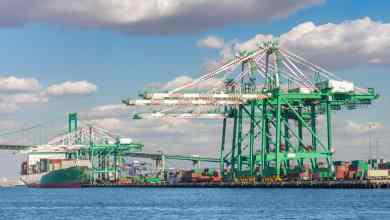
The trade war between China and the U.S. is having a noticeable impact on freight markets. Shippers and carriers are struggling to adapt.

Today on FreightWaves Now, we have snow in the Sierras and trouble in the midwest. Ports on both coasts prepare for another pull forward ahead of tariffs as the trade war rhetoric escalates.

Beijing has sworn to institute countermeasures to combat a huge increase in tariffs, from 15 percent to 25 percent, that have been imposed by Washington on $200 billion worth of a wide range of Chinese goods. A set of high-level, last-minute, talks yesterday to postpone or prevent the tariffs failed.

U.S.-China trade tariffs war is heating up; Asian oil importers have not stopped importing oil from Iran; Uber has a staunch rival in Ola across the Indian market.
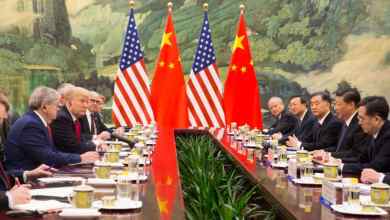
White House makes sudden u-turn on tariff truce, upsetting calm in financial markets. President Donald Trump ended the spring truce in the U.S.-China trade war this weekend, with threat to go forward with higher tariffs on $200 billion of Chinese imports. He also upped the ante with a promise to add tariffs on another $325 […]
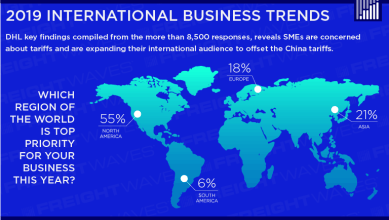
The following findings were compiled by DHL from more than 8,500 responses.
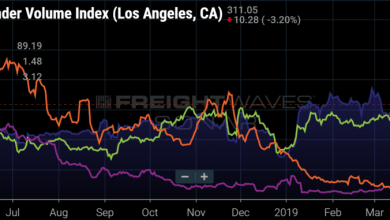
The inbound container flows had a big impact to freight volumes in the port cities of Savannah and Los Angeles this past year.
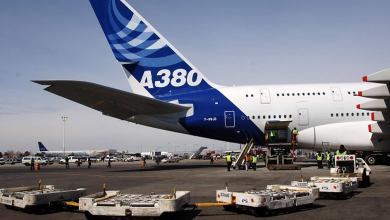
The U.S. is proposing $11 billion in tariffs on European Union goods because of allegations that Airbus received that amount of subsidies when it launched the Airbus 380, thereby harming U.S. interests. Read Jesse Cohen’s explanation of the articles proposed for tariffs and what the tariffs might do to the air cargo and maritime industries.
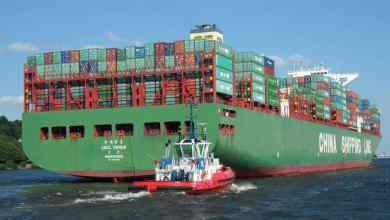
Talks between the U.S. and China have made significant progress over the last several weeks, and the two sides appear to be closer to a deal than at any time over the past several months. However, while the restoration of positive trade relations will help the trade outlook, other factors are likely to keep trade growth subdued going forward.

Political tensions in the Washington-Beijing bilateral relationship are making the China-based U.S. business community uneasy. Tariffs are being blamed for driving business confidence down, decreasing investment and for re-routing Asia-Pacific supply chains.