





Bring Back the Real CDL Training – Revisiting the Smith System in a World of Corners Cut
When I first stepped into CDL school more than two decades ago, there was one thing that stuck with me—not just for the test, not just for the road exam—but something that still rides with me every single mile: the Smith System. They didn’t just teach it. They drilled it. Burned it into our brains […]

The Real Cost of Idling – When It Saves You Money and When It Burns Your Bottom Line
For small fleets and owner-operators running on thin margins, idling is one of those hidden costs that can sneak up and eat thousands off your bottom line. But here’s the truth: not all idling is bad. Sometimes it protects your engine, your driver, and even your revenue. The key is knowing when idling makes sense […]

This Device in Your Cab May Save You From a Tow
Every time that check engine light comes on, you’re left guessing — but with one small device in your cab, you could skip the tow, avoid the shop, and handle regens on your own terms.

Fuel Costs Up, Rates Inching, and Reefers Still Showing Promise – What to Watch This Week
Rates are holding steady for now, fuel prices are climbing, and reefer carriers are still outperforming the rest — but without a real uptick in volumes or inbound freight, small carriers are walking a fine line between survival and pressure this October.

ICE Crackdowns May Quietly Be Reshaping The Freight Market
While headlines focus on arrests, the real story is playing out on the road. Drivers are quietly avoiding entire regions, brokers are scrambling to cover freight, and rates are climbing as fear starts rewriting the trucking map.
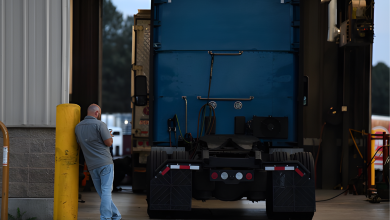
Diesel Tech Shortage Hits Small Fleets Hard–What ATRI’s Research Means For You
Walk into any diesel shop today and you’ll see it plain as day — bays full of trucks, fewer techs on the floor, and longer wait times that stretch into weeks instead of days. For a small carrier, that’s not just an inconvenience, that’s revenue bleeding out while your truck sits idle.

Growth Minded – Inside Amazon RelayCon 2025 and the Small Carrier Surge
Over 8 out of 10 attendees walked into Amazon RelayCon 2025 looking to grow — not survive — and the event made one thing clear: for the right type of small carrier, Relay is a business model worth studying.

How Small Carriers Can Break Out of the Load Board Cycle With Five Key Differentiator
Every small carrier says they’re “reliable.” Every one says they’re “family-owned.” And all of them promise they “treat customers like partners.” Those slogans look good on a website, but the truth is they don’t move the needle when you’re one of nearly 580,000 active U.S. carriers — and more than 91% of them run 10 […]
The Monthly Manufacturing Numbers Are In – What a 49.1 PMI Means for Small Carriers in the Months Ahead
PMI just posted a 49.1 — and while that might not mean much to most, for small carriers, it’s a crystal ball into freight demand, margin pressure, and the moves you need to make now to stay profitable.
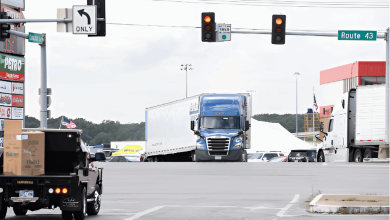
The Hidden Cost of Running Cheap Freight – It’s More Than Just the Rate Per Mile
Every small carrier has been there — staring at a weak load board, wondering if hauling a $1.35-a-mile load is better than running empty. On paper it looks like “something is better than nothing.” But the real cost of cheap freight goes far beyond the numbers you see in the rate confirmation.
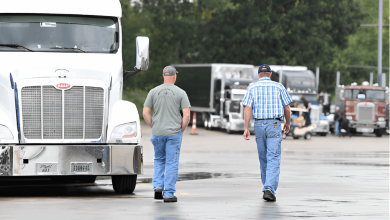
Freight Seasons Explained – Planning Around Produce, Retail, and Construction Cycles
Trucking isn’t a flat line — it’s a rollercoaster of peaks, valleys, and regional swings driven by what people eat, buy, and build. If you don’t plan for freight seasons, they’ll plan for you — and usually the result is a thin wallet.
Deadhead Decisions – When It’s Smarter to Run Empty Than Chase a Low-Paying Load
Every owner-operator faces that moment of truth: take the cheap freight in front of you, or burn diesel running empty to the next market. The wrong choice can eat your margin. The right one can save your week. Here’s how to know the difference.
Creating Driver Bench Strength – Recruiting and Training Before You Actually Need Them
Many small fleets don’t think about their next driver until the seat is already empty. By then it’s too late — you’re scrambling, trucks are parked, and revenue is bleeding. Building bench strength isn’t a luxury, it’s survival.
The Real Maintenance Cost of Running Heavy – How Overloading Beats Up Your Suspension, Brakes, and Cooling System
Consistently heavy freight doesn’t just risk a DOT ticket — it slowly eats away at your truck’s suspension, brakes, and cooling system until potentially one day you’re sidelined with a repair bill.
Trailer Roof and Floor Inspections – How Small Leaks Turn Into Cargo Claims and Lost Shipper Trust
Your trailer doesn’t have to blow a tire or drop a landing gear to ruin your week — sometimes it’s as simple as a drip from the roof or a weak wall panel that lets in water. Those small oversights are what turn profitable freight into expensive claims and can cost you the shipper’s trust for good.
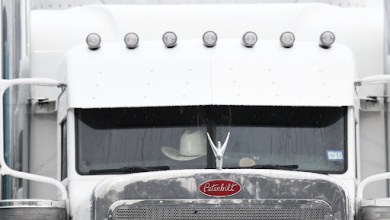
HOS Changes Coming? One Way It Can Impact Small Carriers’ Profitability
With the DOT floating new flexible Hours of Service (HOS) pilot programs, owner-operators could stand to earn more per mile — or lose ground fast if the changes don’t match their operations. Here’s what to look at.
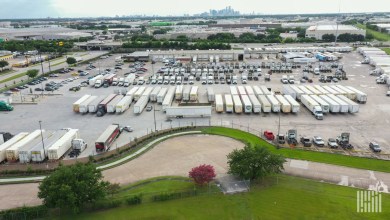
Planning Your Week by Freight Zones, Not Just Load Boards
If your entire week is shaped by whatever pops up on the load board that morning, you’re not running a plan—you’re reacting. That approach is what keeps carriers in the cycle of inconsistent weeks, poor reloads, and missed opportunities. The top-performing small fleets don’t operate like that. They plan based on zones, not just lanes. […]

How to Train Your Admin to Handle Rate Cons, PODs, and Invoicing
Rate confirmations, PODs, and invoicing aren’t clerical work—they’re operational control points. When you mishandle one of these, the entire cash cycle stutters. You risk not only delayed payments but also strained broker relationships and gaps in load documentation that can affect future opportunities. Brokers are moving faster than ever in 2025. If they see you […]

Dispatch Handoffs That Don’t Drop the Ball
When dispatch handoffs get sloppy, mistakes multiply and money slips through the cracks. Drivers get left in the dark, loads fall through the cracks, and your business starts to bleed in places you can’t afford. Whether you’re running two trucks or twenty, this article will show you how to build a clean, repeatable dispatch handoff […]
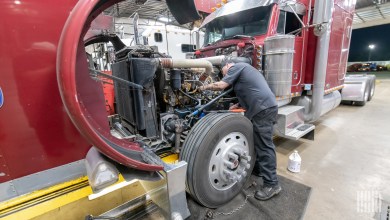
How to Build a Bulletproof Safety Binder from Day One
If you’re operating trucks without a complete, organized, and regularly updated safety binder, you’re playing a dangerous game — one that ends with audits, violations, or worse, lawsuits. Too many new carriers treat compliance like an afterthought. They get their DOT number, get insurance, start moving freight, and figure they’ll “clean it up later.” That’s […]