





Ocean freight rates steady despite Baltimore bridge collapse
Xeneta data reveals that ocean spot rates have not reacted significantly to the Baltimore bridge collapse, despite the disruption to supply chains on the East Coast.
Xeneta data reveals that ocean spot rates have not reacted significantly to the Baltimore bridge collapse, despite the disruption to supply chains on the East Coast.
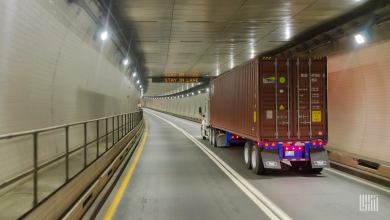
The first data paints a mixed picture of how trucks and ships are diverting away from Baltimore in the wake of the Key Bridge collapse.
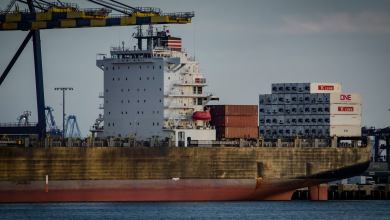
Ship recycling has fallen to its lowest level in 20 years, per a recent report by the Baltic and International Maritime Council.

Federal regulators are bracing for a surge in container late fee complaints as ocean carriers and shippers process alternate routing options following the collapse of the Francis Scott Key Bridge.

A key ocean container spot rate benchmark dropped nearly 18% this week.
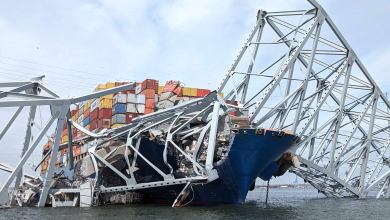
Grace Ocean and Synergy Marine, the companies that own and manage the cargo ship that brought down the Francis Scott Key Bridge, want a federal court to limit their liability in the deadly disaster.
New technology and processes in supply chains have helped make the industry more resilient — but not enough to withstand every possible disruption.
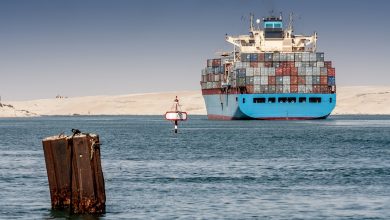
If China and Russia find the Houthi problem in the Red Sea as intractable as the U.S. and its allies have, it would all but halt what little maritime traffic remains in the region.
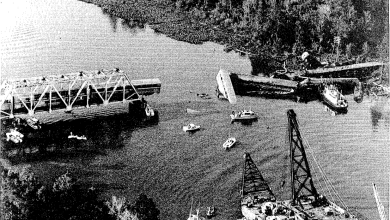
The Francis Scott Key Bridge collapse in Baltimore wasn’t the first time a bridge crumbled after being struck by a ship or boat.

Ports in New Orleans and Corpus Christi, Texas, recorded year-over-year increases in cargo volumes in February.
An unusually warm and dry winter might herald drought conditions in key areas of the Mississippi River Basin over the coming months.
The MV Dali container ship that caused the collapse of the Francis Scott Key Bridge in Baltimore was involved in a collision in 2016.

Divers recovered the bodies of two men who died when the Francis Scott Key Bridge collapsed early Tuesday morning after a cargo ship crashed into it.
The Port of Baltimore’s indefinite closure could cost the state of Maryland as much as $1 billion in total value of goods and services, analysts say.
“The whole bridge just fell down!” an officer said on an emergency call as authorities raced to close the Francis Scott Key Bridge just before it was struck by a container ship.
The collapse of Baltimore’s Francis Scott Key Bridge could significantly disrupt supply chains as shippers and carriers scramble to relocate shipping services to other East Coast ports.
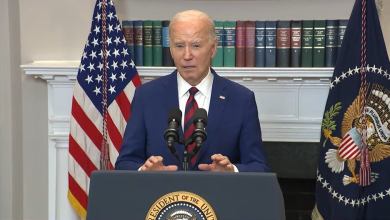
President Joe Biden said he’s not waiting on foreign ship companies before getting the Port of Baltimore up and running.
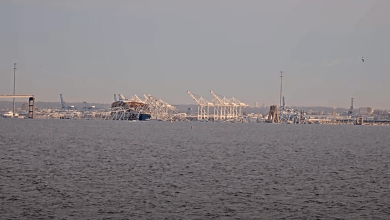
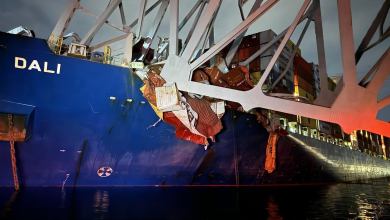
Around 1:30 a.m. Tuesday, the Dali, a Singapore-flagged ship, smashed into the bridge.
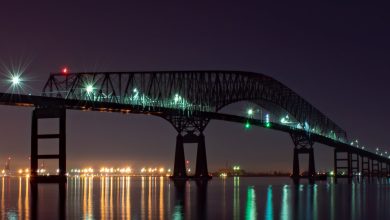
Early Tuesday, a container ship collision with the Francis Scott Key Bridge in Baltimore caused a major collapse, leading to a halt in port operations and creating severe traffic disruptions.