Trans-Pacific container rates out of Asia are expected to continue their recent strengthening as shippers fuel demand ahead of the Lunar New Year holidays.
“Ocean rates on the major east-west lanes trended up to close the year,” said Freightos analyst Judah Levine, in a note. “Asia-Europe prices increased 1% last week to $2,742 per forty foot equivalent unit (FEU) but are 12% higher than mid-month and are up to levels last seen at the tail end of peak season.”
Freightos (NASDAQ: CRGO) data showed Asia-Mediterranean rates climbed 4% to reach the $4,000 per FEU mark for the first time since early July, with prices 20% higher than during the first half of the month.
Current rate levels are backed by an early start to pre-Lunar New Year demand on these lanes as Red Sea diversions force shippers to shoulder longer lead times. Prices are likely to stay elevated or continue climbing closer to the holiday, when Chinese factories shut down for several weeks.
While major container carriers recently tested a return of mega-vessels to the Red Sea-Suez Canal route, an array of factors continues to augur against a rapid return.
From a business standpoint, carriers are wrestling with falling profits amid longer voyages and high operating costs, as well as the prospect of as much as 2 million TEUs’ capacity that would re-enter the market on a full Red Sea return, potentially undermining rates.
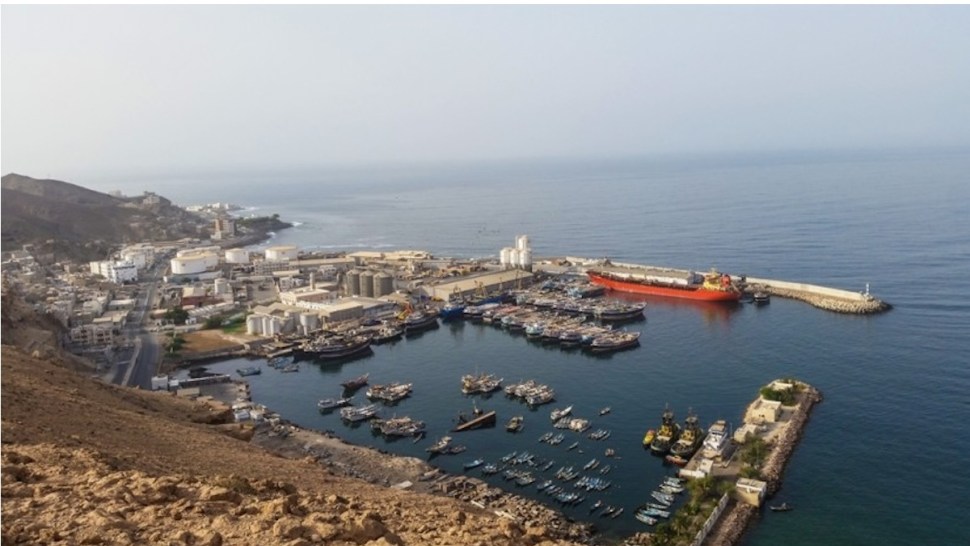
The route remains under the threat of Yemen-based Houthi terrorists. The militia ceased its attacks on Israel-linked shipping after the Gaza ceasefire, but have said they are watching events there closely. Safety concerns were further elevated Dec. 30 when Saudi Arabia bombed Yemen’s Port of Mukalla on the Gulf of Aden over a weapons shipment from the United Arab Emirates to the Houthis.
There are larger concerns over destabilization in the region as protests in Iran threaten to topple the ruling Islamic government.
On the benchmark Asia-U.S. trade lanes, “[p]eriodic general rate increases since October have been less successful in keeping rates elevated for very long on trans-Pacific lanes than they’ve been for Asia-Europe trades,” Levine said.
Since mid-December price hikes have pushed West Coast rates up 9% to $2,145 per FEU and raised prices to the East Coast 15% to $3,364 per FEU.
Growing pre-Lunar New Year demand is certain to put upward pressure on rates, as when prices increased at the start of 2024 and 2025.
“The holiday begins later than usual – Feb. 17 – which could mean another rate slide in the near term before demand increases. But if volumes do start to rise to start the new year, rate levels should keep climbing, too.”
Global container volumes grew 4% through early Q4 despite a decline in ocean imports amid the U.S. trade war and an overall contraction in trans-Pacific ocean imports. Growth was backed by China’s efforts to diversify trade to Europe, Africa and Latin America.
In 2026, S&P is projecting U.S. ocean imports to again drop, by 2%, “making 2025-2026 – after the 2008-2009 financial crisis years and the 2022-2023 unwind from the pandemic – the third instance of consecutive years of U.S. container import contraction over the last two decades,” said Levine.
Find more articles by Stuart Chirls here.
Related coverage:
EXCLUSIVE: Maduro left Venezuela’s biggest container port “in shambles”
North Carolina port importer expanding cement capacity by 500%
Brokerage Compliance Symposium
The day before F3. Every compliance issue you face - fraud exposure, carrier liability, FMCSA rules, cargo theft, insurance gaps - navigated by attorneys and operators defining best practices in a changing industry.
F3 Awards Dinner
The night before F3. FreightTech100 companies honored. FreightTech 25 and Shipper of Choice winners revealed live. Cocktail reception into dinner and live music - 300 industry leaders in one purpose-built room.
F3: Future of Freight Festival
Industry-defining keynotes, rapid-fire technology demos, and industry leaders networking in experiences across Chattanooga - plus the inaugural F3 Awards Dinner featuring the FreightTech and Shipper of Choice reveals.
The day before F3. Every compliance issue you face - fraud exposure, carrier liability, FMCSA rules, cargo theft, insurance gaps - navigated by attorneys and operators defining best practices in a changing industry.
The Signal at Chattanooga Choo Choo • Chattanooga, TN Register NowThe night before F3. FreightTech100 companies honored. FreightTech 25 and Shipper of Choice winners revealed live. Cocktail reception into dinner and live music - 300 industry leaders in one purpose-built room.
The Signal at Chattanooga Choo Choo • Chattanooga, TN Register NowIndustry-defining keynotes, rapid-fire technology demos, and industry leaders networking in experiences across Chattanooga - plus the inaugural F3 Awards Dinner featuring the FreightTech and Shipper of Choice reveals.
The Signal at Chattanooga Choo Choo • Chattanooga, TN Register Now