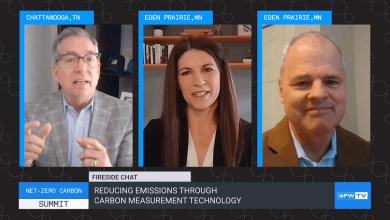
NZCS chat recap: Using carbon measurement tech to reduce emissions
You can’t reduce carbon emissions without measuring them first. C.H. Robinson experts discuss the company’s carbon measurement technology.

Onfleet announced a carbon offset program that will see it partner with its customers to contribute $8 per metric ton of carbon dioxide generated through delivery operations to reforestation and old forest protection programs.
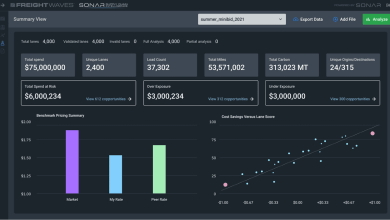
FreightWaves introduces FreightWaves Carbon Intelligence. Learn more here!
E-commerce fulfillment company ShipBob has partnered with data-driven carbon marketplace Pachama to offer brands a carbon-neutral shipping option.
Clean Energy Fuels will provide the renewable natural gas. Amazon could end up owning part of the company.
Delivery and fulfillment platform Bringg has introduced BringgGreen Sustainability Tech Practice, a suite of tools to help retailers reduce their carbon footprint through more sustainable last-mile delivery practices.
The Salesforce Sustainability Cloud on Tuesday added a scope 3 emissions hub that allows companies to track upstream emissions from business travel, purchased goods and employee commutes.
Transportation is the third-largest global contributor to greenhouse gas (GHG) emissions. Here’s an overview of the impact of the sector’s carbon footprint.
C.H. Robinson on Thursday debuted its Emissions IQ self-serve tool for tracking carbon emissions from transportation.
Having proved it could achieve 100% offsetting of CO2 emissions from Expedited Max in 2020, DHL eCommerce Solutions is officially declaring its service with the highest carbon footprint as carbon-neutral moving forward.
Increased use of micro-fulfillment centers and more efficient vehicles and routing can reduce carbon emissions by 25% in urban environments, according to Accenture.
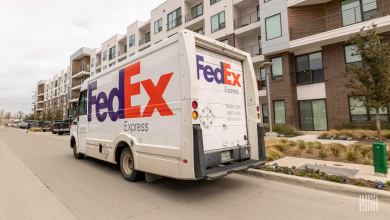
FedEx Corp. unveiled plans to reach carbon neutrality across its global delivery network by 2040 with a fully electrified surface transport fleet.
Reload, Vorto’s new autonomous platform, could save companies more than $400 million per year while increasing sustainability.
Schneider’s corporate sustainability goals include plans to reduce per-mile carbon emissions 60% by 2035 and focus on fleet electrification.
The company sets ambitious fleet electrification goals and establishes a center at Yale University to research climate-capture techniques.
Susy Schöneberg, the founder and head of Flexport.org, discussed monetary and time-saving benefits of sustainable operations as well as customer loyalty.
Certified B Corporation Flock Freight raises the bar with a commitment to offset carbon emissions from FlockDirect shipments for customers.
Using domestic reloads and street turns are among Blume Global’s strategies to reduce empty miles and emissions.
To read the full article, click here.
AFVs (alternative fuel vehicles) are on the rise. Here’s a look at trending alternative fuel options.