Lufthansa Cargo introduces environmental surcharge to meet SAF quotas
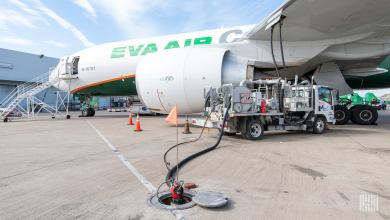
Lufthansa Cargo is the first airline to apply a surcharge on shippers to help cover the cost of blending expensive alternative fuel with fossil fuel-based jet fuel.
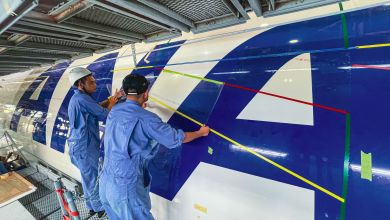
Three freighter operators are among the early adopters of an innovative aircraft coating inspired by sharks that makes aircraft more aerodynamic and fuel-efficient.
Based on Flock Freight’s findings, partially empty truckloads added up to the equivalent of one in four trucks moving completely empty last year.
To view more FreightWaves infographics, click here
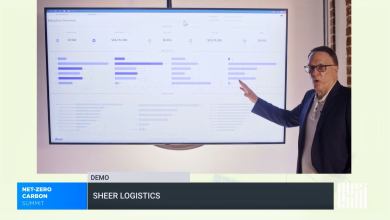
Sheer Logistics showed off the capabilities of its carbon emissions dashboards during FreightWaves’ Net-Zero Carbon Summit on Thursday.
To view more FreightWaves infographics, click here
Inside this edition: It’s never too late to adopt sustainable choices; head on to the blue markets; and the battle rages on for TravelCenters of America.
FreightWaves’ Mary O’Connell and Leaf Logistics CEO and co-founder Anshu Prasad sit down to talk about carrier compliance and the role technology plays.
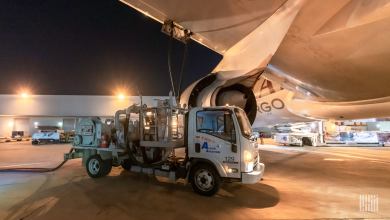
Airlines are pushing governments and energy producers for more sustainable fuels. And the cargo sector is helping create more market demand for them.
Boeing CEO David Calhoun is outspoken about how governments are making environmental and economic policy.
Logistics real estate company Link Logistics is investing in carbon offsetting for its operational emissions.
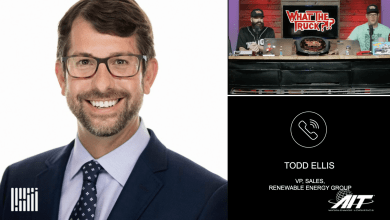
Todd Ellis dives into REG’s line of EnDura Fuels and quantifies its carbon reduction impact.
A recent report shows how far the transportation industry remains from the net-zero goal.
Last week, the U.S. Supreme Court issued a ruling that limits the Environmental Protection Agency’s ability to enforce regulations that aimed at reducing carbon emissions from power plants.
NextEra Energy plans to eliminate greenhouse gas emissions by 2045, saying it can do so without using offsets through renewable hydrogen.
FreightWaves’ Net-Zero Carbon show dives into regenerative agriculture and how farming techniques can sequester carbon and improve soil health.
AskWaves explains carbon insets, how they may benefit companies and what limits they may have.
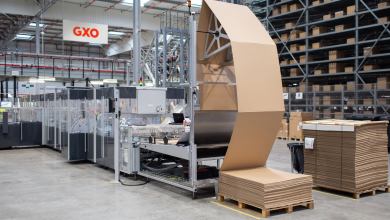
Increasing use of automation is helping GXO Logistics reduce the carbon footprint of its facilities and customer supply chains.
Experts believe the FHA pledge amount is far below the total funds needed.
Locomation’s Cetin Mericli discusses how autonomous transport will provide emissions reductions and time savings for long-haul trucking.