





Winter heat wave still scorching Southern California
Potential record highs continue Super Bowl weekend from Los Angeles, the host city, to San Diego (video forecast included).
Potential record highs continue Super Bowl weekend from Los Angeles, the host city, to San Diego (video forecast included).
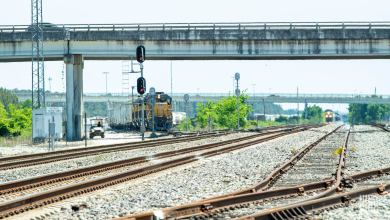
California Gov. Gavin Newsom says the state plans to lend policing and prosecution support to Union Pacific and other victims of cargo theft.
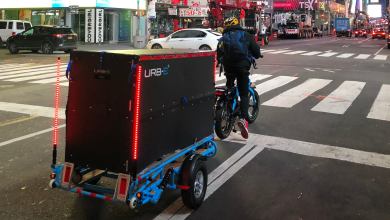
Electric cargo bike delivery provider Urb-E is expanding to Los Angeles as the first city in an expansion of its service in 2022.
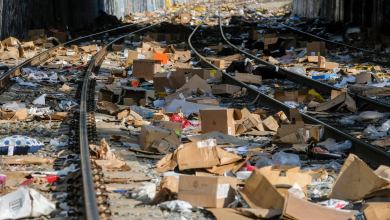
The railroad wants stricter penalties for those caught stealing from trains.

In addition to 40 waiting close to shore, another 56 farther out
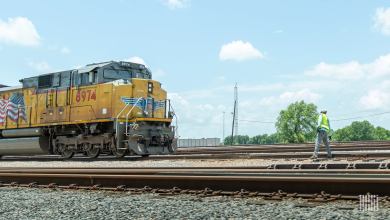
To make room for more containers at the ports of Los Angeles and Long Beach, UP and BNSF are offering incentives to ocean carrier customers to move out the containers already there. UP is also temporarily pausing westbound marine container movement to its Long Beach facility.
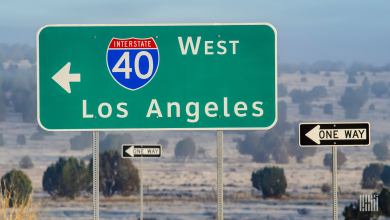
While shortages are being blamed for the bulk of the capacity shortages in transportation, the balance of the movement of goods has become incredibly lopsided.
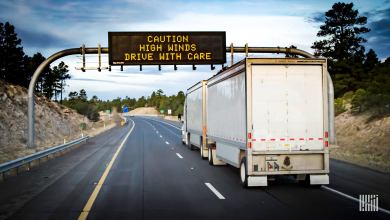
Truckers face an elevated risk of rollovers as weekend winds increase in the Los Angeles metropolitan area.
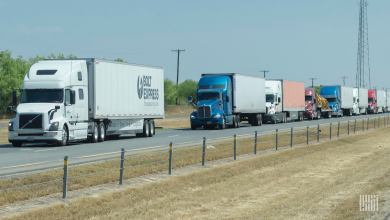
Carriers are rejecting a disproportionate amount of long-haul freight heading east versus west. Does this dramatic imbalance have long-term implications?
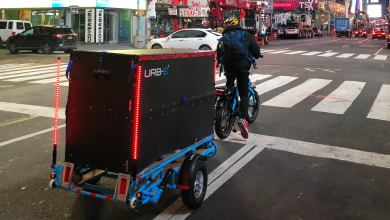
Last-mile delivery firm AxleHire has tapped URB-E and Tortoise for nationwide pilots of zero-emission delivery programs.
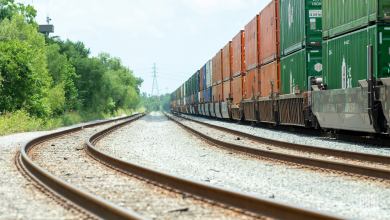
U.S. rail terminals that handle imports are still grappling with chassis shortages, although efforts are being made to address overflow at the terminals.
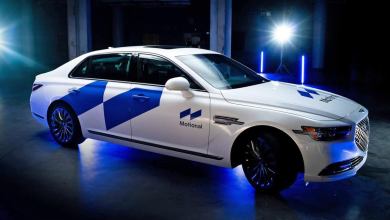
Motional is expanding its testing grounds to Los Angeles and adding a new facility in the Bay Area.
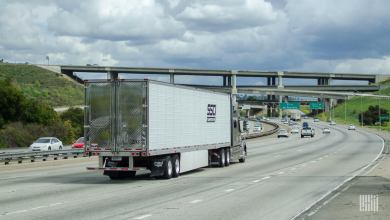
Capacity is retightening in California as demand surges once again. There are new patterns emerging that may lead to a battle for capacity between the two coasts.
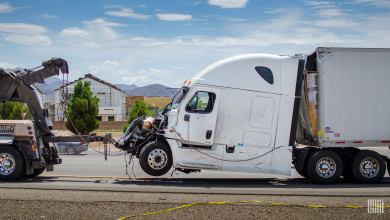
Based on fatal crash data, these are the five highway stretches where truckers should be the most careful.
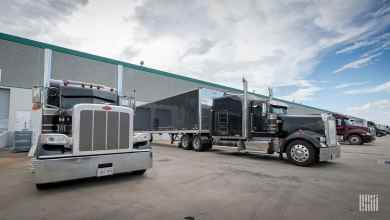
Andrus was able to reduce its dwell time to 30 minutes, 1.38 hours less than the market average and 1.6 hours less than the average national wait time.

On this St. Patrick’s Day, truckers tell FreightWaves which cloverleaf interchanges bring them the worst luck.
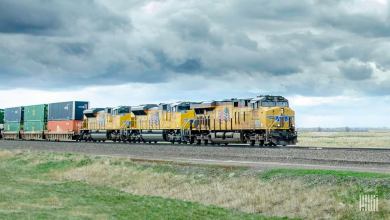
Two FreightWaves SONAR charts illustrate Union Pacific’s views of the West Coast intermodal spot market.
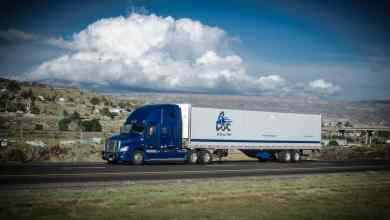
Freight volumes have exploded out of southern California over the past two years. Is this pattern sustainable?
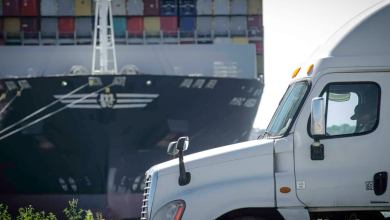
Trucking and rail volumes remain elevated while the imports fade. Is this is beginning of the end of the 2020 freight boom?

International import bookings signal continued strength in the domestic freight market.