Midwest and West Coast rejection rates showing unprecedented disparity
Midwest rejections are outpacing the West Coast by a factor of 4. What could be driving this huge disparity?

Truckload rates have increased on a main transcontinental artery, showing that the value of truckload service has grown even though there is less demand for it.
BNSF is eyeing intra-Texas drayers with expedited intermodal services connecting Los Angeles and Houston.
Hotlanta’s tender rejections peaked at 11.2%.
Two men were arrested on suspicion of being part of a criminal enterprise to steal, move and sell stolen cargo in the Los Angeles area valued at over $3.9 million.
The country’s most reliable source of freight is slowing down.
Chicago and Dallas tender rejections still exceed 7%.
Warp and Talon Logistics ask the industry to help support the LA area with relief efforts.
Intermodal volumes are robust, even past peak retail season. What does it mean for 2025?
To view more FreightWaves infographics, click here
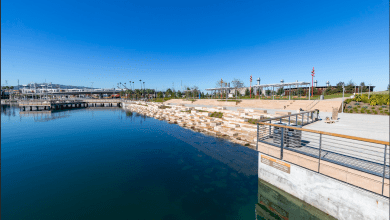
The Port of Los Angeles recently opened a promenade, giving nearby Wilmington residents unprecedented access to the waterfront.
Cross-Dock Terminal in Los Angeles
Consumers are buying food instead of “stuff.”
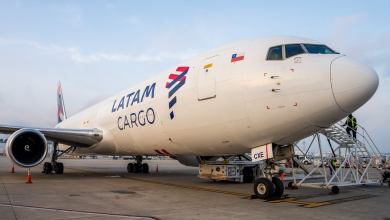
Latam Airlines’ cargo division is diversifying routes for flower exporters with a new destination in Los Angeles.
Outbound truckload tender volumes spiked this week out of Southern California, while intermodal volumes dipped due to a brief embargo. Could this be a result of shippers preparing for a potential strike?
Less than 6% of all truckload shipments in the U.S. are currently being rejected.
Japanese shipping firm Ocean Network Express has filed a lawsuit against Union Pacific because a shipment of solar panels was stolen in transit.
The ports of Los Angeles and Long Beach began charging diesel-powered drayage trucks $10 per unit entering and leaving the ports
Truckers face potential early season triple-digit heat the next few days in parts of Southern California (video forecast included).
Carriers are pricing themselves into the markets with the highest rates, which is further fueling the capacity shortage.