






Tenstreet puts drivers in control of their own data
As technology catered to the transportation industry continues to evolve, players across the industry are becoming more aware of the importance of data security and transparency.

Technology offers serious relationship-building benefits
Even in a loose market, technological solutions aimed at optimizing freight movements remain useful.
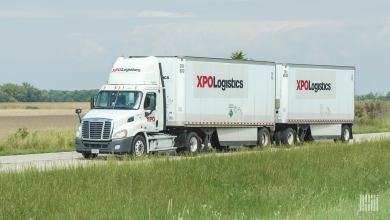
XPO enhances LTL visibility with piece-level tracking
Piece-level tracking gives XPO employees and customers real-time visibility for tracking LTL shipments.

Comprehensive safety management can drive down insurance costs
Nuclear verdicts do not just impact the defendants; they drive insurance rates up for companies across the industry, as well as the motoring public.

Action on EV charging infrastructure needed for electric future
As fleet operators begin to incorporate electric trucks into their fleets, they are turning their attention to two areas: regulations and infrastructure.
Predictive maintenance provides pathway to cost savings in challenging market
In today’s market, it is less about whether a carrier can afford to implement predictive maintenance and more about whether they can afford not to.
Axle Logistics recognized for employee satisfaction, standout culture
Over the past several years, “culture” has become something of a buzzword in the corporate world. Despite this trending vernacular, the things that make up a company’s culture – energy, diversity and values – are the same things that determine whether or not people want to work there.
How small, midsize carriers can protect their businesses as market shifts
Shippers have already begun negotiating lower contract rates, and carriers should prepare for this trend to continue. This will prove especially important for small and mid-size carriers who often do not have the profit margins to weather a storm.

Technology will prove crucial during market downturn
Solutions like route optimization and real-time visibility are beneficial regardless of what is happening in the market, but these money-saving tools can prove crucial during times of tighter margins.

API integrations offer pathway to compete in connected market
As more solutions enter the market and companies’ technological suites have become more sophisticated, integrations have gone from nice-to-have perks to need-to-have requirements for many shippers.

Axle Logistics partners with university to foster sales leaders of tomorrow
Axle Logistics has partnered with the University of Tennessee’s Haslam College of Business to turn out more well-trained, entry-level sales professionals.
Zero trust security creates a safer supply chain for all
With security breaches on the rise, companies across the industry realize that their current strategies are not doing enough to safeguard their systems, files and data.
New RFP landscape: Building strong contracts in 2022
When pandemic-fueled headwinds pushed historic amounts of freight into the spot market, many shippers found themselves running an unmanageable amount of seasonal bids to compensate for annual contract failures.
Redwood hiring for FreightTech roles across departments
Redwood is focused on bringing together a number of strong solutions that already exist. The open supply-chain ecosystem enabled by RedwoodConnect operates more like an app store than a single application, facilitating the ability to integrate a variety of solutions.

Locomation takes next step in deploying autonomous trucking technology nationwide
The company marked its progress by submitting its Voluntary Safety Self-Assessment to the U.S. Department of Transportation for public disclosure on how Locomation is addressing safety and its readiness for public road testing.

Shorter RFPs gain ground as market softens
Shorter RFP cycles allow shippers to take advantage of market shifts in the short term, enabling them to maintain rates that are as close to real-time market offerings as possible.

Summer holiday surge provides perfect use case for shorter RFPs
This year, American consumers are expected to spend $7.7 billion – a number that has climbed over $1 billion since 2019 – on food items leading up to the July 4 holiday.
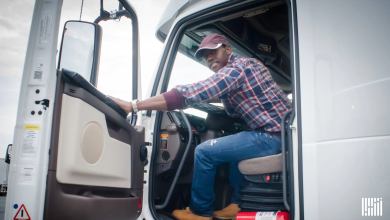
Communication methods key to successful driver recruitment
Changing how recruiters communicate with drivers from the very beginning is one of the simplest and most effective ways to tackle driver hiring issues.
ComFreight offers accessible factoring options for new, small brokers
Traditional loans or recourse factoring are not the only ways to get carriers paid and build up credit. ComFreight has set out to help brokers grow and solve the problem of contract-heavy, high-stress traditional financing with HaulPay.

Companies must see drivers as human beings, not commodities
Port X aims to create an environment where drivers feel like part of the greater team, not sequestered from it.
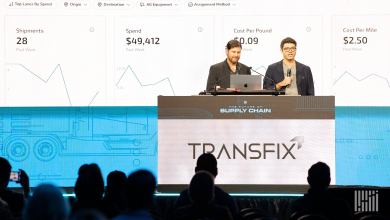
Transfix rolls out beta program for next-gen sourcing optimization tool to solve RFP woes
Shippers are beginning to realize that their tried and true RFP methods will no longer keep them competitive in a changing market, pushing them to consider new, data-driven options.

Dedicated fleets draw attention as market shifts in favor of shippers
As the industry continues to grapple with the aftermath of the coronavirus pandemic, dedicated options seem to be making their way back into the spotlight.
Weathering rising fuel costs requires team effort between shippers, carriers
Rising fuel costs have affected every link in the supply chain across all modes of transportation.
Shippers may want to think twice before taking advantage of rock bottom rates
Bid rates have all but bottomed out, and many shippers are jumping at the chance to save some money. Some industry experts, however, are urging shippers to proceed with caution.
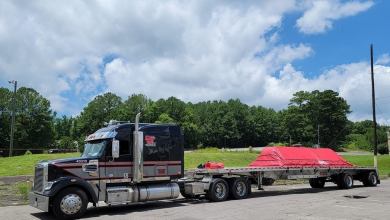
Market turn inspires owner-operators to partner up with larger fleets
Joining larger fleets as independent contractors could provide drivers with the support they need to weather volume changes and rate decreases while simultaneously coping with rising fuel and operational costs.
Transportation spend management proves critical in volatile market
Right now, every dollar matters, and it is important for companies to up their game when it comes to transportation spend management.
Tenstreet unveils new powerful features, focused acquisitions
The transportation and logistics industry is full of revolutionaries, innovating on everything from load matching to driver wellness. Tenstreet has made a name for itself in the recruiting and retention space.

Digital freight matching offers benefits in soft market
The benefits of hands-off load matching do not end when the market takes a turn.
Digital freight matching helps brokers navigate tough markets
A technological revolution and a pandemic-fueled capacity crunch came together to push digital freight matching into the spotlight over the past few years.
Data-driven decision making creates change in supply chain
Partnering with the right carriers can be a complex decision, and making the wrong choice can easily threaten a shipper’s bottom line.

Next-gen visibility aids in operations, sustainability
The need for streamlined supply chains has never been more pivotal, but many current technologies were not designed to cope with the level of uncertainty companies are facing in 2022.
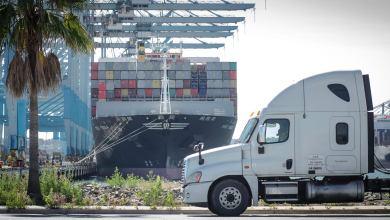
Drayage can no longer be considered an afterthought
While drayage has faced demand surges, they have often been the relatively short-lived consequences of labor strikes or steamship company shutdowns. The impact of the pandemic has been much greater, and it is here to stay.

Flexibility enables shippers to compete, remain relevant in volatile market
Agility is more important than ever, as pandemic-related headwinds continue to play out and new technologies strengthen competing companies by offering increased flexibility.

Freedom is the name of the game for independent agents
Working as an independent commissioned agent gives folks a level of control over both their business operations and their day-to-day schedules that is impossible to come by in a more traditional setting.
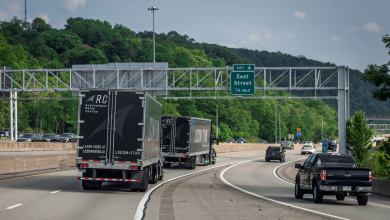
Locomation poised to start rolling out autonomous trucking technology at scale in 2023
Locomation expects to be the first company to deploy autonomous trucking technology safely, legally and routinely in commercial operations at scale across the United States, starting next year.

Driving out supply chain inefficiencies key to eliminating food waste
While consumers are directly responsible for the majority of food waste, supply chain mishaps cause 40% of food waste in North America. That includes food that spoils in transit.

Robust commercial vehicle training programs help reduce over-the-road incidents
Commercial vehicle crashes often make front page news, but these accidents — and resulting injuries and fatalities — are actually on the decline.

XPO takes layered approach to supply chain sustainability
Companies across the logistics industry will need to start considering their carbon footprint as new regulations come down and consumers start voting with their dollars.

Driver turnover driven by different factors depending on tenure, gender
Retention efforts across the industry tend to focus primarily on pay. While pay is certainly an important factor in retaining quality drivers, simply issuing raises is not the answer to the driver turnover issue that plagues the industry.

Illuminating hidden shipping data crucial to diagnosing supply chain health
Parcel data is incredibly complex. Shippers often don’t know how to begin working with this data because it cannot be properly visualized via traditional methods like Excel spreadsheets.
Identifying how and when to build RFPs all year long
Building the most effective RFPs possible requires self-awareness, attention to detail, industry insights and a willingness to adopt new technologies.

Acuitive Solutions: Focusing core strengths on lesser-served niches
Throughout its successful, 20-year history, Acuitive Solutions has taken the road less traveled by not trying to be all things for all customers.
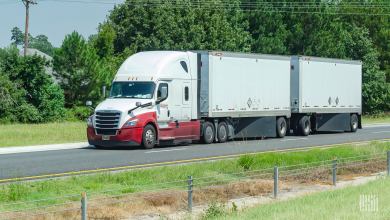
Paper to pixels: Practical strategies for today’s supply chain
Piles of paperwork plague every mode of transportation, and recent shifts in consumer shopping behavior — namely the ongoing e-commerce surge — have only made the problem worse.
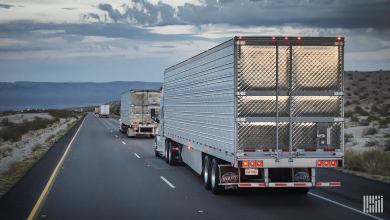
Why shorter bid processes will soon be the norm
Many shippers are now looking to shorten the duration of their bid contracts in order to take advantage of current capacity and avoid being locked into sky-high rates as the market shifts.

Specialized brokers provide leg up in strained flatbed market
By using a flatbed-specialized broker, shippers virtually eliminate the risk of their freight being matched with the wrong truck, causing unnecessary delays and damages.

How supply chain, drayage have evolved through the pandemic
Companies that have historically treated drayage and other inland transportation services as an afterthought will need to shift this mindset in order to survive in the current maritime environment.

Breaking through barriers: Getting electric trucks on the road will require a team effort
While hydrogen fuel cells offer a promising alternative to ozone-threatening diesel engines, creating an electric-friendly infrastructure will require dedication from government regulators, equipment manufacturers and industry players alike.

Zero-emission vehicle regulations on the rise, strong partnerships help fleets get ahead
The current regulatory environment can be opaque and confusing, with each state left to create — or not — its own rules surrounding EVs. So far, six states have adopted a regulatory framework that requires a percentage of each fleet’s trucks to meet the definitions of zero-emission vehicle in the next few years.

Complete onboarding solution already in the palm of drivers’ hands
Tenstreet’s goal is to make processes easier for drivers and carriers alike. In 2022, that means making a driver’s smartphone a one-stop shop for as many tasks as possible.

Digital freight matching offers planet-saving perks
Carriers can become significantly more sustainable by simply focusing on solutions that make their fleets more efficient, reducing miles driven to move each load and cutting down on emissions.
Produce season pushes shippers to reevaluate rates, contracts
As farmers prepare for harvest, shippers should ready themselves for the seasonal rate increases and capacity shortages that accompany fresh fruits and veggies each year.
Doing well and doing good: Sustainability and profitability go hand in hand
Consumers are becoming more aware of both the urgency of climate change and the complexities of the supply chain. Companies should be prepared for consumers to start calculating supply chain sustainability into their purchasing decisions.

Artificial intelligence makes automated document processing a reality
As shippers move to digitize their documents and automate their processes, they should focus on making sure both efficiency and accuracy benchmarks are met. One document processing error can sideline an entire shipment, undermining profitability and customer satisfaction.
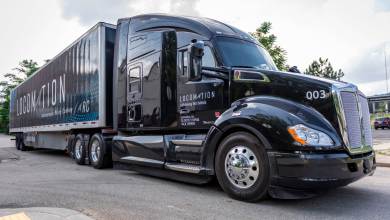
Locomation operating model helps fleets run longer, gain efficiency and increase profitability
While innovation in the autonomous space is moving at breakneck speed, Locomation has devised a way to help trucking companies re-engineer their operating models to begin seeing major efficiency gains even before they deploy autonomous trucks.

Tenstreet takes safety management on the road, saving drivers time and money
Many carriers have turned to technology in order to reduce the risk of serious lawsuits while simultaneously lowering insurance premiums. Digital safety management solutions are on the rise, and these tools can offer carriers the transparency and visibility they need in order to create a safer fleet.

Shippers need granular data to compete in volatile market
In a constrained market environment like the one seen over the past couple of years, shippers are always looking to cut costs and gain more bargaining power. That makes granular insights more important than ever.

Beyond the facade: Sleek interfaces fall flat without strong back-end products
As the industry continues to move away from clunky legacy solutions, more companies are choosing solutions based on user interface. While an intuitive interface is important, this can sometimes come at the expense of a strong back-end product.

Cloud computing helps transportation industry get flexible, evolve to meet shifting consumer demands
Cloud-based solutions – think Uber and Airbnb – have quickly overtaken their more traditional competitors in other industries. In time, a similar trend will likely be observed in transportation and logistics.

Shippers should embrace technology to survive continued capacity crunch
As parcel demand has skyrocketed, shippers have obviously been faced with serious capacity issues.
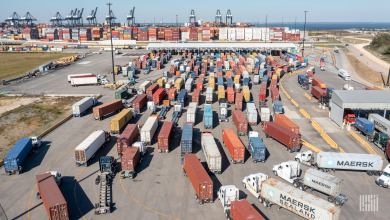
Acuitive helps global shippers get freight bills right before they pay
Companies rely on a wide variety of partners to handle their invoice auditing, including brokers and third-party freight pay companies. This approach can be risky, as these folks are not typically invoice audit experts, increasing the chance that inconsistencies and other issues will slip through the cracks.
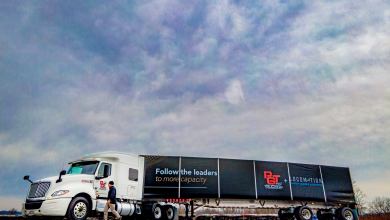
Tech providers, regulators must team up to create autonomous future
Autonomous trucks have garnered a significant amount of attention during this transition thanks to their impressive environmental benefits and inherent ability to solve a variety of industry ills. While technological efforts to get these vehicles on the road have progressed quickly, regulations surrounding their use have been slower to follow.
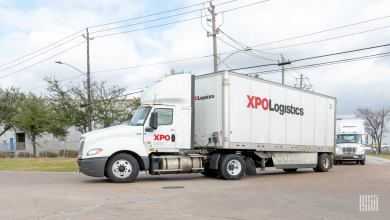
XPO expands to meet growing LTL demand
This swift rise in online shoppers has stressed an already-taxed industry, increasing the demands on less-than-truckload (LTL) carriers significantly.

Advanced technologies help industry navigate severe weather conditions
Weather disruptions have always been common across the supply chain. With climate change-induced severe weather conditions on the rise, logistics companies should expect – and plan for – even more challenging conditions in the future.

Contract rates: What kind of RFP makes sense in 2022
In order to take advantage of different RFP options, shippers must have access to the data they need to determine which lanes need to be repriced and when. Success requires coupling decision-making with efficient technology.
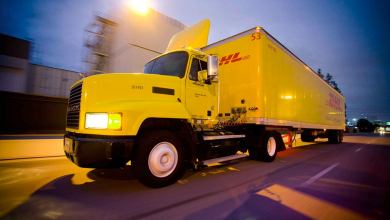
DHL Supply Chain leading the way as autonomous trucking moves from fantasy to reality
It is important to recognize that the introduction of autonomous vehicles is not the beginning of the end for drivers.
Opportunities abound for freight agents in tight labor market
Becoming an independent agent can provide workers with the autonomy and independence they crave, but knowing where to begin can be difficult

Carriers score 6-hour headstart with new application from DDC FPO
By gathering this information at pickup, DDC Sync is enabling near-time logistics planning and cross-team communication that can be made before a truck ever makes it back to the terminal.

Old-school RFP processes are keeping shippers in the past
Shippers may benefit from limiting the number of partners they work with in a loose market, but this exclusionary approach has become a serious — and seriously expensive — problem as capacity has tightened and rates have climbed to record highs.
Safeguarding shipper-carrier relationships throughout negotiations
Shippers are buoyed by the promise of falling rates in the coming months, but this optimistic outlook may put even more strain on rate negotiations in the meantime.

Automotive supply chain in for slow normalization in 2022
Manufacturers are feeling the pressure to up their production big time, and that means finding ways to get around continued hurdles like shortages.

XPO tackles labor shortages with multipronged approach
The American Trucking Associations (ATA) predicts the industry will be a record 80,000 drivers short in the next year.

Year in review: Outlining rise of FreightTech standout
Players in the FreightTech space have continued to thrive despite challenging market conditions. Second-generation FreightTech startup Emerge led the pack in growth and ingenuity throughout 2021.
Looking ahead: Industry could be in for a steadier ride in 2022
With 2021’s elevated rates and strained capacity, many shippers are holding out hope for significant rebalancing in the new year. They may need to wait a little longer, however, as experts suggest current market conditions could last well into 2022.
Visibility plays crucial role in keeping supermarket shelves stocked with fresh foods
The stress of the pandemic made it crystal clear that supermarket supply chains will need to be streamlined and optimized to continue to meet strong consumer demand, especially during unpredictable and volatile times.
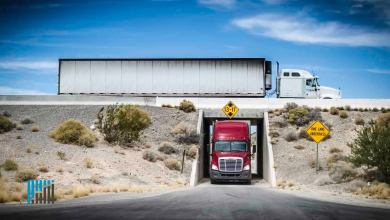
UK traders running out of time to prepare for Brexit-related customs changes
New customs formalities will require companies moving goods between the U.K. and the EU to quickly become familiar with new systems and technologies to keep their shipments flowing.

New TMS provider takes LTL-specific challenges head-on
Many LTL carriers have lowered caps from 16 linear feet to 12 linear feet, either denying freight that exceeds those limits or instituting punitive pricing measures that make moving it unaffordable.
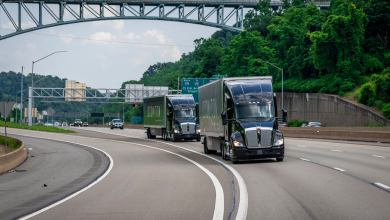
Saving the planet and protecting bottom lines go hand in hand
Locomation earned high marks on a third-party environmental impact report conducted by Boundless Impact Research and Analytics last month.

How carriers can keep their fleets running into 2022
After a couple of oddball years, shippers and carriers alike are anxious to see how the market rebalances — or doesn’t — after the new year.

Changing customs landscape between EU, UK could lead to disruption
Full customs formalities will be required on goods moving into the U.K. from the EU after the new year. If you’re not prepared, expect congestion, delays and learning curves.

Brokers need multiple rating tools to stay competitive
Relying on a single data source to predict pricing is risky in the best of times. Right now, brokers and shippers are already facing high — and highly variable — rates. A lack of true insight in the mix only makes the situation more chaotic.
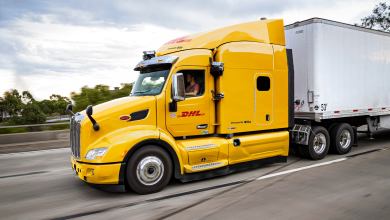
Outlook, trends and hot topics for transportation in 2022
The COVID-19 response, labor shortages and strained capacity will continue into the New Year, but there is hope. Jim Monkmeyer, President of Transportation & LLP, DHL Supply Chain, shares some advice on how to retain talent, where to invest and how to stay positive during this unprecedented time.

Dedicated partnerships prove essential in evolving pharma field
While decentralized trails seem like a win-win-win, one of the biggest concerns surrounding this model is the safety and integrity of the drug when it is shipped to the patient’s home. This direct-to-patient model relies on a robust logistics strategy to support product viability and security.

Emerging cell and gene therapies bring unique supply chain challenges
All cell and gene therapies are composed of living cells with limited life spans, making it crucial that they are transported on time and in pristine condition.

Traditional RFPs are dying
Digital RFPs allow shippers to award bids faster and perform far less manual labor, bolstering their bottom lines and allowing them to repeat the RFP process more often.

Shippers must evolve to overcome market challenges
We are expecting seasonal slowdowns and a lower sense of shipper urgency following the holidays to allow easing rate pressures, however, capacity constraints are expected to remain in place.

Last-mile logistics tech helps carriers, brokers cope with peak season
Efficiency is the key to keeping costs low and customer satisfaction high. This becomes more and more relevant as consumer expectations shift and strengthen in light of the coronavirus pandemic.

Mitigating financial risk by automating spot transactions
Ultimately, utilizing digital tools to manage spot transactions drives down both transportation and labor costs.

Are drivers even seeing your job postings?
In an industry reeling from early retirements and halted driving school programs, an effective strategy for recruiting and retaining drivers is more important than ever.
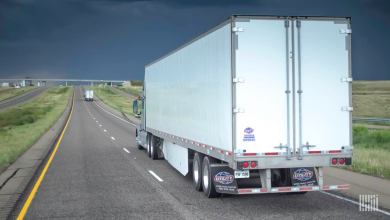
Data and analytics crucial to future of automation
While automation offers the quickest path to increased efficiency, many companies are held down by slow-to-adapt legacy operations or siloed solutions.

Keeping up with the pace of digital freight change
While building out custom solutions is an important part of many brokerages’ road maps, some tools — especially those that require significant maintenance and regular updates — are better outsourced for maximum efficiency.

Industry makes strides toward full truckload automation
It is well known that desperation breeds innovation, and many across the logistics industry have certainly found themselves desperate for capacity this year.

Streamlined applications help private fleets recruit
Difficult application processes — including long forms and cluttered websites — tend to dissuade drivers from applying at all. In a field with more open positions than people to fill them, carriers cannot afford to lose a driver’s attention over an archaic application form.

Peak season analysis and strategy
With demand outpacing supply all year, the entirety of 2021 has mirrored peak season conditions. Despite these challenges ahead of the holiday season, there are low-cost solutions and long-term investments shippers can apply to improve operations.

The threat is coming from inside the house: Turn inward to ward against security risks
When people think about security breaches, they often think about hackers in dark hoodies hiding behind computer screens. While some attacks do come from malicious outside parties, logistics companies should also be aware of threats coming from inside their own buildings.
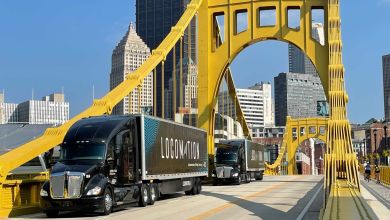
Human-guided autonomous trucking could prove invaluable in driver pay reform
Thanks to persistent industry headwinds, the debate surrounding how to pay drivers – by the mile or by the hour – is heating up, and Congress is taking notice.

Real-time visibility helps brokers stay ahead in strained market
Given how difficult it is to source capacity in today’s market – as well as the growing importance of visibility throughout the supply chain – it is not surprising to see more visibility and predictive freight matching tools entering the scene.

Disparate solutions lead to inefficiencies in e-commerce era
When shippers are using several cobbled-together solutions with hit-or-miss integrations, they miss out on opportunities to optimize their business practices and workflows.

Strong partnerships keep trucks rolling this peak season
Many of the conversations surrounding peak season headwinds center around shippers, but carriers are also faced with challenges during this time.
Maintaining valuable relationships with a TMS
Sourcing capacity will likely prove difficult through at least the first quarter of 2022 as supply and demand struggle to strike a balance during the peak season.

Flexibility is key to navigating disrupted auto industry
New car inventories are down significantly from 2019 due to manufacturing slowdowns and parts shortages. Meanwhile, demand continues to surge, with multiple used car pricing indices showing prices up about 27% year-over-year.