Flatbed keeps riding post-pandemic wave
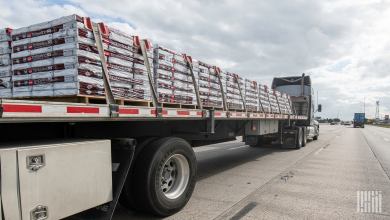
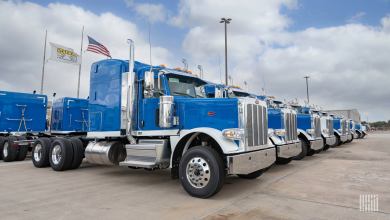
Flatbed capacity tends to be as erratic as its demand, making it harder to secure in general.
After over a year of declining volumes and rates, trucking spot rates have leveled and demand has just witnessed an unseasonable jump.
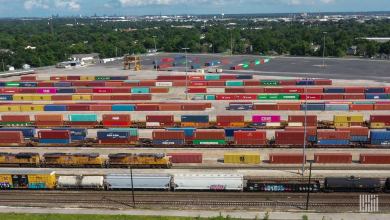
The pandemic may have exposed long-term weakness to the railroads’ intermodal growth plans.
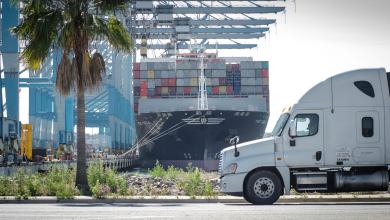
Southern California markets were flush with transportation activity during the pandemic. That has eroded and then some. This has not only left transportation networks exposed operationally but also created pricing gaps.
What do historically low rejection rates mean for the truckload industry?
Perhaps the biggest question of 2023 for domestic trucking is when will the surplus of capacity fade to a point that prices stop falling. One data point provides deeper insight than simply a count of drivers or tractors.
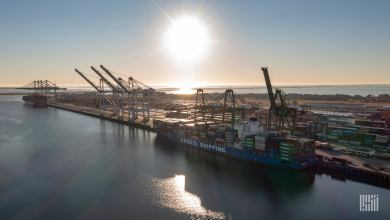
Lunar New Year normally brings a slow shipping period for imports, but the lead-in period was also lackluster. With many companies calling for a return to seasonal patterns later in the year, just how close are we to that being a reality?
Many people get hung up on trying to figure out how much capacity is readily available in trucking when they should be more focused on monitoring demand trends.
Are supply chains already manifesting significant changes in domestic transportation patterns?
What conclusions can we draw from the relationship between imports and trucking?
Truckload carriers nearly auto-accepted load requests during the holidays. While this may look like a blessing to shippers, the implications are not great.
Truckload carriers are providing the best contract compliance since COVID started during a traditionally chaotic time. What does this mean for 2023?
Normally one of the softest regions for truckload activity in the U.S., the Pacific Northwest has become the tightest in the nation.
Fuel costs are a huge cost component of operating a trucking business. Small operators are at a significant disadvantage in the current market thanks not only to declining demand but fuel price volatility.
Transportation demand continues to erode heading into the slowest months of the year. Could this be the bottom?
The automotive industry has been going strong while other sectors of the economy are slowing. What are some of the reasons for this and how long will it last?
FreightWaves new spot rate forecast supports a slow start to trucking’s peak season.
Truckload contract rates have slowed their descent after a quick drop in August. What should we make of this as demand continues to ease?
The ghost of Paul Volcker is stalking truckload carriers as Fed Chairman Jerome Powell looks to his mentor’s 40-year-old strategy to quell inflation. The lagging impacts from the recent interest rate hikes will inevitably erode demand several months into the future.
Outbound truckload tender volumes spiked this week out of Southern California, while intermodal volumes dipped due to a brief embargo. Could this be a result of shippers preparing for a potential strike?