Déjà vu all over again: kill the Jones Act now
A year later, nothing has changed. The hurricanes keep coming on strong. But the stubborn, antiquated, protectionist law, won’t go away. It’s like a bad dream all over again.
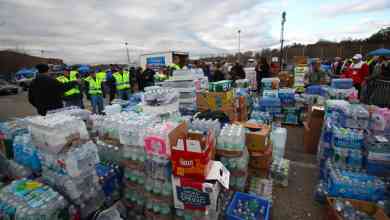
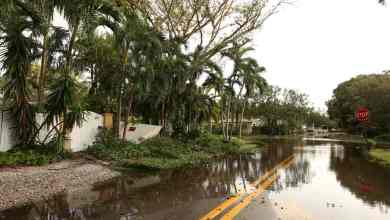
As Hurricane Florence nears the East Coast, and several named storms threaten other U.S. states and interests, ALAN is mobilizing for action – and encouraging industry businesses to do the same.
Hurricane season brings an increased risk to transportation energy in the United States, both from a supply and price perspective. FreightWaves spoke with Brett Wetzel, senior manager of applied knowledge for Breakthrough to understand the broader impact of Hurricane Florence.
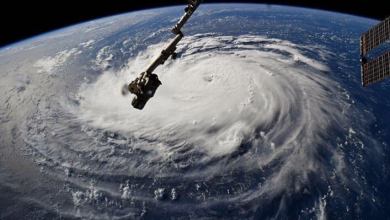
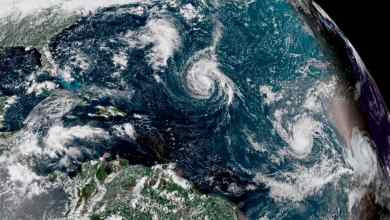
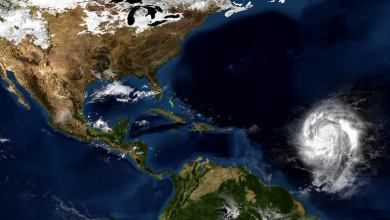
Maximum sustained winds have decreased to 130 mph with higher gusts. Florence is still a category 4 hurricane, and some re-strengthening is expected.
Forecasters are suggesting that Florence could be a Category 5 storm by Tuesday AM
Maximum sustained winds have increased to 140 mph with higher gusts, and Florence is now a category 4 hurricane and expected to worsen.
FreightWaves spoke with the American Logistics Aid Network (ALAN) to learn how drivers can use their resources to help ahead of Hurricane Florence.
Latest update from the National Hurricane Center sees the storm reaching major hurricane status later today.
As the residents on the East Coast prepare for the potential of the largest storm to hit the coast in two decades, logistics professionals should prepare for the disruption it will mean to their networks
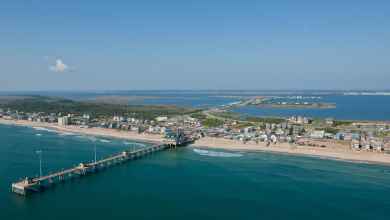
The North Carolina coast is especially vulnerable to hurricanes. FreightWaves spoke to executives at Lync America, a Chattanooga-based freight brokerage, about the trucking activity they’re seeing related to disaster preparedness.
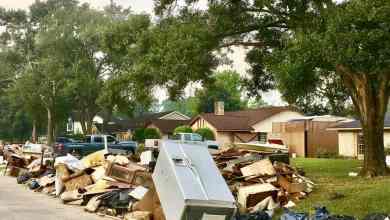
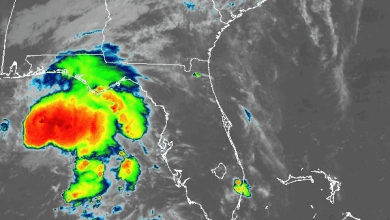
One year later the memories of Harvey are still fresh. With the peak of the Atlantic hurricane season approaching the first real tropical threat to the U.S. mainland is targeting the central Gulf Coast with flooding rain and storm surge potential.
What is the correlation between freight costs and the loss of property value in coastal communities?
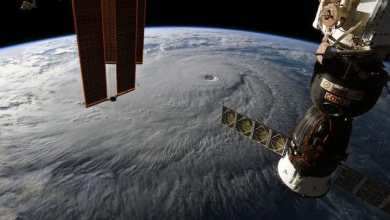
Rare Pacific basin storm shuts main source of imports to Hawaii, with longer shutdown also possible.
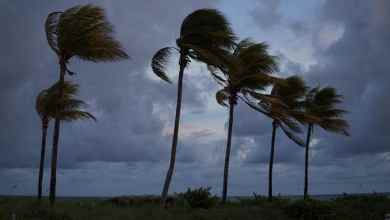
Good news for coastal residents, but bad news for carriers that made a lot of money on hurricanes last year: not much happening this year. Pretty much all key predictive variables, from sea surface temperatures to wind shear, suggest the current hurricane season will not hold a candle to last year’s hyperactive season in the Atlantic Basin, according to Riskpulse’s hurricane season mid-August update.
While carriers and shippers can’t change the weather, they can learn to work with it – or at least around it. That’s where the expertise of a company like AccuWeather comes in handy.
Less than 2 inches of rain has fallen across much of West Texas since last October, compared with an average of about 10 inches over the same period last year.
What happens with increased turndowns in this context is that carriers don’t want to go inbound into a place—in this case, Philadelphia—as they assess the cost of outbound.
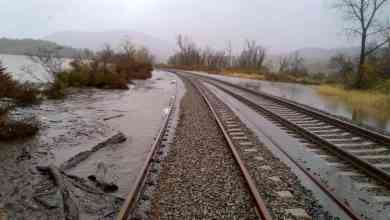
A wet pattern continues in the middle to eastern sections of the country, making it difficult for carriers to manage surging spring volumes coming out of the south. This impacts all modes of transportation including the beleaguered rail lines.
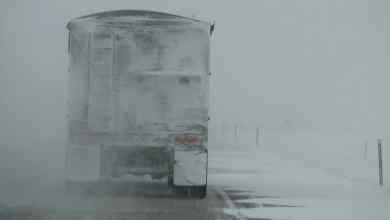
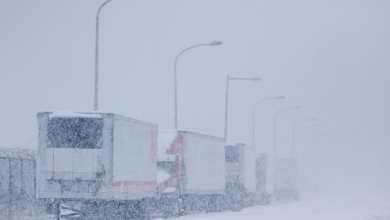
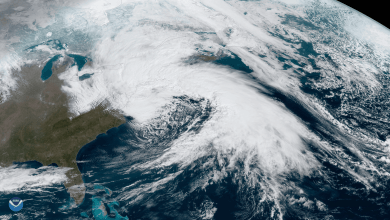
As record setting winter weather continues to disrupt all forms of transportation in America, the Northeast sees dramatic declines in freight acceptance.