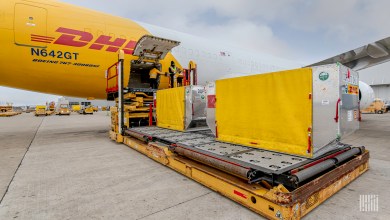
DHL cuts ties with cargo airlines as efficiency initiative ramps up
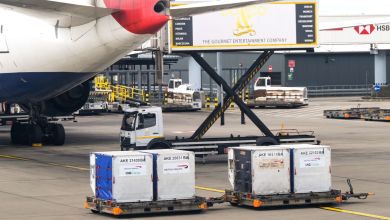
DHL Group is trimming some airline partners to reduce excess capacity in its air network as part of an effort to maintain growth in a turbulent market.

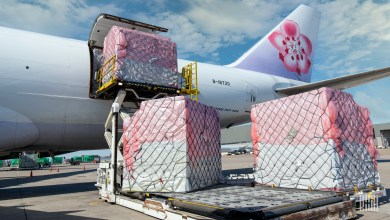
The model railroad industry relies on Asia-sourced parts and pieces for success and tariffs could spell disaster for this niche hobby.
The air cargo industry could see revenues cut by billions of dollars and China-US air rates plunge by 30% or more when the Trump administration revokes duty-free treatment for small e-commerce shipments, according to one logistics expert’s scenario modeling.
Cargojet is focusing more on charter business as e-commerce retailers and other companies seek dedicated airlift, which helped boost revenue more than 30% in the fourth quarter.
Rep. Rosa DeLauro says the Trump administration has retreated from removing a lucrative tariff exemption for low-value e-commerce goods made in China. In its haste to crack down on duty evasion and fentanyl smuggling, the White House made the situation worse, she says.
New policy could accelerate nearshoring trend.
The air cargo sector is finishing the year with a flourish as peak season demand pushes freight rates even higher.
The old FedEx and UPS business models aren’t working in a parcel market undergoing radical transformation. The express carriers need to rethink their network strategies as B2C shipping takes precedence and consumers compromise on speed to get lower prices.
Air France-KLM is pulling cargo capacity out of Latin America to give customers more airlift in the lucrative China-to-Europe market.
The size of the U.S. Postal Service network could allow the agency to take e-commerce market share from UPS and FedEx.
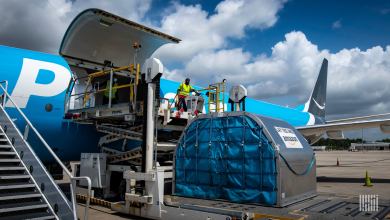
A DePaul University report says Amazon’s air logistics unit is increasing efficiency by adopting a hub-and-spoke operating system for its cargo jets and airport locations.
Shared warehousing, distribution and fulfillment services are making it possible for companies to adapt to fluctuations in demand, providing the same functional benefits of an owned warehouse, distribution or fulfillment center without the upfront investment and risk.
Your latest info on all things cold chain
In light of today’s soft economic conditions and high inflation rates, companies should have plans in place for providing standout service without blowing their own budgets going into peak season.
To view more FreightWaves infographics, click here
In this edition: How influencers need a 3PL; noncompetes come for the C-suite; and the first installment of double broker red flags.
“It’s not a one-size-fits-all scenario. We can sit down with any merchant of any size, with any kind of commodity and really understand their needs and how both the technology and our carrier network can get that customer delivery experience they are looking for,” said Brad Noble, Passport’s new head of business development.
Inside this edition: designer brands relying more on 3PLs; Mexico gains another manufacturer; and more acquisitions.
Key Comparisons: Amazon vs Walmart