




Kim Link Wills
Friday, September 25, 2020
Port of LA’s Seroka calls for US focus on exports
Executive Director Gene Seroka shines spotlight on trade gap on “Squawk Box Asia.”
Executive Director Gene Seroka shines spotlight on trade gap on “Squawk Box Asia.”
Earnings reports from retailers show a clear shakeout between winners and losers.
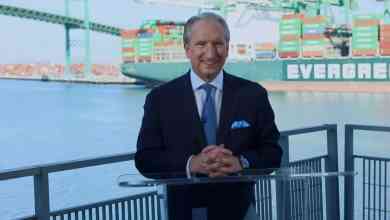
Gene Seroka says the “disruption and breakdown of the global medical supply chain” during the COVID-19 pandemic highlighted the need for change in the maritime sector.

Information sharing is part of Executive Director Gene Seroka’s quest for more efficient operations.
U.S. importers now paying three times more per mile than Europeans for transport of Chinese goods.
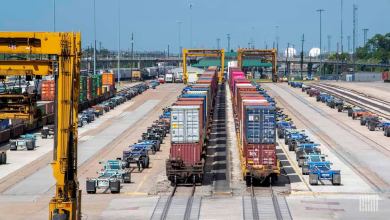
Intermodal was supposed to be the growth engine for rail.
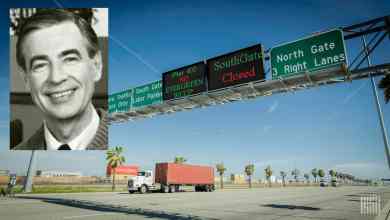
The pandemic, trade war and a communication gap have muddled implementation of a $10-per-TEU surcharge.
U.S. importers turn to Chinese sellers in the wake of COVID.
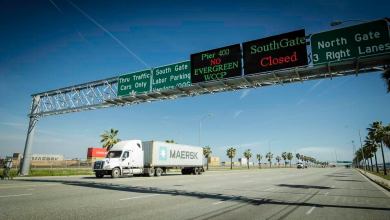
Freight is getting crammed into the U.S. West Coast as fast as carriers can pick it up. How long will it last?
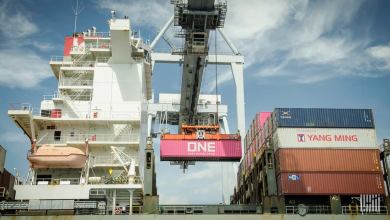
Executive Director Gene Seroka does not want to break the 15-month record set during the recession of 2008-09.
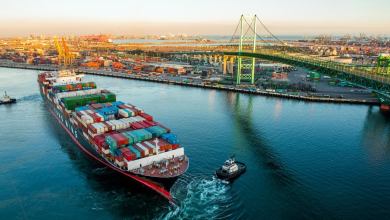
Asia-U.S. ocean freight rates are hitting record highs as import demand outpaces vessel supply.
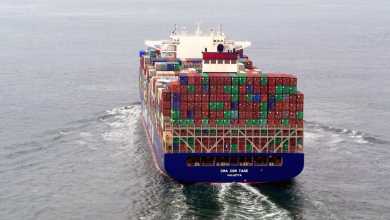
Human error-related insurance claims represented over $1.6 billion in losses, according to insurance report.
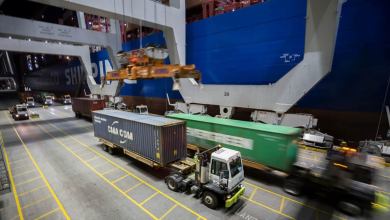
Ports on the Atlantic are losing imports from Europe as well as Asia.
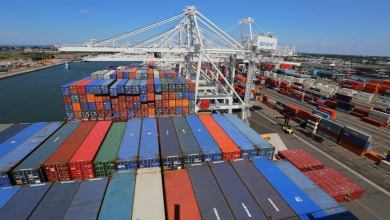
The U.S. Federal Maritime Commission found during its Fact Finding 29 investigation that the Port of New York and New Jersey showed supply chain resolve during the coronavirus pandemic.

With airfreight capacity squeezed and rates high between China and the U.S., ocean freight consolidators offer the option of fast, cheaper less-than-container load, trans-Pacific services.
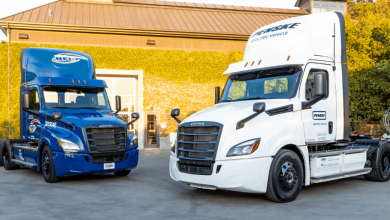
Freightliner’s test fleet of 30 electric trucks has circled the world an equivalent of a dozen times as they make drayage runs and a variety of deliveries in Southern California. Daimler Trucks North America plans regular production of electric trucks in 2022.
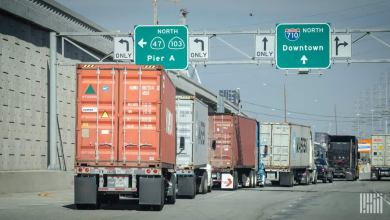
OffPeak praised for enabling Southern California distribution centers to operate second shifts.
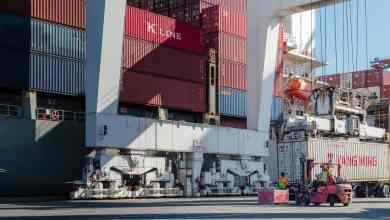
“Employer groups should not play American ports against one another,” says longshore union leader.
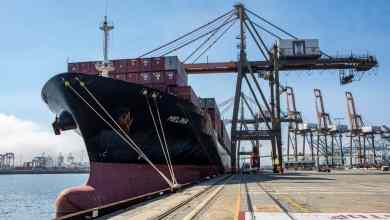
Total number of TEUs moved in June down 17.1% year-over-year.
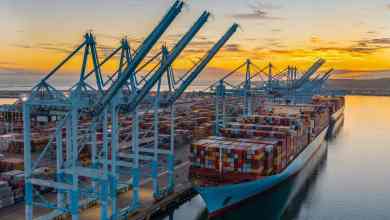
U.S. shippers importing cargo from Asia are getting some price relief.