Container shipping fuel prices remain elevated as supply fears ease
The cost of fuel for ocean-going cargo ships more than doubled so far this year, although supplies have improved.
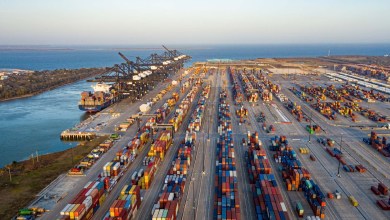
Imports climbed 3.8% from July to 2.60 million TEUs as gains at East, Gulf and West Coast gateways coincided with a broad increase in sourcing-market volumes and rising port transit delays.
Container carriers Red Sea return is lowering some rates but increasing exposure to potential new disruptions.
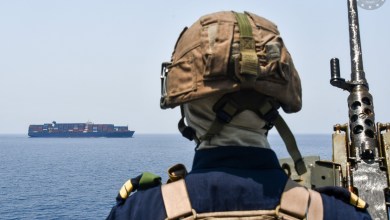
Ocean container rates are on the rise, Freightos says, as carriers bet dollars to [terrorist] drones they can safely return to the Red Sea.
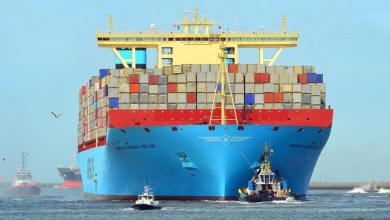
After profits collapsed in the first quarter – and just days before it reports Q2 earnings – Maersk said it will return another headhaul service to the full Suez Canal-Red Sea route. “We are pleased to share that Maersk and Hapag-Lloyd are announcing a structural change to one of the Gemini services, the AE19 service,” […]
An Indian-flagged cargo ship sank after a fiery attack in the Red Sea, as violence against Mideast shipping spreads across the region.
Fuel prices climb anew as U.S., Iran battle over Strait of Hormuz, but near-term outlook for tariff pressures uncertain ahead of midterm elections.
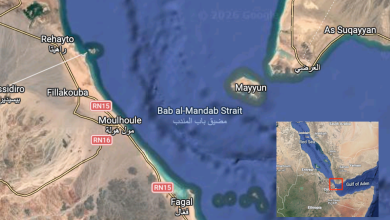
Yemen’s Houthi rebels announce a ‘blockade for blockade’ in escalation with Saudi Arabia that again threatens the Suez Canal shipping route.
A shift by a major carrier partnership could signal a wholesale return of global shipping to the Suez Canal.
Maersk this week contradicted a consultant’s report that one of its vessels made a recent transit of a violence-plagued Mideast shipping route.
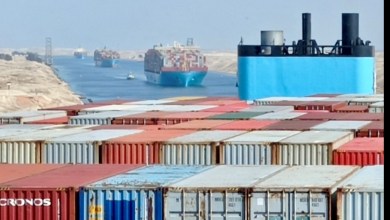
Maersk led a growing stream of brand-name vessels transiting the Suez Canal-Red Sea route, says consultant Drewry.
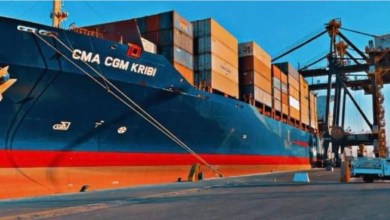
A 5,500-TEU container ship operated by CMA CGM of France marked the first transit by a major ocean line through the Iran-controlled Strait of Hormuz.
As logistics providers look for the greenshoots of spring’s business revival, ocean shipping is seeing a range of changes weighing on the outlook for the maritime supply chain.
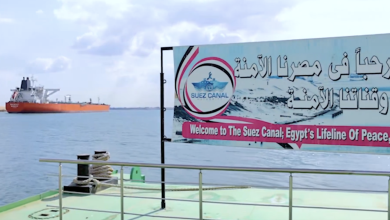
While major shipping lines cut short their return and war threatens the region, the Suez Canal Authority said vessel traffic continues apace through the Middle East trade route.
A U.S.-flag bulk tanker was hit by projectiles at the Port of Bahrain, the first American merchant ship to come under attack in the Iran war.
The largest container vessel lines shifted operations as Iran attacked Persian Gulf ports and tanker vessels in the Strait of Hormuz.
Houthi rebels in Yemen warned they will resume drone and missile attacks on Red Sea shipping after Israel and the United States launched attacks on Iran.
Just weeks after returning, Maersk will again divert some voyages, including a U.S. service, away from the volatile Red Sea-Suez Canal route.
Xeneta: Iran tensions could delay Red Sea return While ocean carriers wrangle with too many ships and too little cargo, continuing weak rates on the Asia-U.S. trade route are starting to show up on other benchmark shipping lanes. “Average spot rates are down this week across all main fronthaul trades out of the Far East,” […]
Muted demand marks the trans-Pacific container market post-Lunar New Year as ocean freight rates are easing earlier than usual.