Maersk denies report its vessel transited dangerous Mideast route
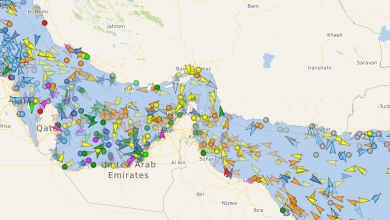
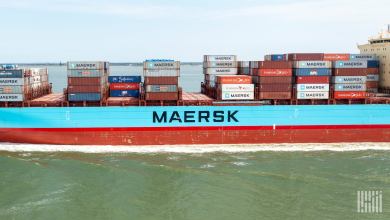
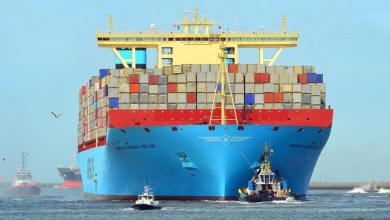
Maersk this week contradicted a consultant’s report that one of its vessels made a recent transit of a violence-plagued Mideast shipping route.
As the peak season nears, freight rates are expected to shift from their currently high fuel-cost baselines due to seasonal demand and fleet capacity management.
Ocean freight rates on the trans-Pacific remain above pre-war levels as retailers warn of tepid peak season gains.
Hapag-Lloyd posted a loss in the first quarter as lower volume and weaker rates hit earnings.
A bulk carrier managed by a U.S. company was one of several vessels hit by suspected hostile fire in the Persian Gulf.
The United States paused military escorts of ships in the Strait of Hormuz after a missile attack on a French container vessel injured crew members Tuesday.
Super Dispatch has released new data from its Fuel and Transport Cost Tracker detailing the impact of rising diesel prices on carriers, brokers and shippers.
A Maersk vessel under U.S. military contract made a safe exit from the Strait of Hormuz Monday, escorted by American warships.
Ocean freight rates remain high despite low seasonal demand due to increased fuel costs amid ongoing Strait of Hormuz closure.
The Iran war is making it more expensive to ship a container from Asia to the U.S., thousands of miles from the conflict.
Persian Gulf vessel traffic still at a trickle as the U.S. presses a blockade of the Strait of Hormuz.
It could take six months from the time hostilities cease for insurers to clear Strait of Hormuz shipping for normal operations.
Ocean container operations are stable across a global market outside the Middle East amid sharply higher fuel costs and uncertain availability.
The war with Iran moved diesel up nearly 50 percent in five weeks and analysts are modeling $6 and higher if the Strait of Hormuz stays disrupted into summer. Carriers are repricing surcharges, shippers are absorbing new fees and everyone is looking for relief. The biggest lever most fleets have on their fuel budget is not an aerodynamics package or a new engine spec. It is the driver.
A plan to charge ships a toll to cross the Strait of Hormuz could further increase fuel prices; container ships trapped in the Persian Gulf have yet to move after the U.S.-Iran ceasefire.
Disruption in the Strait of Hormuz forced tens of thousands of vessel route diversions in the first month of the Iran war, indicating a significant and sustained shift in global shipping, according to visibility platform project44.
The Federal Maritime Commission for the second time declined to waive the 30-day waiting period to implement an emergency fuel surcharge Maersk says it urgently needs to recoup rising operating costs.
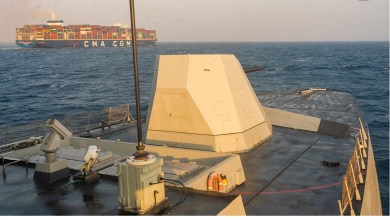
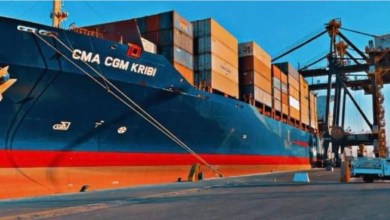
A 5,500-TEU container ship operated by CMA CGM of France marked the first transit by a major ocean line through the Iran-controlled Strait of Hormuz.
Hapag-Lloyd’s CEO said that the war in Iran is costing the container carrier $40-$50 million per week for added fuel, insurance and other expenses.
As logistics providers look for the greenshoots of spring’s business revival, ocean shipping is seeing a range of changes weighing on the outlook for the maritime supply chain.