




Stuart Chirls
Tuesday, August 4, 2026
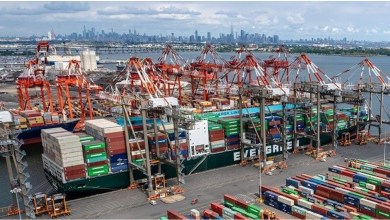
500K June boxes for Port of New York-New Jersey
June container volume grew in the low double-digits y/y at the second-busiest U.S. import gateway.
June container volume grew in the low double-digits y/y at the second-busiest U.S. import gateway.
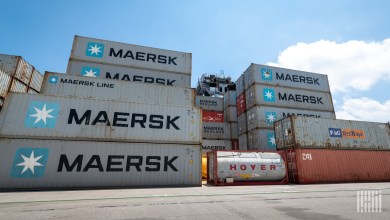
Container import bookings are riding a prolonged wave as new tariffs are reviewed. How much of this is tariff induced and what does it mean for domestic transportation markets?
The top U.S. container port saw near-record volume in February as continued consumer resilience outpaced middling economic indicators.

Unsettled trade policy and cautious importers were reflected in falling January container volumes at the Port of Los Angeles.
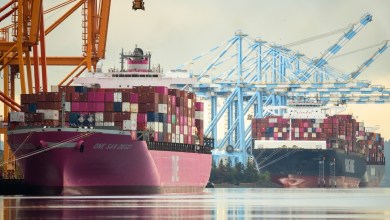
Year-over-year declines in import cargo volume at major container ports are expected to continue in 2026 due to the impact of tariffs and ongoing trade policy uncertainty.
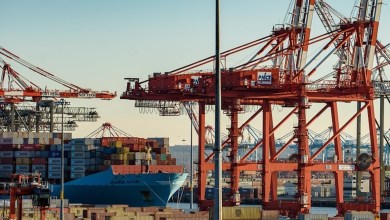
Asia-U.S. container rates rallied on carrier-imposed GRIs and tighter capacity, despite trade tensions.

The Trump administration eases tariffs on auto industry metals, offering relief to U.S. automakers and suppliers through exemptions and reimbursement incentives.

Shippers and carriers watch and wait as Trump trade policy whipsaws supply chain strategies.

Can protectionism work again?
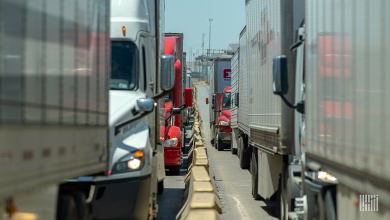
China’s share of U.S. manufactured goods imports is falling, while Vietnam’s and Mexico’s are rising.

Andrew Cox explores how tariffs and trade policies can impact the retail landscape in the United States.

Although “Containers Don’t Lie,” the story they are telling may not reveal the entire picture.


Ben Thrower writes about the importance of American agriculture – not just to the U.S. population, but to the country’s trade negotiations.
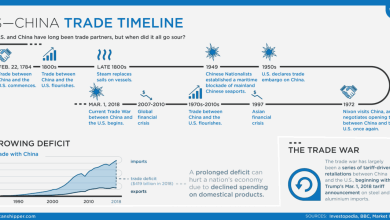

Flexport’s customers have seen average landed unit costs rise by 30 percent due to tariffs.