FMCSA taking comments on industry-wide ELD exemption
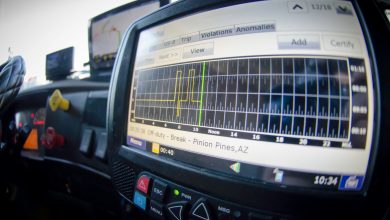
Federal regulators are weighing a proposal to allow drivers to ditch ELDs for paper logs, potentially ending the digital mandate for small carriers.
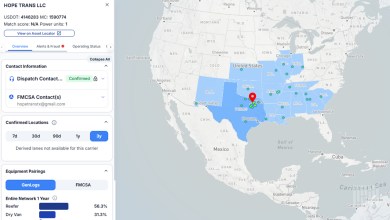
The agency confirmed investigators visited the carrier linked to a deadly Indiana crash and a massive chameleon network. But the enforcement pathway matters more than the headline.
GenLogs provides a visual, objective source of truth. You can put your eyes on what a carrier is actually doing: where they’ve been, when they last hauled freight, whether they ever hauled freight, and for whom. Instead of asking carriers what they claim to do, GenLogs shows you what they actually do.
11 rate hikes, 26 months of manufacturing contraction, driver wages falling behind inflation, while the Fed blamed workers for price increases. Kevin Warsh’s nomination signals a fundamental shift in how Washington thinks about monetary policy , and trucking stands to benefit.
FMCSA and its state partners conduct 3.3 million roadside inspections annually, placing nearly a million vehicles and drivers out of service, but states are measured on inspection volume, not enforcement outcomes. The inspectors’ own alliance wants to eliminate the requirement that carriers confirm they fixed the problems. There are 800,000 carriers and 12,000 audits a year. Texas has a state law that conflicts with federal ELP requirements, so drivers get licensed there and are placed out of service elsewhere. We’re counting inspections. Nobody’s counting compliance.
The D.C. Circuit stayed FMCSA’s non-domiciled CDL rule in November. The agency asked to place the litigation on hold while it works on a final rule. FMCSA is still seeking three-year approval for the information collection requirements, states must retain ID documents and SAVE queries for two years, and produce them within 48 hours of request.
Are ELP out-of-service violations actually effective law enforcement?
Arizona lawmakers just passed a bill out of committee that would let cops seize a commercial truck on the spot if the driver is here illegally with a fake CDL. Welcome to the new reality of trucking legislation, where highway safety and border enforcement are colliding in ways that will reshape how carriers operate.
Nearly 88,000 trucking companies closed in 2023. Fraud losses topped $455 million in 2024. Carriers filing claims against $75,000 surety bonds are discovering that the pot’s already been split 50 ways. As the Supreme Court prepares to rule on whether brokers can be held liable for hiring bad carriers, it’s time to ask: who really bears the risk in freight, and is the system rigged against the people actually moving the loads?
The Florida Senate Transportation Committee voted 6-3 on Tuesday to advance legislation requiring law enforcement to detain commercial truck drivers in the country illegally, impound their vehicles, fine owners $50,000, and ban the carrier from operating in the state. This is the tip of the spear now aimed at CDL programs nationwide.
The favorite argument from those supporting the ATA’s teen trucker push is “if they can go to war at 18, they can drive a truck at 18.” Military service transforms young people into disciplined, responsible adults who understand that their decisions affect others. That’s why military-trained drivers have 42% fewer accidents. The solution isn’t younger drivers; it’s requiring the standards that make military drivers safer. We’ve lost something fundamental in how we raise our young people, and the highway data proves it.
The ATA wants FMCSA to extend a failed pilot program that produced 42 graduates out of a planned 3,000. Meanwhile, we’re handing CDLs to drivers who can’t pass basic safety screenings, and carriers who kill people on our highways are walking away with slaps on the wrist. Lowering the age requirement doesn’t solve a labor problem; it creates a safety catastrophe.
Federal regulators have officially opened a 30-day comment period on ATA’s request for a five-year exemption to continue onboarding 18-to-20-year-old interstate truck drivers.
Secretary Duffy has moved beyond funding threats. He’s now openly discussing pulling California’s ability to issue commercial driver’s licenses to anyone, a move that would effectively ground 700,000 CDL holders and create supply chain chaos that would make the 2021 port backups look like a minor inconvenience.
If you got an email from FMCSA this week telling you to prepare for Motus, you might have rolled your eyes. Another promise to modernize. We’ve heard this song before. This one actually matters.
The freight industry moved $14 trillion in goods last year. It cannot function without trust, trust that the carrier picking up your load is who they claim to be, trust that the broker paying you will actually pay, and trust that the load you accepted exists. That trust has been systematically exploited for decades. At its root, every form of freight fraud, chameleon carriers, double brokering, cargo theft, identity spoofing, comes down to one question: Are you who you say you are?
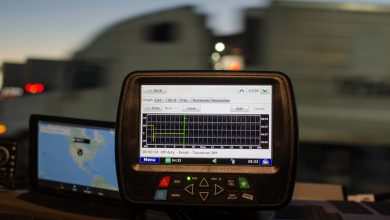
Following a surge in removals last year, FMCSA has blacklisted four more electronic logging devices for failing to meet federal safety standards
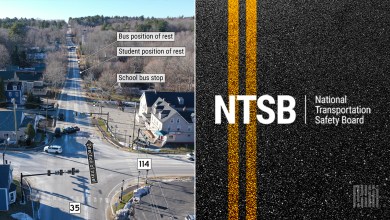
A five-year-old Maine boy was dragged nearly 300 feet and run over by his own school bus after his arm became trapped in the closing doors. The NTSB investigation comes as national data shows approximately 16 children die annually in school bus loading zones, a number that has persisted for decades despite available technology to prevent such tragedies.
California’s years of documented CDL fraud, enforcement failures, and defiance of federal regulations finally caught up with it. Today’s $160 million funding cut for non-domiciled CDL violations, combined with October’s $40 million ELP penalty, marks the largest federal enforcement action against a state licensing program in FMCSA history.
Inspectors are monitoring the progress of DOT organizations in implementing prior recommendations.