Outrider builds industry-first safety system for driverless yard operations

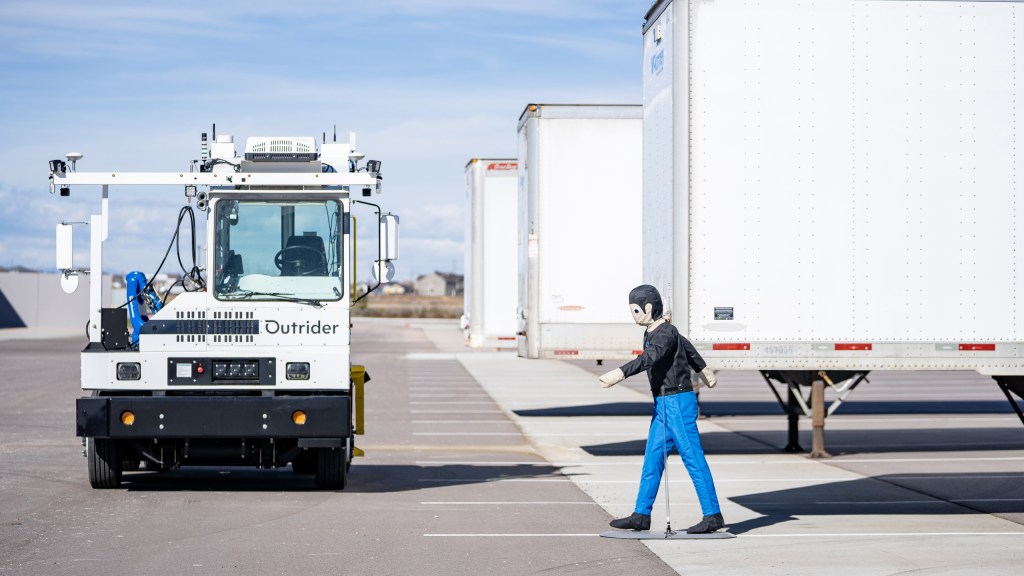
Outrider autonomous terminal tractor in a trailer yard

The autonomous yard truck turf war in the trailer yard is heating up with Outrider recently announcing it has developed the industry’s first safety system designed specifically for driverless movement in mixed traffic trailer yards.

Outrider is a technology developer of autonomous yard operations for logistics hubs. The company’s proprietary functional safety approach recently received validation from TÜV SÜD, a globally recognized independent testing and certification organization, determining it aligns with its AV Conformity Framework requirements.

“Outrider pioneered the yard automation space with the goal of making autonomous yard operations inherently safer than present-day operations, and we have prioritized the safety system from day one,” said Andrew Smith, founder and CEO of Outrider. “It is not hard to create a driverless demonstration. It is a major technical undertaking to design an 80,000-pound robot that operates among over-the-road trucks, delivery trucks and warehouse personnel.”

Smith spoke with FreightWaves about the milestone, noting that the company has been operating with both human drivers and safety observers for several years. According to Smith, the company has completed hundreds of thousands of fully autonomous trailer moves within its customers’ fleets.

The TÜV SÜD validation was the next big step as the company is going through the final steps of its validation process. “Having our safety process approved by TÜV SÜD means that we can go through the final steps of validation according to this defined process, so that Outrider and our customers feel comfortable starting to scale these driverless systems throughout their standard operating environments,” Smith told FreightWaves.

The Outrider System that drives these autonomous terminal tractors uses advanced artificial intelligence to handle complex logistics yard movements with precision and predictability. Recognizing that even sophisticated AI systems can experience unexpected failures, the company built a comprehensive safety system with 14 distinct safety mechanisms addressing over 200,000 yard-specific hazards.

The safety system includes redundant hazard detection, fail-safe hardware redundancies and real-time health monitoring capabilities that can detect environmental anomalies, override unsafe behaviors and stop vehicles when necessary. Unlike teleoperated solutions, these autonomous vehicles operate independently alongside manual drivers, over-the-road trucks and pedestrians in distribution facilities.

Another notable difference between terminal and yard operations is that fleet electrification has become more established, with EV terminal tractors being in use among large OEMs since the mid-2010s.

All Outrider systems operate on electric truck platforms, which offer enhanced safety, stability and lower total cost of ownership compared to diesel alternatives. The systems feature automated charging during off-peak distribution cycles, reducing operational downtime.

“At the current electric vehicle costs, for medium to high utilization applications, the EVs are meeting, exceeding or showing lower total cost of ownership than diesel trucks, mainly based on maintenance issues and fuel cost,” Smith added.

Another added benefit of an electric autonomous yard tractor is that these two technologies are complementary.

Smith told FreightWaves, “It is the safer, more stable power platform for autonomy. It allows for automated charging and easy off-peak charging of the system. So we have perfect knowledge of the yard operations and we just take low periods in the distribution cycle to charge them. And then also from a maintenance standpoint, rather than having to do fueling, changing oil, and emissions treatment changes, etc. These systems are working day in and day out at the customer yards.”

To make money, Outrider offers its technology as a subscription service, including the autonomy stack, cloud-based management software, automated trailer inventory tracking and 24/7 support.

Once deployed, Smith notes that these fully driverless terminal tractors will be managing distribution center yards alongside human drivers and workers. “They will work alongside the over-the-road trucks coming in and out. They will work alongside the occasional pedestrians that need to be there driving delivery vehicles or doing repairs in the yard,” said Smith.

Outrider notes that initial deployment of the latest-generation driverless yard trucks will begin with select enterprise customers in the second half of 2025. While capacity remains constrained for 2025, the company is currently accepting orders for deployments in 2026 and 2027.


Insider threat cargo theft cases rose in Q2, expert says

During the second quarter of this year, the frequency of incidents involving thieves acting upon inside information has been rising, according to Tony Pelli, global director of supply chain resilience at BSI Consulting.

The company’s second-quarter global cargo theft report – for the period between April 1 to June 25 – shows Miami and Los Angeles were the top two hot spots for insider participation cargo thefts in the U.S.

“The biggest thing that stood out was the increase in insider participation in thefts in the United States,” Pelli told FreightWaves in an interview. “There’s people giving details of information or details of shipments as they are coming out of warehouses or other locations, and people sort of tailing that and stealing it, or using it to facilitate theft in other ways. That was a bit of a surprise to us and something that we don’t see that frequently in the U.S.”

Herndon, Virginia-based BSI Consulting offers solutions for companies operating in sectors such as environmental-health-safety, supply chain security, sustainability and digital trust.

Criminals are using phishing emails and other cybersecurity vulnerabilities to conduct strategic theft incidents, the BSI Consulting report said. Other common trends for insider participation includes:

  • Bribing employees for information
  • Colluding with corrupt employees at shipping and logistics companies
  • Involvement of corrupt truck drivers
  • Targeting facilities near major logistics hubs
  • Stealing small amounts of goods over time (the ant method)
  • Working in an organized group
  • Engaging in sophisticated fraudulent schemes
  • Damaging company property to conceal thefts

“I think just given how fragmented the trucking and logistics market is in the United States, it’s just tough for smaller companies especially to keep up with that sort of thing,” Pelli said.

Insider threats could be rising because criminals are reaching out to employees who may or may not realize they are being targeted, Pelli said.

“These thefts are becoming more sophisticated and they are soliciting people inside organizations to help with those types of thefts,” Pelli said. “Especially given the locations in California, which is sort of the epicenter of this fraud type of theft, is that it’s sort of a spillover from fraud, where people are realizing now that they can sort of get on the inside of organizations or solicit from the inside of these organizations in order to carry out thefts.”

Pelli said cyber training all employees at a company could be crucial in stopping insider threats.

“Cybersecurity training, knowing to recognize lines of phishing is important – what does a suspicious email look like, what does it look like if you’re being solicited for information even, not trying to get you to click on a link, just asking you about key details that you shouldn’t be divulging to anybody outside the organization,” Pelli said. 

In North America, Mexico had the most overall cargo theft incidents at 63% during the quarter, the U.S. accounted for 32% and Canada had 3%, according to BSI’s second-quarter report.

Crimes involving tractor-trailers accounted for 85% of cargo theft cases in the U.S. during the second-quarter, followed by theft from facilities (9%) and rail (5%).

Truck hijackings was the lead theft type at 25%, followed by theft from vehicles (19%), theft from facilities (18%), and theft from container/trailer (6%).

Most thefts, including all modalities, occurred in-transit (39%), from warehouses (22%), from unsecured roadside parking (8%), production facilities (7%) and parking lots (5%).

Food and beverage products were the most stolen commodities by cargo thieves during the quarter, representing 23% of incidents, followed by agricultural products (15%), automotive goods (9%), electronics (9%), manufacturing materials (5%) and construction materials (5%).

During the quarter, BSI said they continued to track a higher number of incidents of thefts via rail.

“I think it’s just because rail theft is sort of an easy target,” Pelli said. “It’s become a bit more sophisticated where it’s happening sort of further from the railhead, so more inland in California, or even as far as sort of Arizona, or other neighboring states.”

Criminals will sometimes cut rail lines on longer trains and pilfer it when it stops.

“They’ll cut the brake lines on longer, larger trains, and then they’ll go shopping, basically go looking at individual containers, and especially targeting things like footwear and electronics,” Pelli said. 

To protect themselves against theft and fraud, Pelli recommended companies and logistics professionals do their due diligence on carriers.

“Check out their Federal Motor Carrier Safety Administration information. There’s also other third-party services now that can help with the verification of carriers,” Pelli said. “I know speed is always of the essence when you’re looking to move freight, but even just slowing down a little bit, checking out some of the information, trying to actually call the carrier can help.” 

J.B. Hunt still waiting for market to turn

A white JB Hunt dedicated tractor on a highway

J.B. Hunt Transport Services remains focused on improving its freight profile and removing costs as it awaits a positive inflection in demand.

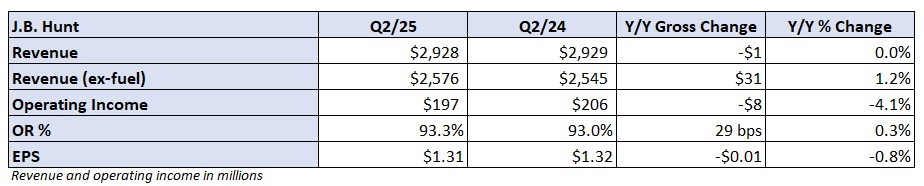
The Lowell, Arkansas-based company reported earnings per share of $1.31 for the second quarter, which was largely in line with analysts’ expectations and flat year over year.

Consolidated revenue of $2.93 billion was also flat y/y and in line with the consensus estimate. Operating income slid 4% to $197 million but margins have largely stabilized across its various business units.

The multimodal transportation provider has identified $100M in cost takeouts, which include a variety of efficiency and asset utilization improvement initiatives. Some of the reductions will be realized this year with the bulk occurring next year.

Table: J.B. Hunt’s key performance indicators – Consolidated

Intermodal sees another mixed-bag quarter

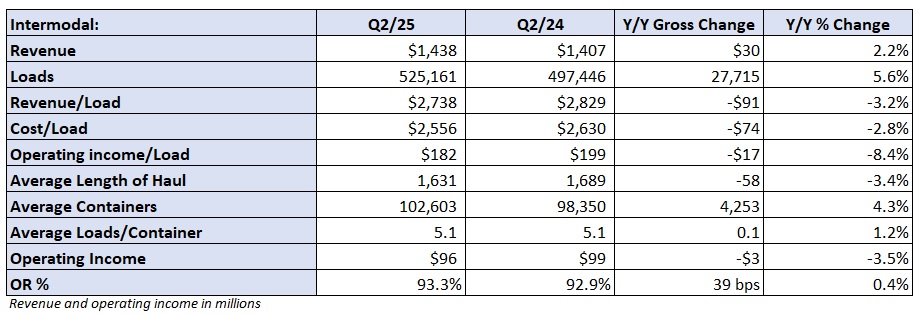
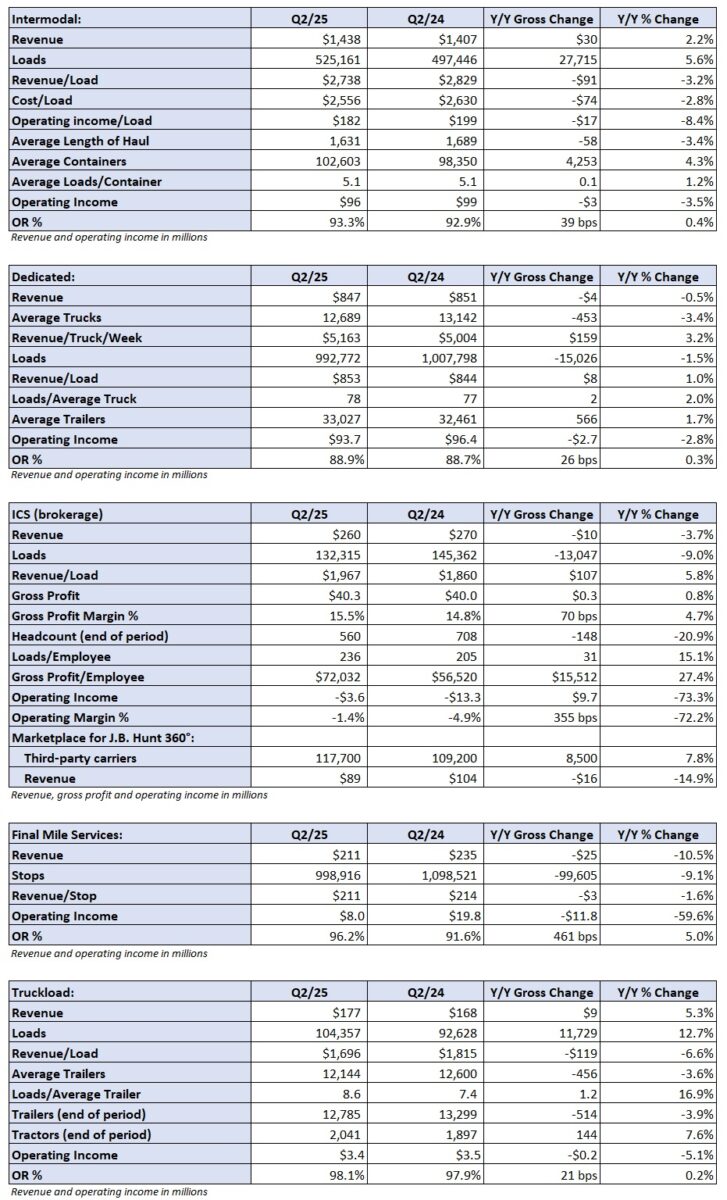
J.B. Hunt’s (NASDAQ: JBHT) intermodal revenue increased 2% y/y to $1.44 billion as loads increased 6% and revenue per load fell 3%. A 15% jump in loads originating in the East weighed on the yield metric given a shorter length of haul. Transcontinental loads were down 1% in the quarter. By month, loads were up 11% y/y in April, 3% in May and 4% in June.

By comparison, total intermodal traffic on the U.S. Class I railroads was up 2% y/y (container-only traffic was up 3%) during the quarter, according to the Association of American Railroads.

The choppiness in load trends during the quarter was largely due to changing customer behaviors in reaction to the trade war.

Some of J.B. Hunt’s customers have pulled freight shipments forward while others have not. Other customers have changed where they source their goods, away from countries that are likely to see punitive tariffs from the U.S. The changes in customer demand pushed J.B. Hunt to pull forward its peak season surcharge programs this year.

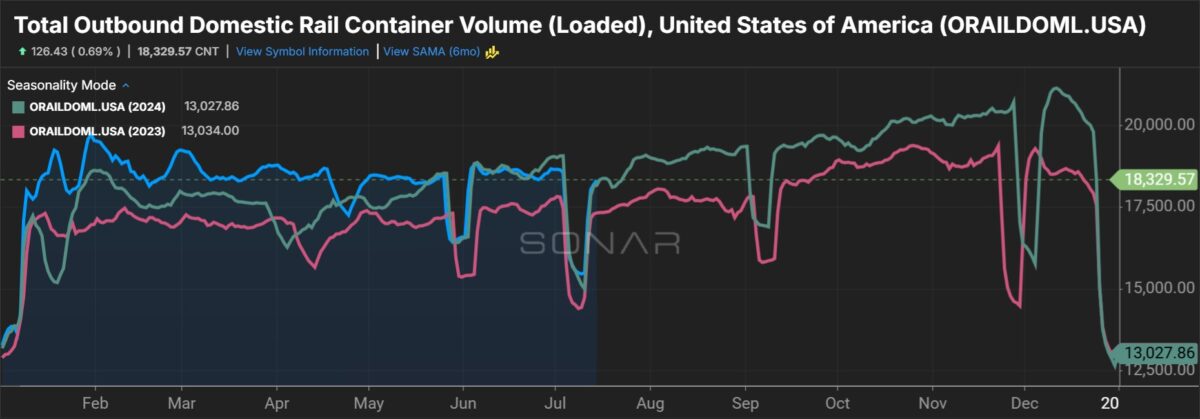
SONAR: Outbound Domestic Rail Container Volume Index for 2025 (blue shaded area), 2024 (green line) and 2023 (pink line). The daily volume of intermodal containers moving in the United States, Canada and Mexico. The index is a 7-day moving average using the date that containers were in-gated at a point of origin. Intermodal trailers (trailer-on-flatcar, or TOFC) are excluded. To learn more about SONAR, click here.

During the recent intermodal bid season, the company captured positive rate increases for the first time in two years. However, positive pricing in head haul lanes, was partially offset by pricing weakness in back haul lanes. While management was hopeful for bigger rate increases, it said the modest increases it received along with a reduction in its cost profile has allowed it to stabilize margins in the unit.

The unit’s operating ratio (inverse of operating margin) deteriorated 40 basis points y/y to 93.3%. The result was 30 bps better than the first quarter.

J.B. Hunt’s key performance indicators – Intermodal

Dedicated unit to return to net truck additions

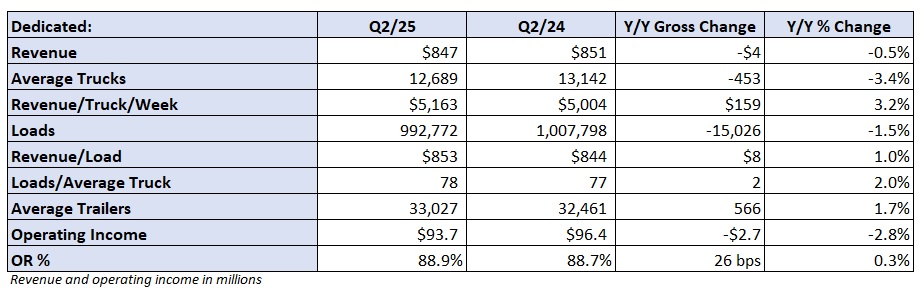
Dedicated revenue dipped less than 1% y/y to $847 million as a 3% decline in average trucks in service was largely offset by a 3% increase in revenue per truck per week (up 5% excluding fuel surcharges).

The company sold service on 275 trucks during the quarter, all of which was offset by customer attrition. It said planned account closures covering 85 trucks spilled into July, which positively impacted the period. The delays, however, could impact a prior expectation for y/y operating income growth in the unit this year.

J.B. Hunt reiterated a longer-term goal for net growth of 800 to 1,000 units annually. It expects to return to net fleet growth in the back half of this year.

The unit’s OR was 30 bps worse y/y at 88.9%.

J.B. Hunt’s key performance indicators – Dedicated

Brokerage logs 10th straight operating loss, cost profile improves

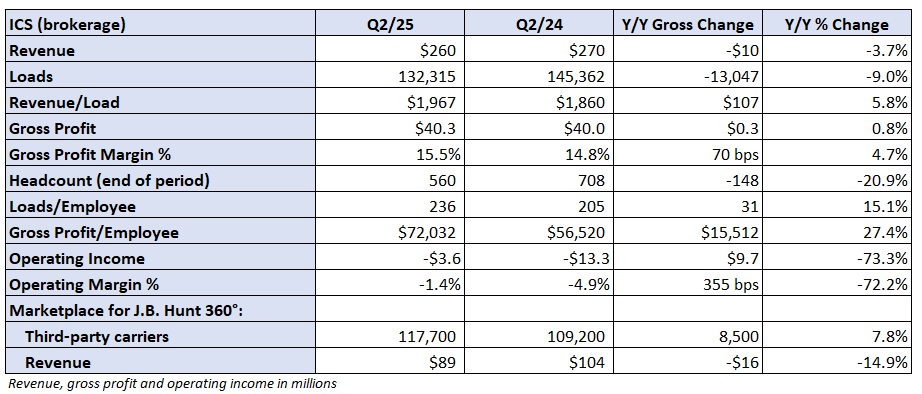
The second quarter marked 10 straight operating losses for the brokerage unit. The segment booked a $3.6 million loss in the period, nearly $10 million better y/y but $1 million worse than the first quarter.

Revenue declined 4% y/y to $260 million as a 9% decline in loads was partially offset by a 6% increase in revenue per load.

J.B. Hunt’s key performance indicators – Brokerage

May saw some market tightening due to an annual safety blitz known as Roadcheck. That led to compressed margins during the month as purchased transportation expenses increased around the event. However, margins improved in June as spot rates softened. Recent account awards in the unit carried low- to mid-single-digit rate increases.

A portion of the consolidated cost reduction plan is tied to cost takeouts in the brokerage unit. Head count was down 21% y/y (nearly level with the first quarter at 560 employees). Loads per employee in the unit grew 15% y/y and gross profit per employee was up 27% y/y.

Shares of JBHT were off 1.1% in after-hours trading on Tuesday following a 2.2% decline during the full-day session.

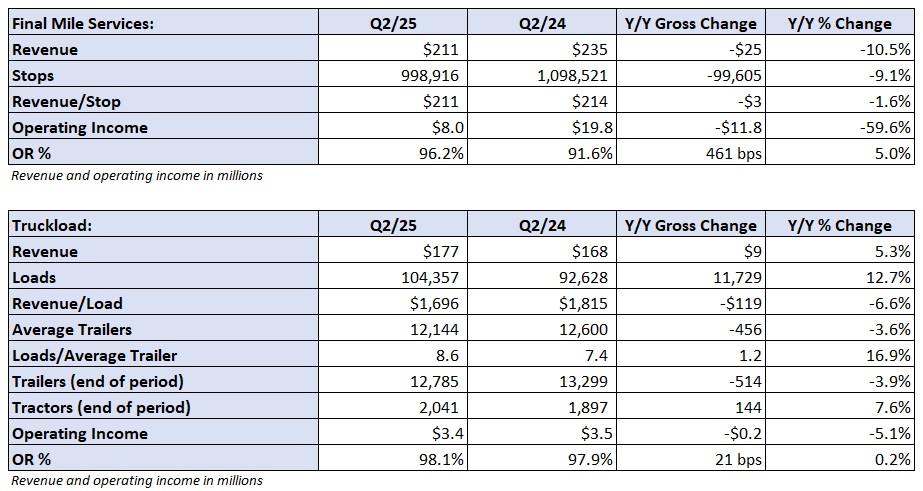
J.B. Hunt’s key performance indicators – Final Mile Services and Truckload

More FreightWaves articles by Todd Maiden:

Democrats: Trump’s immigration focus undermines war on cargo theft

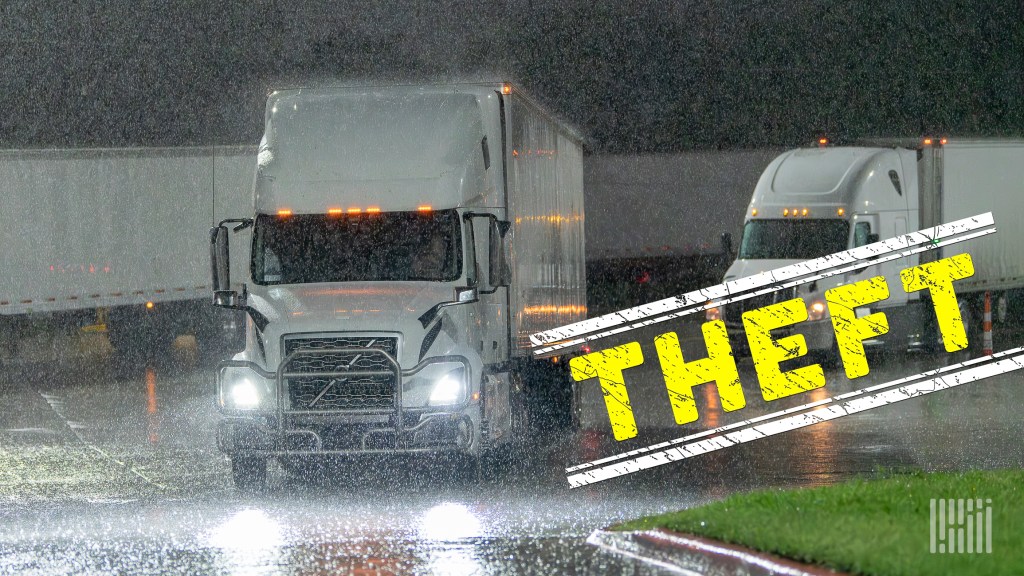
Truck with theft imposed on picture

WASHINGTON — Legislation created to address the cargo theft crisis across the U.S. is being undermined by the Trump administration’s focus on illegal immigration, according to Senate Democrats.

The Combating Organized Retail Crime Act of 2025, introduced in both the House and Senate in April, would set up a coordinated multiagency federal response to organized cargo and retail theft and make it easier to prosecute the crime groups responsible.

But Sen. Dick Durbin, D-Ill., who supports the bill, said that thousands of agents at the Department of Homeland Security have been told to shift their priority to deporting illegal aliens, based on President Trump’s executive orders.

“Let’s put the cards on the table,” Durbin said at a hearing on cargo theft held by the Senate Judiciary Committee on Tuesday.

“If anyone’s involved in illegally being in the U.S., undocumented or otherwise, that has engaged in criminal activity that endangers themselves and others, they should be removed, prosecuted, or never let in [to the country] in the first place.

“But to say we’re worried about whether someone who’s cutting grass on a golf course today is undocumented, and that we ought to put the resources of the federal government into putting him into a detention facility and deporting him, is that a priority over what we’re discussing today? Not in my book.”

The hearing was the third this year held to spotlight the rise in cargo theft as costs and safety risks rise in proportion.

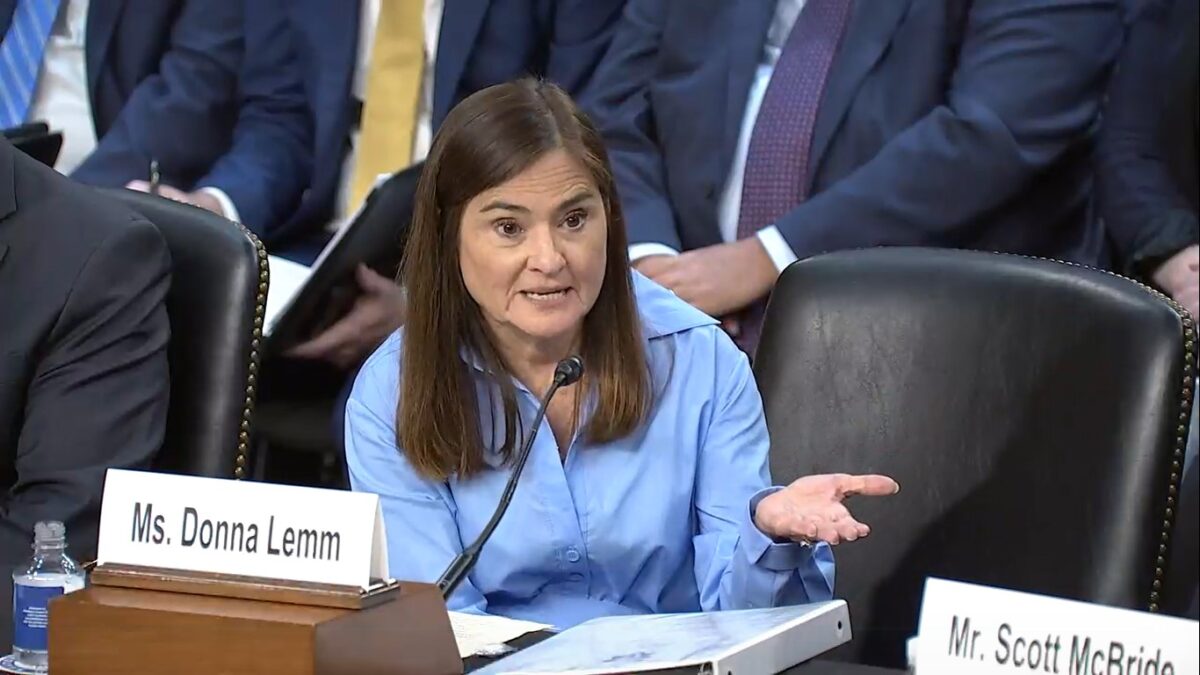
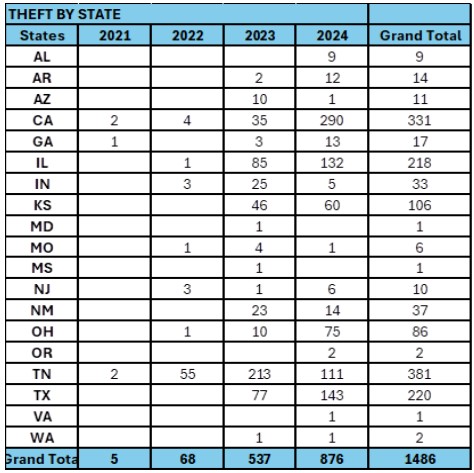
Donna Lemm, chief strategy officer of Collierville, Tennessee-based IMC Logistics, an intermodal logistics company specializing in moving ocean containers to and from major seaports and rail hubs, told lawmakers at the hearing that cargo theft at her company has exploded from five incidents in 2021 to 876 in 2024.

Lemm testifying on Tuesday. Credit: U.S. Senate

“We’re talking about hundreds of thousands of dollars stolen in incidents across the United States with no resolution,” said Lemm, testifying on behalf of the American Trucking Associations.

IMC Logistics operates approximately 1,900 power units and employs over 2,000 drivers, according to FMCSA data.

Lemm recounted an elaborate plot by fraudsters in 2023 to impersonate a real motor carrier that ended in five full cargo loads being stolen.

“The scheme involved outfitting a truck with fake placards and printing counterfeit IDs for the drivers. IMC Logistics’ chassis were equipped with GPS units, but the criminals were savvy enough to disable them within 20 minutes of leaving our lot. The total value of the lost cargo was substantial.”

Cargo thefts occurring at IMC Logistics. Source: IMC Logistics.

Lemm described another incident in which two containers of appliances were stolen from a company facility in St. Louis, which was reported for insurance purposes but no arrests were made. Several months later the Bureau of Alcohol, Tobacco, Firearms and Explosives called.

“They had stumbled across our appliances in a warehouse that they raided. These refrigerators were being stuffed with cash to smuggle money across the southern border.

“This is not just an insurance matter. Cargo crimes, if connected, can help us link these operations orchestrated by transnational criminals. Brazen heists like these put our whole supply chain and workers in harm’s way.”

But connecting the dots on cargo crime at local, state, and federal levels will be difficult, Democrats asserted, without deploying sufficient assets.

“There are dozens of experienced people who focused on these kinds of crimes who are no longer [at DHS],” said Sen. Mazie Hirono, D-Hawaii, at the hearing.

“We can pass whatever laws we want, but unless there is that commitment to enforcement at the federal level we’re going to continue to run into resource problems.”

Click for more FreightWaves articles by John Gallagher.

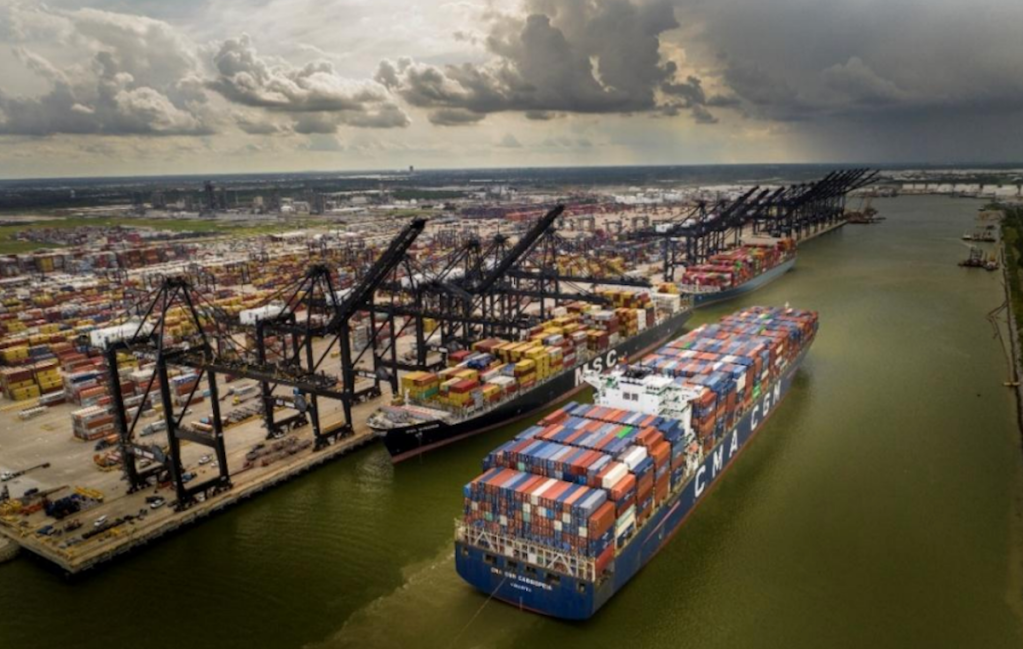
FMC investigating Port Houston pacts with container carriers

The Federal Maritime Commission has initiated a probe into the Terminal Service Agreements (TSAs) between Port Houston and several major container lines.

The agency said in a July 11 filing that the nonadjudicatory investigation will examine the Terminal Service Agreements (TSAs) between Port Houston and several major container lines, to determine if these agreements compel certain carriers to route a percentage of their loaded containers through Port Houston and away from competing Gulf hubs.

A TSA is a contract between port and carrier spelling out the terms and conditions for the use of port facilities and services.

At the heart of the inquiry is the Commitment Clause and Shortfall Amount embedded within these TSAs. These provisions potentially obligate participating carriers including CMA CGM, Evergreen Line Joint Service, Hapag-Lloyd (OTC: HLAGF), Maersk Line, Mediterranean Shipping Co., and Zim Integrated Shipping Services Ltd. (NYSE: ZIM) to ensure a specific volume of container traffic through the Texas gateway.

The FMC’s Bureau of Enforcement, Investigations, and Compliance (BEIC), will scrutinize the circumstances leading to the formation, signing, and enforcement of these clauses, the filing stated.

Houston handled a record 4.12 million twenty foot equivalent units (TEUs) in 2024, up 8% y/y.

Find more articles by Stuart Chirls here.

Related coverage:

June box record for Port of Los Angeles 

China-US container trade trending down as peak season nears

Container Q2 volumes up 4.4% for OOCL parent 

Longshore unions to unite for ‘anti-automation’ protest

First Look: J.B. Hunt Q2 earnings

JB Hunt 360box trailers at a loading dock

J.B. Hunt Transport Services’ second-quarter result was largely in line with analysts’ expectations.

The Lowell, Arkansas-based multimodal transportation provider reported earnings per share of $1.31 for the period after the market closed on Tuesday, which was 1 cent below the year-ago result.

Consolidated revenue of $2.93 billion was in line with consensus and flat year over year. Operating income dipped 4% y/y to $197 million.

Click for full report – “J.B. Hunt still waiting for market to turn”

Table: J.B. Hunt’s key performance indicators – Consolidated

The company’s flagship intermodal unit reported a 2% y/y increase in revenue to $1.44 billion as a 6% increase in loads was partially offset by a 3% decline in revenue per load. A mix shift to the Eastern network weighed on the yield metric given the shorter length of haul. The unit’s operating ratio (inverse of operating margin) deteriorated 40 basis points y/y to 93.3%.

Dedicated revenue dipped less than 1% y/y to $847 million as a 3% decline in average trucks in service was largely offset by a 3% increase in revenue per truck per week (up 5% excluding fuel surcharges). The unit’s OR was 30 bps worse y/y at 88.9%.

A $3.6 million operating loss in the company’s brokerage segment widened slightly from the first quarter, but was nearly $10 million lower y/y. Brokered loads declined 9% y/y but revenue per load was up 6%.

J.B. Hunt (NASDAQ: JBHT) will host a call at 5 p.m. EDT on Tuesday to discuss second-quarter results.

Click for full report – “J.B. Hunt still waiting for market to turn”

Table: J.B. Hunt’s key performance indicators – all segments

More FreightWaves articles by Todd Maiden:

Yellow Corp. to sell 4 terminals for $6.9M

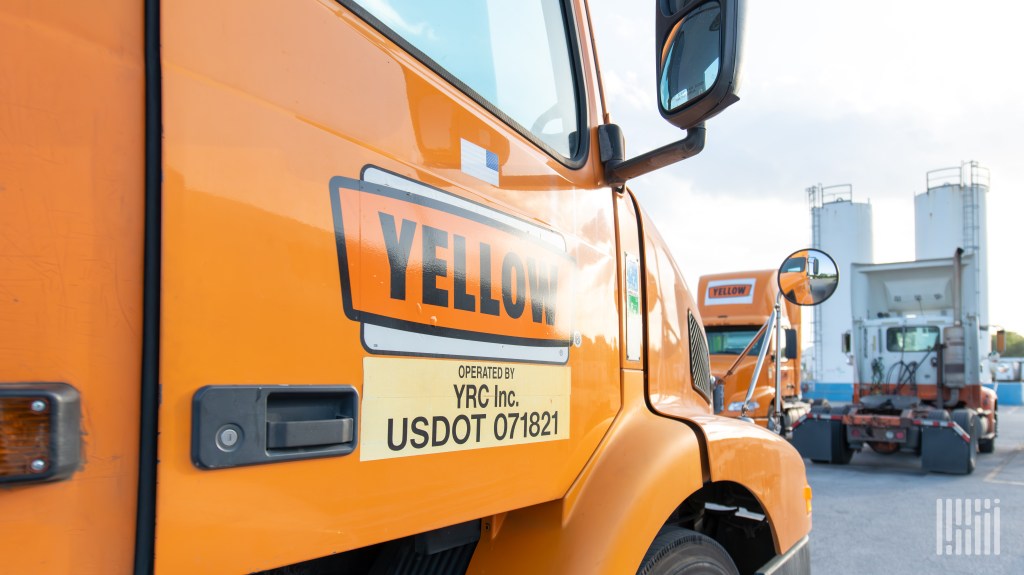
A Yellow tractor parked at a terminal

Defunct Yellow Corp. has entered a request with a federal bankruptcy court in Delaware to sell four terminals for $6.85 million, according to a Monday filing.

The purchase agreements for the owned properties include a 38-door terminal near Long Island, New York valued at $4 million, a 39-door service center near Omaha, Nebraska ($2 million), a 20-door facility near Atlantic City, New Jersey ($600,000), and a 15-door location in Alexandria, Louisiana ($250,000).

The buyers appear to include various real estate and other investor groups.

Proceeds from the sales will settle claims against the estate, including employee claims for PTO, sick time and amounts sought under the Worker Adjustment and Retraining Notification Act.

The bankrupt less-than-truckload carrier has liquidated more than 210 terminals for nearly $2.4 billion since filing for bankruptcy in 2023.

More FreightWaves articles by Todd Maiden:

Large union, U.S. Postal Service finalize 3-year contract

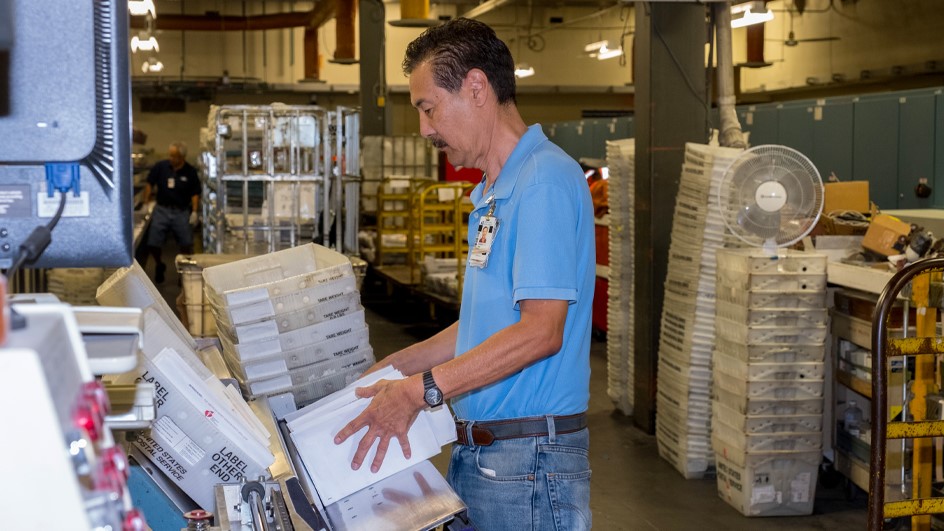
A male U.S. Postal Service worker in a blue shirt moves letter bins at a processing center.

The American Postal Workers Union, which represents more than 190,000 clerks, mechanics, vehicle drivers, custodians and administrative personnel, has ratified a new three-year labor contract with the U.S. Postal Service that will run through Sept. 20, 2027.

The deal covers annual general wage increases, full semi-annual cost-of-living adjustments, recruitment and retention, work rule changes, the first differential increase for night work in 30 years, and use of postal support employees to provide the agency operational flexibility.

The contract was approved last week by 95% of members who voted, but turnout was low with only about 36,000 members participating, according to APWU figures. A letter carrier, who spoke on condition of anonymity and is represented by a different union, said voter apathy is increasingly common with some workers believing their vote doesn’t count or disillusioned with their leadership.

“This contract, with no givebacks or concessions, provides a strong foundation for us to build on in the years to come,” said APWU President Mark Dimondstein in a news release.  “At a time when government workers are facing layoffs and attacks on their union rights, this contract will protect postal workers through the turbulent years ahead.” Dimonstein signed the final contract on Friday.

The union, which is affiliated with the AFL-CIO, said the contract protects previous gains, including protections against layoffs, regular step increases and an automatic conversion for temporary workers to permanent status after two years.

Groups that want to keep down Postal Service costs, such as bulk mailers and small-government advocates, sometimes point to APWU jobs as a savings opportunity because clerks who handle bulk loads and sort mail make more money than counterparts at FedEx or UPS, where warehouse work is considered an entry-level job. Clerks, however, work in a variety of areas, including retail sales at post offices, call centers and administration.

“This agreement is fair and balanced. It addresses both parties’ bargaining objectives in a financially responsible manner, and importantly, supports our mission to modernize postal operations to better serve the needs of our customers and provide first-in-class service,” said acting postmaster general Doug Tulino, in a statement. 


Click here for more FreightWaves/American Shipper stories by Eric Kulisch.

USPS hikes parcel rates and stamps by 7%

Australia Post rolls out parcel-only post offices

Check Call: Cross-border volumes surge ahead of possible tariffs

(GIF: GIPHY)

Trade between the U.S. and Mexico continues to surge, fueled in large part by nearshoring trends and tighter regional supply chains. In May, U.S.-Mexico trade volumes reached an impressive $74 billion, according to the latest data from the U.S. Census Bureau. That figure marks a 2.64% increase from the same time last year, with key growth areas in automotive parts, computers, agricultural products, and electronics.

Laredo, Texas, once again stood out as the busiest international gateway for trade, processing over $27.6 billion in total imports and exports. Much of that movement was truck-based, with the port recording nearly 300,000 commercial crossings in May alone. This sustained growth signals continued opportunity, but looming trade tensions could complicate the road ahead.

The Trump Administration recently announced a proposal to reinstate broad tariffs on Mexican imports if re-elected, calling for a 30% tariff on all goods coming from Mexico. Tariffs at this scale would likely introduce volatility into what has recently been one of the most stable growth areas for freight.

A fresh ruling by the U.S. Commerce Department in late June reinstated a 17.56% tariff on Mexican fresh tomatoes, a staple in U.S. grocery imports. Produce industry experts warn that prices could jump 30% or more in the coming months, especially as buyers seek alternative sources. Any cost shift like this could ripple across reefer capacity and affect seasonal planning for brokers that move perishable goods.

Despite this uncertainty, nearshoring remains a long-term force reshaping North American freight. As more companies relocate manufacturing from Asia to Mexico, cross-border freight continues to solidify its importance. But the prospect of sweeping tariffs injects a new layer of unpredictability that supply chains must be prepared for.

With U.S.-Mexico trade showing no signs of slowing, watching regulatory developments while reinforcing their relationships on both sides of the border will become paramount. 

Get the full edition of the newsletter in your inbox every Tuesday

Modernization of Cross-Border Trade event draws industry experts to Laredo, TX

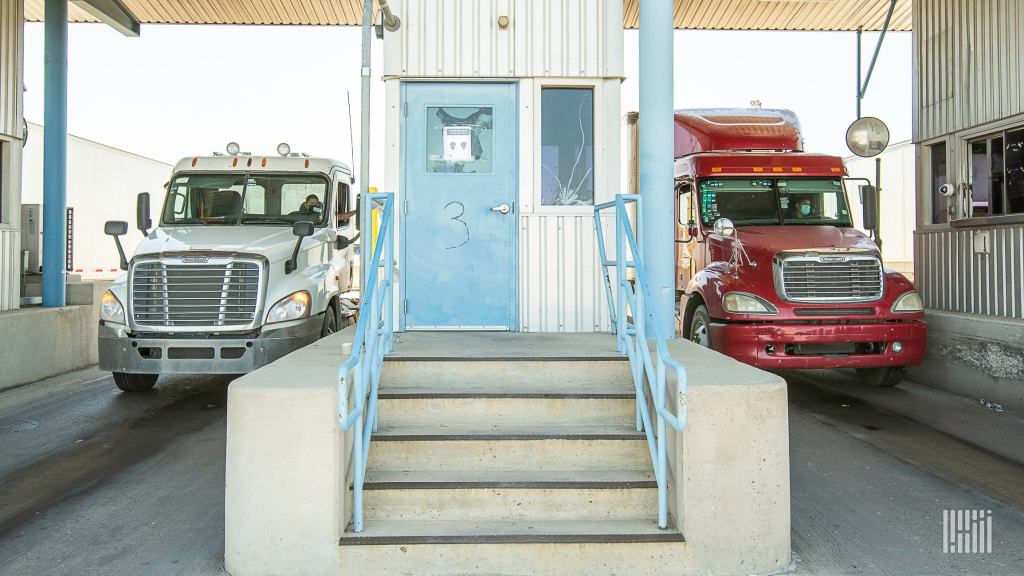
trucks at border crossing

In the ever-evolving landscape of cross-border trade between the U.S. and Mexico, Reliance Partners continues to foster collaboration and expertise with annual Modernization of Cross-Border Trade events. 

Held on June 17, 2025, at the Laredo Country Club in Laredo, Texas, the 8th Annual Modernization of Cross-Border Trade event drew in over 500 logistics professionals. 

2025 featured a strong sponsor lineup, including Cargado, Monex USA, Volvo Trucks, Evans Transportation, Werner, Dunavant, Atlantic Logistics, and more, with complimentary admission for all logistics providers, shippers, and freight brokers.

What started eight years ago as an insurance-focused gathering has evolved into a premier industry forum where cross-border technology disruptors, logistics firms expanding into Mexico, and capacity providers connect and collaborate. 

This year’s speakers highlighted the following topics:

  • What to expect from the 2026 United States-Mexico-Canada Agreement review upon the election of President Donald Trump and Mexican President Claudia Sheinbaum
  • How and when to leverage cross-border warehouse space
  • What cross-border investment firms are looking at in 2025
  • Cross-border partner vetting
  • Practical technology for cross-border in 2025
  • U.S.-Mexico customs brokerage panel with Customs and Border Protection

The Need for Cross-Border Insurance

At the core of the event’s discussions was the vital role of cross-border insurance, a topic that is gaining increasing prominence amid escalating trade volumes and complexities. The importance of having robust cross-border insurance cannot be overstated, particularly as the Mexican cargo landscape presents numerous challenges. With a 3% increase in cargo truck hijacking reported in 2023, the situation is only getting more volatile. 

Mark Vickers, Executive Vice President and Head of International Logistics at Reliance Partners, highlighted key differences between U.S. and Mexican insurance policies. U.S.-issued Mexican cargo insurance is particularly beneficial as it allows claims to be resolved in the U.S., offering more reliable outcomes. In contrast, Mexican cargo insurance often involves lenient liability requirements. Carriers’ liability for cargo damage tends to be capped significantly lower than actual shipment values.

These limitations are coupled with burdensome documentation requirements and exclusions typical to Mexican policies, which often delay claim payouts and complicate logistics operations. Moreover, the negligence-based liability in Mexico means that carriers are only accountable for damages caused by negligence, leaving significant risks for shippers uncovered.

Effective insurance has become a more crucial need than ever. Cross-border insurance helps to ensure continuity and mitigate risk. Every cross-border operation needs stability when it comes to an uncertain environment. 

The 8th Annual Modernization of Cross-Border Trade event featured a range of thought-provoking panels covering topics such as cross-border disruption, Mexican cargo insurance, and strategies for expanding capacity. The participation level and diversity of attendees spanned shippers, freight brokers, U.S. and Mexican carriers, customs brokers, warehouse operators, logistics tech companies, and investors.

Many event participants validated the necessity for progress and preparedness in regards to this topic. “It starts with great people, and this event truly brought them together,” said one attendee. 

One industry professional noted, “If you’re investing in cross-border and you aren’t in Laredo at this event, you’re missing out.” Another echoed, “This event showcases how fast the space is evolving and how important it is to be part of the conversation.”

Reliance Partners’ Cross-Border Solutions

In response to these challenges, Reliance Partners has developed the Borderless Coverage program. This innovative program is specifically designed to connect shippers, carriers, and brokers with U.S.-based underwriters who specialize in Mexican cargo insurance. The program aims to eliminate the uncertainties of traditional policies by ensuring expedited claims payments directly to the shipper, thus maintaining operational flow while supporting cost recovery.

Borderless Coverage offers transparent policies that reflect the tangible realities of cross-border risk, thereby shielding shippers from vulnerabilities associated with traditional insurance models. Simplified coverage options reduce unrealistic requirements that often lead to disputes. This model promotes collaboration and partnership rather than tedious policy navigation.

Likewise, Reliance Partners’ Cargo Truck Hijacking Portal is designed to help nearshoring executives, journalists, international logistics professionals and researchers analyze roadway logistics risk in Mexico. The Reliance team compiles, consolidates, and crunches data from Mexico’s federal government’s National Public Security System in order to provide the first and only open source data portal on cargo hijackings in Mexico.

Upcoming News

With nearshoring initiatives gaining momentum, the impetus for robust partnerships and comprehensive insurance solutions remains high. The insights shared at the 8th Annual Modernization of Cross-Border Trade event reinforce the critical nature of insurance in facilitating secure and efficient trade activities across borders.

As the landscape continues to shift (fueled by innovations and policy changes), the role of cross-border insurance as a stabilizing force shouldn’t be overlooked. Industry players need to align towards common goals, and for that they need the knowledge and tools to navigate the complexities of a dynamic trading environment.

Reliance Partners has already set its sights on future engagements, with preparations underway for the 9th Annual Modernization of Cross-Border Trade. Because this is a topic of growing importance, there has to be continued dialogue and collaboration within the trade community. Reliance Partners wants to enhance industry discourse and play a pivotal role in shaping the future of cross-border logistics and insurance.

Click here to learn more about Reliance Partners.