




John Paul Hampstead
Saturday, January 3, 2026
2025’s peak retail season the best for trucking in years
Spot rates and tender rejections exceeded 2024, 2023, and 2022 levels.
Spot rates and tender rejections exceeded 2024, 2023, and 2022 levels.

Truckload rates have increased on a main transcontinental artery, showing that the value of truckload service has grown even though there is less demand for it.
The truckload contract market has fallen into stagnation after what looked like a transition late last year. What are the takeaways heading into the late year bid season?
The widening gap between regional rejection rates underpins the growing fragility of the truckload market.
Capacity is tighter in the Eastern half of the U.S. as carriers appear to be stuck on or targeting the West Coast freight.
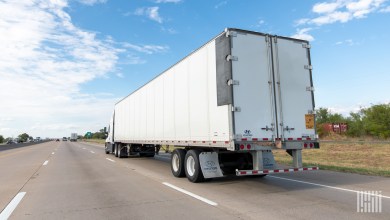
Truckload capacity tightened noticeably during the annual CVSA International Roadcheck inspection period.

Rejection rates that surged over 6% just before Christmas for loads out of Laredo, Texas, have unexpectedly remained elevated.
Hey truckers, listen up! The freight market’s heating up, and it’s looking good for your wallets. Let’s break down what’s happening and what it means for you out on the road.
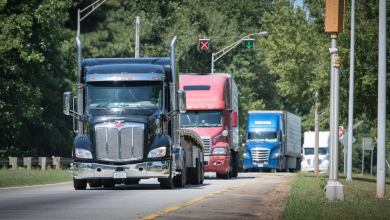
Truckload contract rates are starting to move higher in an environment where they have every reason to continue to fall.
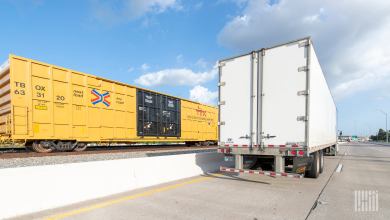
Shipment declines accelerated in July while total freight spend remained under pressure.

Transportation providers are going to have to maintain an aggressive posture when competing for business during the upcoming bid season.

There are some positive signs that the freight market has cleared most of the post-pandemic rubble, but full recovery is still a ways off.

FreightWaves founder and CEO Craig Fuller analyzes truckload contract rates and where they may be headed.

FreightWaves founder and CEO Craig Fuller analyzes the continuing decrease in truckload rates for dry van loads.
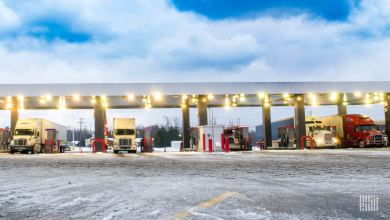
The wild fluctuations in crude oil prices have created a strong disconnect between wholesale and retail diesel prices. What are the impacts on transportation costs and subsequently carrier bottom lines?
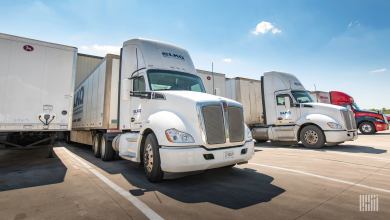
Shippers have been bidding against each other for capacity over the past year with little to show for it, and it appears paying more will not solve the crunch.
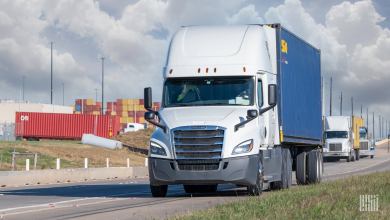
December data from Cass Information Systems shows freight shipments and expenditures continued a surge to close 2021.

Prices have increased 17% but carrier compliance shows only marginal improvement
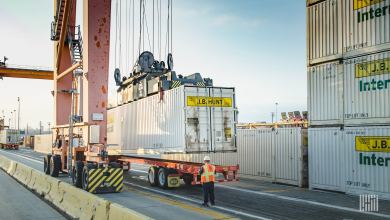
Southern California is the main entry point for imported goods in the U.S. Congestion around rail ramps and deteriorating service pushed shippers to trucking over the summer, but that trend is reversing as truckload costs soar out of the West.
The cost of diesel fuel, a main component in the cost of trucking, is climbing rapidly. This is a hidden factor that is helping keep spot rates elevated.