




Noi Mahoney
Friday, May 29, 2026
From Texas to Tennessee, manufacturers ramp up US production
Companies spanning automotive, steel, energy, food processing and mobility are expanding U.S. operations.
Companies spanning automotive, steel, energy, food processing and mobility are expanding U.S. operations.
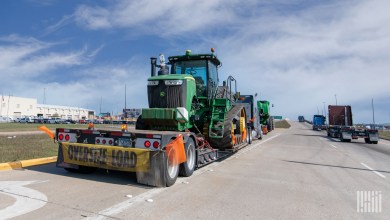
Flatbed rejections have increased sharply in recent months and do not appear to be driven solely by tightening capacity or weather disruptions. The recent tariff ruling could serve as an accelerant to this trend.
John Deere, Rockwell, AOI, SEL and others break ground on plants across Texas, the Midwest and Southeast.

A panoply of socioeconomic factors are weighing on rail freight, as the economy wrestles with signs of strength and uncertainty, a new analysis finds.

SkyWater anticipates growing demand for domestically-sourced semiconductors.
Foxconn has acquired the Fairbanks Logistics Park in Houston and plans to build an AI server manufacturing facility.

The obscure clause in the reconciliation bill that could juice manufacturing investment.

With so many fingers pointed at so many targets, the Q1 GDP data must have been an absolute disaster, right? Well, no.
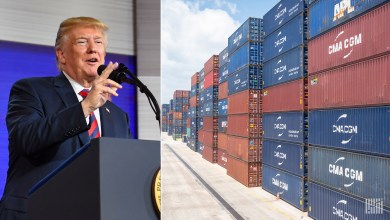
Here’s a sector-by-sector breakdown of how major players are reacting to the mounting pressure of tariffs and retaliatory trade measures.
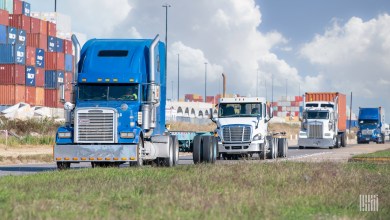
Demand for loads moving less than 100 miles has been resistant to the intermodal shift. Its representation of consumer and manufacturing activity could be the key to staying on top of the economy amid extreme uncertainty.
America must forge its own path to reindustrialization.

The difficulty in comparing “hard” versus “soft” data is that sentiment influences decisions that will eventually bear out in the hard data.

In the run-up to Tuesday’s promised barrage of tariffs against Mexico, Canada and China, the U.S. industrial sector is not looking so hot — a dark omen for domestic freight demand.

If consumers were able to keep pace with the incredible inflation of the early pandemic, they should be able to weather any storm kicked up by tariffs.
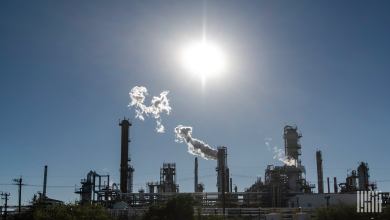
New tariffs pose a significant challenge for U.S. refiners, who are already grappling with declining profit margins.

Even cars assembled in the U.S. are not exempt from tariff shocks, as components from Mexico and Canada account for roughly 10% of the value of U.S.-built cars, with an additional 5% to 6% coming from Chinese inputs.

Businesses are heading into 2025 with lean inventories and high demand from consumers.
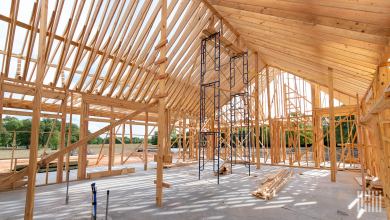
Consumers’ growing pessimism could trigger a pullback in discretionary purchases, directly weighing on trucking demand.

Despite encouraging signs, the U.S. manufacturing sector remains in the early stages of recovery.

Electric truck maker Nikola Corp. says foul play is suspected in a fire that damaged multiple trucks on Friday.