Intermodal strength keeps US rail volume ahead of 2024 levels
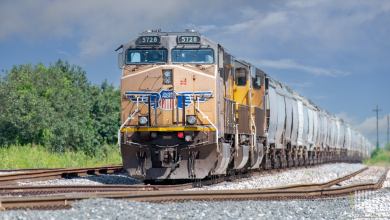
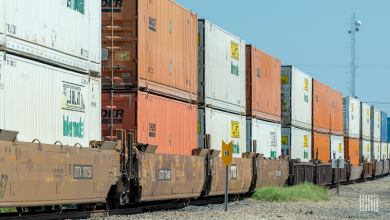
Intermodal volumes boosted weekly U.S. rail traffic even as overall carloads slipped compared to the same week in 2024.
Weekly U.S. rail traffic showed a slight uptick over 2024 in the first report from the Association of American Railroads for 2025. Overall volume for the week ending Jan. 4 was 421,410 carloads and intermodal units, a 1% increase over the first week a year ago. That included 198,500 carloads, down 4.6%, and 222,910 containers […]
Intermodal continues to pace weekly U.S. rail traffic while carloads edged downward, according to the Association of American Railroads.
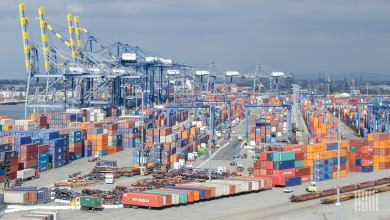
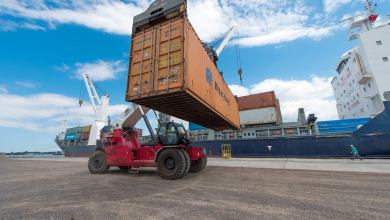
Continuing consumer demand and frontloading by importers in November helped the Port of Los Angeles to double-digit gains in container volumes.
U.S. rail traffic is back on track after November swings, with intermodal gains outpacing weaker carloads.
The Port of Los Angeles posted record container volume in October on resilient consumer spending and a strong economy.
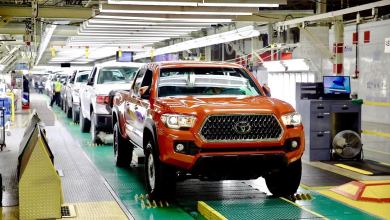
This week in Borderlands: Toyota pumping $1.45B into Mexico to boost Tacoma production; Union Pacific to serve Volkswagen hub at Texas seaport; South Korean freight transporter to open subsidiary in Mexico; and Nefab expands in Arizona with warehousing and logistics facility.
The Surface Transportation Board has taken Union Pacific to task for an ongoing lack of cooperation in a new decision on the railroad’s effort to construct a 6-mile rail line in Arizona’s Maricopa and Pinal counties.
Union Pacific Corp. in the third quarter saw double-digit gains for income and earnings on modest carload volume improvement and lower fuel prices.
An early peak shipping season, strong economy and resilient consumer spending boosted container volume to a record quarter at the Port of Los Angeles.
As BNSF Railway, CSX and Norfolk Southern continue to sign tentative contract agreements with their labor unions well in advance of the start of national negotiations, one U.S. Class I railroad has been conspicuously absent: Union Pacific.
U.S. railroads see the highest weekly intermodal traffic since the pandemic, and ongoing supply chain issues could aid further gains as a threatened longshore strike creeps closer.
Minnesota’s federally mandated State Freight Plan identifies key areas for investment in the statewide transportation system to ensure goods movement that is safe, efficient and sustainable.
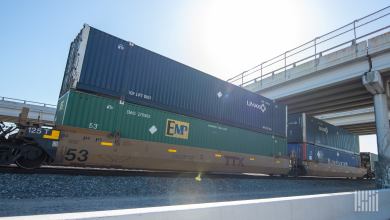
As eastbound import traffic continues to grow, Union Pacific announced surcharges for its premium EMP and UMAX services out of the Southern California gateway.
Construction continues on a Chicago bridge project designed to reduce delays and improve flow by untangling freight and passenger rail lines.
Union Pacific’s profits rose in the second quarter despite a sharp drop in coal traffic.
This week in Borderlands: Evans Transportation launches cross-border service amid trade boom; TexAmericas Center receives Union Pacific “focus site” designation; Chemvest Holdings US acquires Texas rail-served industrial park; and DHL Express expands retail presence in Houston area.
This week in Borderlands: Port of Eagle Pass, Texas, fastest-growing border crossing in the U.S.; Port of Brownsville snags Westa flour mill; Siete Leguas Automotive opens $54M factory in Durango, Mexico; and CBP intercepts $18M worth of meth in shipment of squash.
Union Pacific CEO Jim Vena defended the railroad’s safety record, which recently has come in for criticism from Federal Railroad Administration Chairman Amit Bose.
Union Pacific recently won a state court ruling in a legal battle to close a rail car shop in Palestine, Texas.