Union Pacific, Norfolk Southern submit more merger data
Union Pacific and Norfolk Southern submitted initial responses to the Surface Transportation Board’s request for additional data regarding their proposed transcontinental rail merger.
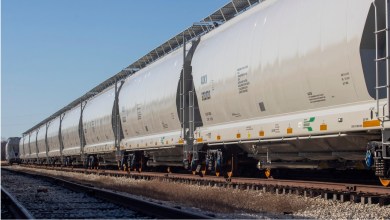
Railroads continue to play a significant role in North America’s economic infrastructure. According to the U.S. Department of Transportation Federal Railroad Administration, the U.S. rail freight network covers almost 140,000 route miles and is generally considered the largest, safest, and most cost-efficient freight system in the world. In addition, says the FRA, the almost $80 billion rail freight industry creates more than 167,000 jobs across the country.
In essence, rail freight companies charge businesses to carry cargo across their network of rails. Their rates are overseen by the Surface Transportation Board, a federal agency that regulates financial aspects of surface transportation. Major railroads in North America include Union Pacific Railroad, BNSF Railway, CSX, Norfolk Southern, Canadian Pacific Kansas City and Canadian National Railway.
Keep up with the latest news, trends and reports concerning rail freight transport here!
Union Pacific and Norfolk Southern submitted initial responses to the Surface Transportation Board’s request for additional data regarding their proposed transcontinental rail merger.
A stagnant market for rail freight fleet replacement saw lower railcar deliveries weigh on revenue and profits at Greenbrier
Truck transportation job growth has eked out a small gain this year, but is way below a year ago.
Rising fuel and trucking costs have caused a rail volume surge, slowing down major U.S. railroads.
Intermodal traffic and industrial products continue to lead resurgent volumes across U.S. railroads.
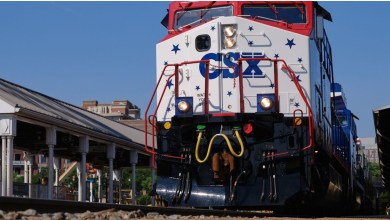
CSX rolled out its U.S. 250th commemorative locomotives in Washington where it claims the title as the sole Class I freight railroad.
The Laredo Gateway Industrial Railway project aims to expand short rail access for cross-border cargo between the U.S. and Mexico.
The world’s second-biggest ocean container line makes a major rail shift for boxes moving inland out of Southern California.
International Longshore and Warehouse Union workers called the first strike in decades against a major California sugar processor.
The Oregon International Port of Coos Bay secured a $25 million federal grant to advance planning for the West Coast’s first fully ship-to-rail intermodal terminal.
Norfolk Southern’s CEO says the railroad is prioritizing both improving current service and pursuing a merger with Union Pacific.
Surging intermodal volumes and industrial products paced gainers for U.S. railroads in the latest weekly data.
U.S.-based Americold plants a flag in Canada as part of a rail-maritime cold chain integration with CPKC and DP World.
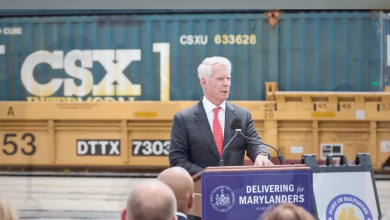
CSX officially opens a $495 million tunnel project in Baltimore to increase container traffic along the I-95 corridor and at the city’s port.
A local city council has approved a massive intermodal project BNSF positioned as a linchpin for the future of rail freight originating at the busiest U.S. container complex.
U.S. railroads notched up freight traffic in the latest week, as total volumes more than doubled growth year-to-date.
Retailers of agricultural products say they’ll be whipsawed by higher freight rates and poorer service if a proposed transcontinental railroad merger is approved.
FreightWaves Today discussed the rail markets surge, transportation management systems automation and FMCSA regulatory vetting during Wednesday’s live show.
Freight on U.S. railroads continues to outpace year-ago traffic in the latest trackside data.
Investigators say organized cargo theft crews continue targeting Arizona rail corridors, with train burglaries occurring up to a dozen times each month across Northern Arizona.