




John Kingston
Wednesday, June 11, 2025
Logistics GDP share rose in ’24, not likely to drop: CSCMP report
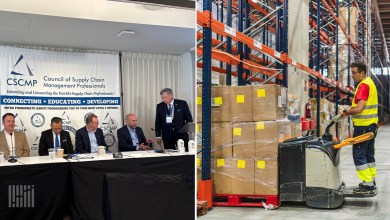
Logistics’ share of US GDP rose in 2024, and CSCMP doesn’t see it declining any time soon.
Railroads continue to play a significant role in North America’s economic infrastructure. According to the U.S. Department of Transportation Federal Railroad Administration, the U.S. rail freight network covers almost 140,000 route miles and is generally considered the largest, safest, and most cost-efficient freight system in the world. In addition, says the FRA, the almost $80 billion rail freight industry creates more than 167,000 jobs across the country.
In essence, rail freight companies charge businesses to carry cargo across their network of rails. Their rates are overseen by the Surface Transportation Board, a federal agency that regulates financial aspects of surface transportation. Major railroads in North America include Union Pacific Railroad, BNSF Railway, CSX, Norfolk Southern, Canadian Pacific Kansas City and Canadian National Railway.
Keep up with the latest news, trends and reports concerning rail freight transport here!
Logistics’ share of US GDP rose in 2024, and CSCMP doesn’t see it declining any time soon.
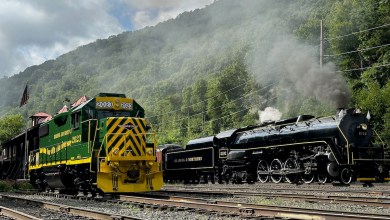
The Reading & Northern Railroad has promoted executive Jim Raffa to vice president, marketing and sales.
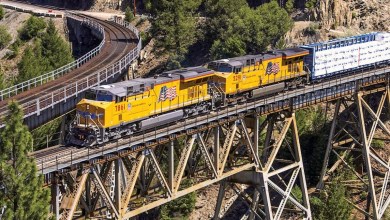
The largest U.S. railroad is taking a customer-focused approach as it deploys technology across it 32,000-mile system.
Carload freight showed solid growth in May, but a marked decline in containers and trailers signals caution for the second half of this year.
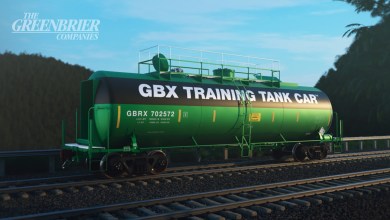
Rail is one of the safest options in the transportation industry, and Greenbrier continues to advance that operational safety through innovation. The company’s latest initiative—the GBX Training Tank Car—represents a significant advancement in tank car education. Built from an actual tank car, this mobile classroom delivers hands-on safety instruction and technical training. “Rail safety is […]
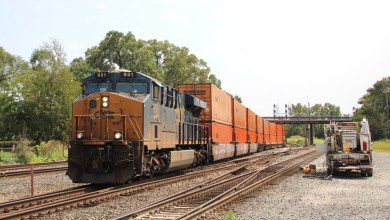
CSX’s on-time performance in May, measured by trip plan compliance for intermodal and carload shipments, returned to December levels.
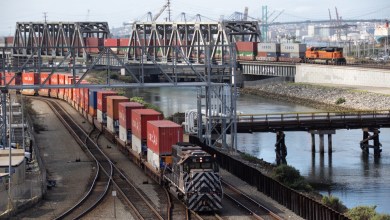
History doesn’t provide a road map for how intermodal traffic may perform in the midst of a trade war, analyst Larry Gross says.
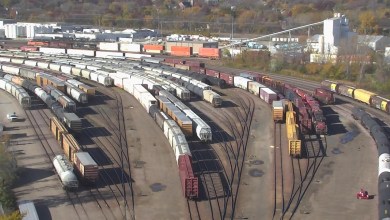
Shortline operator Regional Rail expanded its network with the acquisition of Minnesota Commercial Railway.
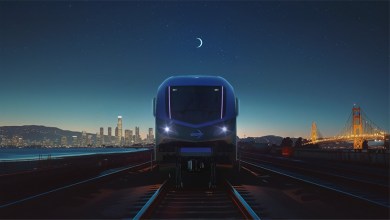
A California startup wants to repurpose a lightly used freight route for a luxury overnight train connecting Los Angeles and San Francisco.

Short line Cumberland & Knox made its debut last weekend with a 56-mile run in Maine.
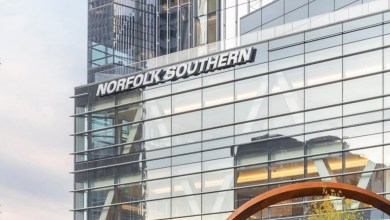
Norfolk Southern board chair Claude Mongeau, who guided the panel after a failed takeover, has resigned.
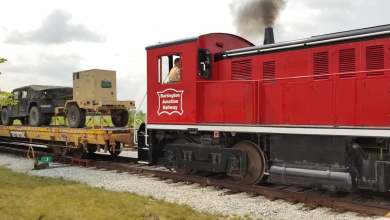
BNSF Railway introduced the First Mile/Last Mile team dedicated to development of single-carload traffic.
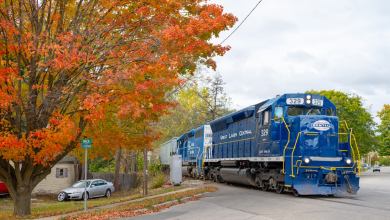
The Surface Transportation Board has opened a formal review of Watco’s acquisition of Michigan rail short line Great Lakes Central.
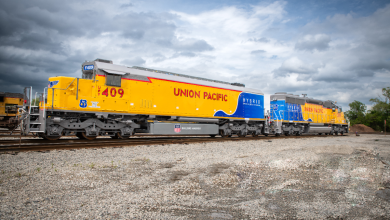
Union Pacific and partner ZTR said they have completed testing of a hybrid battery-electric locomotive.
J.B. Hunt Transport Services has expanded its premium intermodal offering, Quantum, to businesses in Mexico.
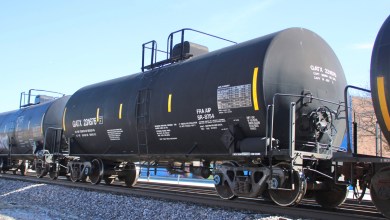
Wells Fargo is selling its rail leasing equipment business to a joint venture of GATX Corp. and Brookfield Infrastructure.

The U.S. Supreme Court overturned a lower court ruling, clearing the way for a rail line that would move Utah crude oil to the national rail network.
Freight on U.S. railroads posted another win against year-ago shipments.
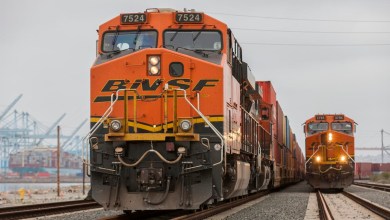
In the calm before the surge, BNSF is confident its network can handle the coming wave of import containers from Asia.
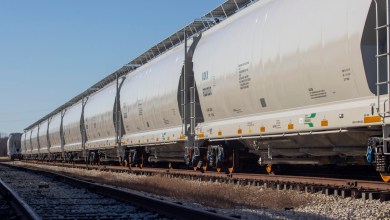
The Greenbrier Cos. has added Ted Baun as senior vice president of its North American commercial team.