Tariffs and retail prices: What consumers need to know
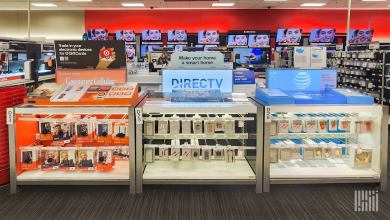
Consumers are concerned that imposing tariffs means retailers will raise the price of goods. But retailers are likely to look for other sourcing options and new strategies.
China isn’t about to let its export market go belly-up. Instead, it will do what it always does – pump money into its industries to soften the blow of U.S. tariffs.
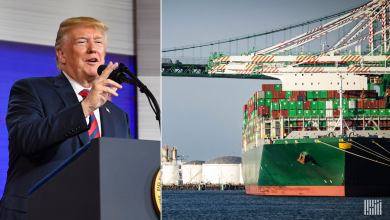
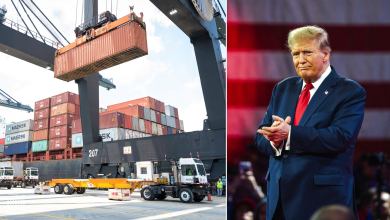
Donald Trump’s election victory has huge implications for U.S. trade and tax policies, climate change, the war in Ukraine, electric vehicles, and illegal immigration. Here is a summary of policies he has said he will pursue in his second term.
COVID-19, a shift in China’s main focus, an imbalance in U.S. trade with China and more all mean reassessing how nations engage with global trade.
For months now, it has been clear that shippers have frontloaded record imports to the country, largely to avoid expected tariffs.
President-elect Donald Trump’s campaign focused heavily on tariffs against China. Now that he’s won, tariffs are getting a lot of attention. But the issue has more than economic implications. It is about national security.
Importers with the National Retail Federation fear a second Trump administration could hurt business with higher tariffs on consumer goods.
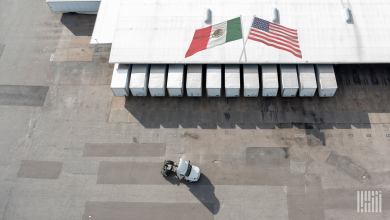
This week in Borderlands: Gulf Coast ports slam US tariffs on Chinese container cranes; Volkswagen inaugurates $114M Gulf Coast shipping hub in Texas; Southeastern Freight Line launches direct route to New Mexico; and Warehouse On Wheels opens location in Mexico.
Presidential nominee Donald Trump calls for 200% tariffs on John Deere tractors if the company moves more jobs to Mexico.
A new White House effort to reduce the amount of online orders from China that enter the country duty free isn’t likely to interrupt the Shein and Temu business, but could have ramifications for U.S. consumers and retailers.
Canada is launching a 100% tariff on imports of electric vehicles made in China, citing unfair competition that it says threatens the global EV market.
China-based companies continue to ship more goods to the U.S. through countries like Thailand and Mexico to circumvent steep tariffs, say U.S. manufacturers and lawmakers.
U.S. officials announced a delay on the start of new tariff increases on Chinese imports, including a 25% tariff on China-made ship-to-shore cranes.
Port Houston saw a surge in container exports in June, while crude oil exports rose at the Port of Corpus Christi.
Direct-to-consumer tech provider ESW is partnering with UPS to offer e-commerce brands quicker access to cross-border shipments.
The ports of Los Angeles and Long Beach are turning to heavy-handed tactics to address a container logjam that is gumming up supply chains.
FlavorCloud has secured $6.3 million in funding to help expand its global presence as it works to build a seamless global e-commerce logistics network.
Andrew Cox explores how tariffs and trade policies can impact the retail landscape in the United States.
Gina Raimondo will be the anti-Wilbur Ross as secretary of commerce, with less focus on protectionism.
A look back at the days after the 2016 presidential election and the strange case of “The Donald Trump Shipping Stock Boom.”