




Stuart Chirls
Monday, August 4, 2025
China trade fight weakens Matson earnings
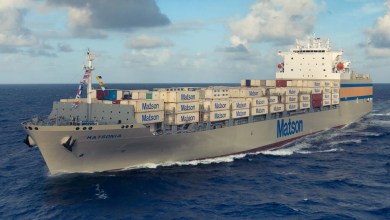
Matson said earnings were weaker as trade and tariff volatility hit volumes on China routes.
Matson said earnings were weaker as trade and tariff volatility hit volumes on China routes.
The U.S. stock market tumbled on Friday after President Donald Trump announced sweeping new import tariffs.
The US and Mexico announced on Thursday a 90-day extension to negotiate a long term trade deal.
The Trump administration announced a trade deal to impose a 15% tariff on imports from South Korea.
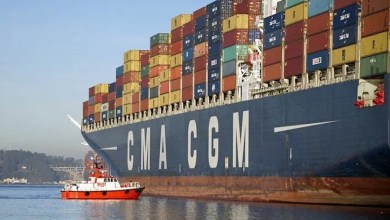
CMA CGM, the world’s third-largest ocean container carrier, said profits fell in the second quarter as trade disputes hit U.S. imports from China.
President Donald Trump said that he will not extend Friday’s deadline for his “reciprocal” tariffs on dozens of U.S. trading partners.
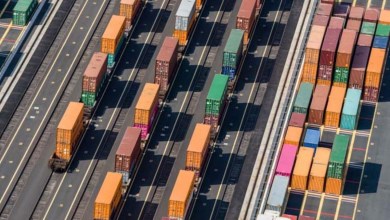
Freight rates on U.S. ocean trade routes hold steady as shippers and carriers wait out trade talks, tariff deadlines.

The sequential numbers at TFI in the second quarter were taken as positive by the investment community.
The U.S. and the European Union have established the framework of a deal that could set tariffs at 15% for most imports from the 27-nation bloc.
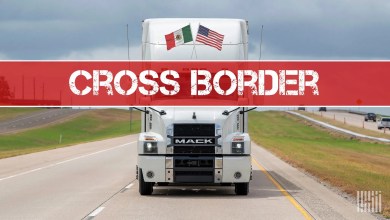
This week in Borderlands: Experts say US Tariffs negatively impact businesses, consumers; CTPAT Informational Conference draws over 400 in Laredo; and TP Trucking and Logistics opens transload facility in Texas.
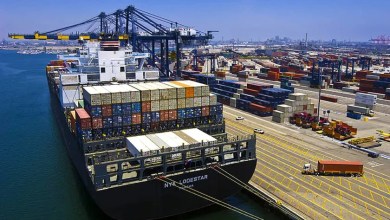
Despite U.S. tariff impacts, Drewry’s Global Container Port Throughput Index rose modestly in May, but better year-on-year, indicating global trade flows are adjusting.
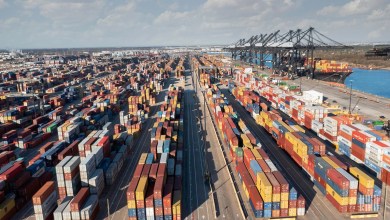
Shippers are stepping back from the trans-Pacific trade amid trade uncertainty and tariff fatigue.
The Trump administration announces trade deals with Japan, Indonesia and the Philippines on Tuesday.
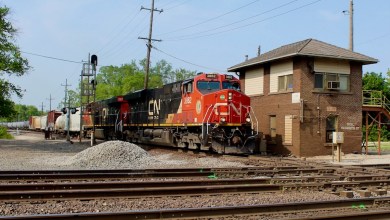
Tariff and trade uncertainty led CN to cut its outlook for the full year even as lower costs helped improve income amid declining revenues.
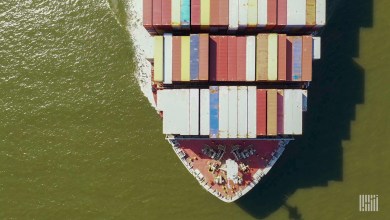
Small- and medium-sized businesses are feeling the tremors of unpredictable U.S. trade policy and dozens of recent tariff changes.
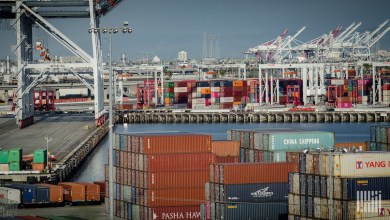
Ocean container rates on the Asia-U.S. trade lane continue to fall, according to Drewry’s latest data.

Intermodal, coal, and grains are driving Class I railroad traffic higher.
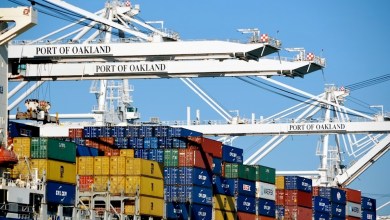
Uncertainty over tariffs and shifting supply chains undercut the Port of Oakland’s June container volume.

Declining demand and a global tariff fight continue to undermine ocean container rates on key Asia-U.S. trade lanes.

The Port of Los Angeles saw container volume surge 8% to a monthly record in June.