Feds OK automation, say railroads can make fewer visual track safety checks
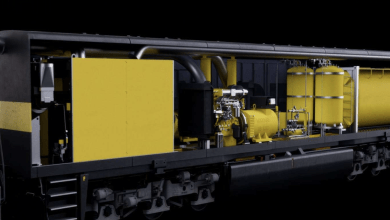
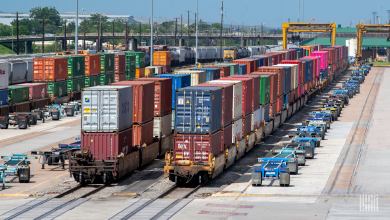
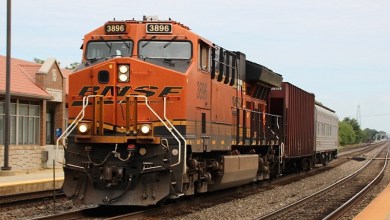
The Federal Railroad Administration approved a waiver to allow for the expanded use of automatic track inspection technology.

Railroads continue to play a significant role in North America’s economic infrastructure. According to the U.S. Department of Transportation Federal Railroad Administration, the U.S. rail freight network covers almost 140,000 route miles and is generally considered the largest, safest, and most cost-efficient freight system in the world. In addition, says the FRA, the almost $80 billion rail freight industry creates more than 167,000 jobs across the country.
In essence, rail freight companies charge businesses to carry cargo across their network of rails. Their rates are overseen by the Surface Transportation Board, a federal agency that regulates financial aspects of surface transportation. Major railroads in North America include Union Pacific Railroad, BNSF Railway, CSX, Norfolk Southern, Canadian Pacific Kansas City and Canadian National Railway.
Keep up with the latest news, trends and reports concerning rail freight transport here!
The Federal Railroad Administration approved a waiver to allow for the expanded use of automatic track inspection technology.
Chassis provider TRAC has had its debt rating cut by Moody’s.
As an historic merger is set to reshape the U.S. supply chain, railroads say data proves they are the engine that powers the domestic economy.
The railroads had expected to file their formal merger application with the Surface Transportation Board this week.
U.S. ports urge strict evaluation by Surface Transportation Board of proposed transcontinental rail merger, cautioning on impact to the supply chain and economy.
Freight on U.S. railroads year-to-date stayed ahead of 2024 levels even as intermodal and carload shipments were weaker in the latest weekly data.
Federal regulators approved the sale of regional line Wheeling & Lake Erie Railway to Fortress Investment Group.
A new partnership will develop mobile carbon capture for the harbor railroad serving the busiest U.S. port complex.
Collaboration has been driving recent success for U.S. railroads, according to BNSF, and controversial plans for a transcontinental merger are unlikely to benefit shippers, or the rail industry.
Shares of Union Pacific and Norfolk Southern rise as the railroads count down the days until filing their formal merger application with federal regulators.
A mega-merger of railroads would have to reverse a slow years-long market for freight to produce growth touted by Union Pacific and Norfolk Southern, an industry panel said.
The top law enforcement officers from three states urged federal regulators to approve the $85 billion Union Pacific-Norfolk Southern railroad merger.
The delayed September jobs report showed truck transportation jobs declining from a month earlier.
Rail freight commodities and intermodal shipments were lower in the latest week’s data but remained ahead of 2024 for the year.
Republican legislators in a letter to federal regulators warn that the merger of Union Pacific and Norfolk Southern could create a rail colossus and with it raise prices and hinder U.S. competitiveness.
The top law enforcement officers for nine states say the merger of Union Pacific and Norfolk Southern threatens national security – and President Trump’s plans for American prosperity.
Declining container volumes are aiding port and terminal operations, but trucking issues could impact the supply chain in 2026, a new report finds.
Union Pacific and Norfolk Southern took the first official step in their proposed merger as shareholders approved the transcontinental tie-up.
Higher shipments of grain and nonmetallic minerals failed to offset intermodal’s decline, according to the Association of American Railroads.
Union Pacific CEO Jim Vena refutes BNSF’s claim that its merger with Norfolk Southern would lead to the elimination of hundreds of intermodal lanes.