




Trains.com Staff
Thursday, July 23, 2026
Norfolk Southern’s earnings rise with volume gains
Norfolk Southern posted Q2 earnings that saw operating income rise 5% on revenue that was 11% higher.
Railroads continue to play a significant role in North America’s economic infrastructure. According to the U.S. Department of Transportation Federal Railroad Administration, the U.S. rail freight network covers almost 140,000 route miles and is generally considered the largest, safest, and most cost-efficient freight system in the world. In addition, says the FRA, the almost $80 billion rail freight industry creates more than 167,000 jobs across the country.
In essence, rail freight companies charge businesses to carry cargo across their network of rails. Their rates are overseen by the Surface Transportation Board, a federal agency that regulates financial aspects of surface transportation. Major railroads in North America include Union Pacific Railroad, BNSF Railway, CSX, Norfolk Southern, Canadian Pacific Kansas City and Canadian National Railway.
Keep up with the latest news, trends and reports concerning rail freight transport here!
Norfolk Southern posted Q2 earnings that saw operating income rise 5% on revenue that was 11% higher.

Union Pacific posts strong results as rail sector enjoys resurgent volumes in 2026 and regulators review merger with Norfolk Southern.
Norfolk Southern Corp. said Q2 earnings exceeded Wall Street expectations on higher freight volumes and fuel surcharges.

CSX raised its full-year outlook after a rebound in demand that saw increases in volume, revenue and income.
Canadian National will support the UP-NS merger in exchange for improved access to markets in the U.S. Midwest and Mexico.
CSX beat analysts’ estimates on Q2 growth in carload and intermodal volumes.
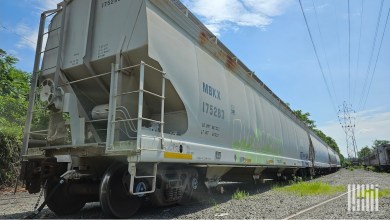
Containers and trailers hauled by rail powered ahead while carload shipments were narrowly off in the latest U.S. data.
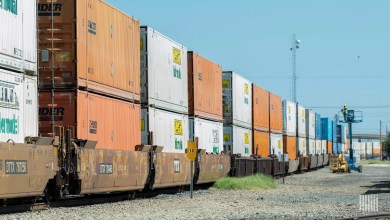
Rail freight volume is still well ahead of 2024, but network issues may be slowing traffic movement.

Frightening video shows a Canadian National crew pleading for help as a wildfire threatens to engulf their train.
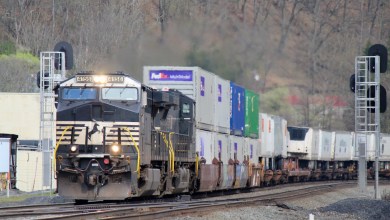
Norfolk Southern has promoted a 21-year company veteran to lead intermodal and automotive operations.
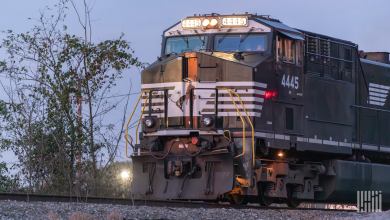
A Norfolk Southern crewman was killed while making a trackside inspection of a passing train.
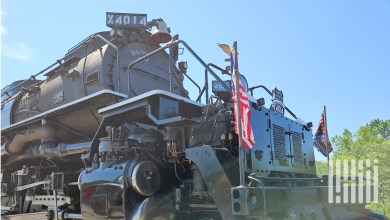
As the Big Boy steam locomotive thundered into Philadelphia for the USA 250 celebration, the CEOs of Union Pacific and Norfolk Southern talked about the proposed merger that could reshape the American supply chain.
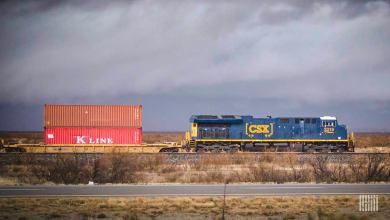
Freight on U.S. railroads continued to enjoy a banner year as intermodal and commodity shipments powered into the July 4 weekend.
Rail freight turned in another strong week leading up to the July 4 holiday.

Union Pacific and Norfolk Southern submitted initial responses to the Surface Transportation Board’s request for additional data regarding their proposed transcontinental rail merger.
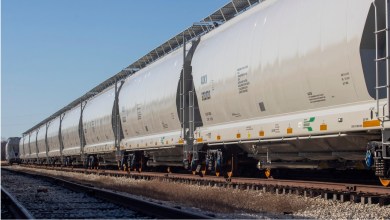
A stagnant market for rail freight fleet replacement saw lower railcar deliveries weigh on revenue and profits at Greenbrier

Truck transportation job growth has eked out a small gain this year, but is way below a year ago.
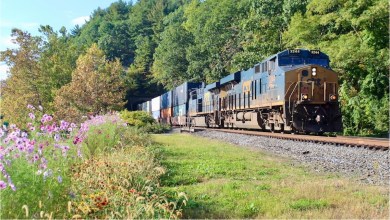
Rising fuel and trucking costs have caused a rail volume surge, slowing down major U.S. railroads.
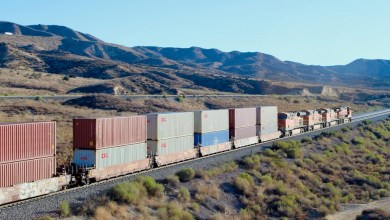
Intermodal traffic and industrial products continue to lead resurgent volumes across U.S. railroads.
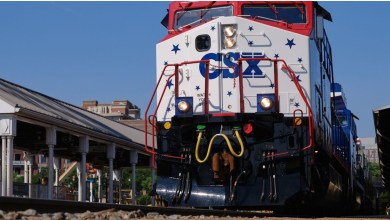
CSX rolled out its U.S. 250th commemorative locomotives in Washington where it claims the title as the sole Class I freight railroad.