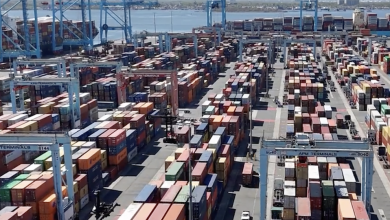
New trade deals, and ‘tenuous stability’ for ocean freight
A slate of China agreements clears some of the uncertainty around ocean shipping, but questions still surround demand in the U.S. and other markets.
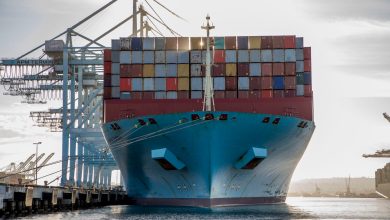
Maersk adjusted a portion of its guidance upward for 2025 earnings after a quarter that saw higher volumes but lower profits.
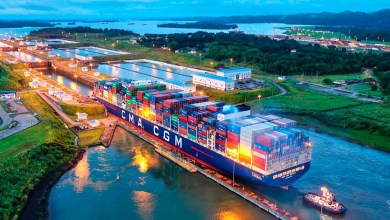
As climate volatility intensifies, Panama Canal Administrator Ricaurte Vásquez says a new reservoir and diversified cargo infrastructure are essential to protect the canal’s future.
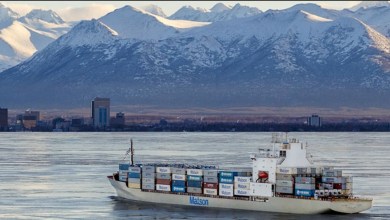
Matson saw its shares gain as a positive outlook for China-related shipping outweighed weaker financial results in the third quarter.
Ocean Network Express said earnings fell in the recent quarter on weaker revenue per container, and revised its forecast lower for 2025.
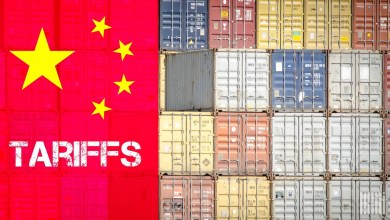
The U.S. and China have agreed to a one-year trade truce that cuts tariffs, resumes U.S. soybean purchases and keeps rare earths exports flowing.
The United States and China have suspended their respective port fees on each other’s ships amid progress on a new trade agreement.
The Port of Baltimore welcomed the Neoliner Origin, the world’s first wind-powered, industrial-scale cargo ship to arrive in the United States.
Trans-Pacific container rates improved 15% to 20% last week as U.S. negotiators made progress on Asia trade deals.
Port Houston completed its portion of the Houston Ship Channel expansion, while residents press for offshore disposal of potentially contaminated dredge material.
U.S. container ports continue to author a strong comeback from the pandemic despite some current headwinds to trade conditions.
The U.S. maritime industry faces challenges and opportunities in global trade and shipbuilding, the former chairman of the Federal Maritime Commission tells F3: The Future of Freight Festival.
Asia-U.S. container rates rallied on carrier-imposed GRIs and tighter capacity, despite trade tensions.
MSC, the world’s largest ocean container line, may re-flag some vessels in India to align with new shipping rules.
Decrease in Oakland port volume reflects tariff uncertainty and shifting global trade flows, over seasonal trends.
Despite progress, the port of Los Angeles-Long Beach said hurdles remain to achieving their goal of zero-emissions drayage by 2035.
Dockworker unions in the U.S. and Europe are calling on labor to meet for a global anti-automation summit in November.
A proposal to tax ship emissions has been postponed after President Trump said the U.S. wouldn’t abide by any international agreement.
Strong Q1 for South Carolina inland, ro/ro as trade issues damped volumes at the Port of Charleston.
Container rates on key trans-Pacific routes accelerated their decline as China and the U.S. escalated their trade war.