Freight Market Tightens as Rates Slide: What It Means for Owner-Operators
The freight market is tightening as we come to the end of February. What does tha mean fo owner0ops?
A CDL is just a license. What separates top fleets from struggling ones is how they qualify, select, and retain drivers who fit their operations. A one-size-fits-all hiring approach leads to turnover, compliance risks, and operational inefficiencies. Successful fleets go beyond FMCSA minimums, assessing experience, cultural fit, and skill set alignment to ensure long-term success.
Leveraging technology for applicant tracking, telematics-based risk assessment, and continuous compliance monitoring, fleets can reduce costly hiring mistakes and build a stable, safety-first workforce. Hiring the right drivers is about protecting your business and driving long-term profitability.
Truck dispatching is about maximizing efficiency, reducing downtime, and ensuring compliance. The best dispatchers are logistics strategists, connecting drivers with freight, optimizing routes, and handling regulatory and admin tasks so carriers can focus on the road.
With freight markets fluctuating and compliance requirements tightening, owner-operators and small fleets are increasingly turning to dispatching services to stay competitive. The right dispatcher can boost earnings, minimize deadhead miles, and streamline back-office operations. But with so many services available, how do you know which one adds value and which one just takes a cut?
This guide breaks down the role of dispatching services, the benefits of outsourcing logistics, and how to find a dispatcher who actually improves your bottom line.
Interlining freight and freight brokering are two often misunderstood functions in transportation. While both involve coordinating freight movement, the distinctions in responsibility, regulatory requirements, and legal compliance are significant.
This article talks about how interlining carriers work together to complete shipments across multiple legs, sharing liability and direct transport duties. It also breaks down how freight brokers facilitate shipments without ever taking possession of cargo and why they must hold FMCSA broker authority and a $75,000 surety bond.
With FMCSA cracking down on unauthorized brokering, understanding the legal and operational differences is crucial for carriers, brokers, and shippers.
An EPA action initiating the process of revoking three California emissions waivers faces legal hurdles.
Oil markets have been quiet, but the impact of potential tariffs on Canada and Mexico is on the horizon.
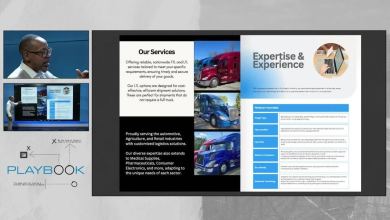
Welcome to the first edition of The Playbook. Welcome to the very first edition of The Playbook, a weekly newsletter dedicated to small carriers and fleets. My name is Adam Wingfield, founder of Innovative Logistics Group – consider me your new mentor. If there’s one thing I’ve learned in my 24-plus years in the trucking […]
FreightWaves and Innovative Logistics Group have teamed up to create The Playbook, a one-stop shop of resources for the small carrier and owner-operator who want to level up their business.
I’m Rob Carpenter, adviser, professional driver and your trusted voice for all things trucking. Welcome to The Playbook, a place for you to find your success in trucking.
It’s time to change the way small fleets and owner-operators think about business. I’m Adam Wingfield, and change is coming with The Playbook.
FMCSA’s Medical Examiner’s Certification Integration rule aims to streamline medical certification by digitizing the process, but delays have pushed full implementation to June 23, 2025. Until then, CDL and CLP holders must continue submitting paper copies of their Medical Examiner’s Certificate (MEC) to state licensing agencies, and motor carriers must verify compliance manually.
Failure to maintain a valid MEC can result in a CDL downgrade, putting drivers’ jobs at risk and exposing fleets to compliance violations. Staying informed and following FMCSA updates is crucial to ensuring a smooth transition when the new system goes live.
A CDL is a commodity. Many drivers feel stuck in low-paying, high-turnover jobs, but those who grow, specialize, gain endorsements, and strategically pivot can turn their experience into a high-value career. Whether it’s moving into specialized freight, fleet management, brokerage, or even autonomous vehicle testing, a CDL opens doors beyond the driver’s seat.
The key is to treat trucking like a business. Understanding market demand, positioning yourself for better opportunities, and leveraging your expertise. The industry is changing, and drivers who adapt will thrive. The question is, Will you be one of them?
Spot freight is the wild card of trucking that offers flexibility, fast solutions, and sometimes, unexpected windfalls. But is it a viable long-term strategy, or just a short-term fix for supply chain disruptions?
This article breaks down how spot freight works, what determines its pricing, and why shippers turn to it instead of contract freight. While it provides an immediate solution for last-minute loads and market shifts, it also comes with financial unpredictability. Learn how businesses can strategically use spot freight to complement their shipping strategy while maximizing opportunities and minimizing risks.
What should be a simple recovery or tow process has become an industry crisis. With predatory towing companies exploiting trucking fleets through excessive fees, cargo ransoms, and impound scams. Carriers often have no say in which towing company is called, leading to inflated invoices, trucks held hostage, and financial strain.
From $202,000 tow bills to $10,000 “ransom” demands for cargo release, these practices are draining the industry. Fleets must take proactive steps to build relationships with reputable tow providers, training drivers to document incidents, and challenging inflated invoices to protect themselves. Until stronger regulations are in place, carriers that don’t fight back are setting themselves up to lose.
The trucking industry is under attack from rising insurance costs, cargo theft, and nuclear verdicts. Now, fraudulent staged accidents have emerged as another costly threat, orchestrated by criminal networks to exploit insurance claims and extract massive settlements. Cases like “Operation Sideswipe” in New Orleans and similar schemes in New York have cost the industry hundreds of millions of dollars.
Adding to the crisis is third-party litigation financing (TPLF), where private investors bankroll lawsuits, driving up the frequency of multi-million-dollar verdicts against carriers. However, fleets are fighting back with AI-powered dashcams from companies like Motive, providing real-time visibility, GPS tracking, and data-backed defenses against fraudulent claims.
This article talks about how dashcams are shifting the landscape, preventing staged accidents, disproving false liability claims, and helping carriers build defensible compliance programs. Read on to learn how visibility, data, and technology can protect your fleet from fraud and exposure.
The truck parking debate is always on fire but it’s heating up. While drivers struggle to find safe, available spaces after long shifts, services like Truck Parking Club, and Freight Ninja offer paid alternatives, but at what cost? Should drivers have to pay for parking, or should free options remain the standard?
This article examines the realities of truck parking from both sides, how technology is improving access and awareness but also introducing new costs for truckers already being fleeced. With margins already tight, drivers shouldn’t be nickel-and-dimed, but businesses providing secure, well-maintained lots deserve fair compensation. The key isn’t eliminating paid parking but ensuring it remains a choice, not an unavoidable expense.
From dynamic pricing models to carrier-sponsored parking, the industry has room for solutions that benefit everyone. Read on to explore the possible compromises and why a balanced approach is crucial for the future of truck parking.
Driver stress is a fleet-wide risk that impacts safety, fuel costs, maintenance, and retention. Studies show that stressed drivers are more likely to engage in risky behaviors, suffer from fatigue, and leave the industry entirely, costing fleets thousands in turnover and accident claims.
AI-powered dashcams, predictive maintenance, and real-time telematics offer fleets a proactive approach to reducing driver stress and improving well-being. By integrating safety coaching, fatigue monitoring, and wellness programs, fleets can lower accident rates, cut operational costs, and build a culture that values drivers as assets, not liabilities.
Compliance might be about avoiding fines but it’s more about protecting your fleet, securing business, and staying in business. A poor FMCSA safety rating can lead to lost revenue, higher insurance premiums, and even an Unsatisfactory Rating and shutdown. With new Safety Measurement System (SMS) changes ahead, fleets must actively manage their compliance records to avoid increased scrutiny.
Staying ahead of FMCSA regulations is the only way to ensure long-term profitability and operational stability.
Cash flow is the difference between survival and failure in the trucking industry. Even a profitable business on paper can collapse if it doesn’t have the cash to cover fuel, maintenance, and payroll. With customers often taking 30, 60, or even 90 days to pay invoices, owner-operators and fleets have to manage cash flow strategically to avoid financial strain.
Tracking cash inflows and outflows, using factoring services, leveraging net 30 fuel cards, and refinancing loans can help maintain liquidity and keep operations running smooth. Smart cash flow management ensures businesses stay profitable, avoid costly short-term borrowing, and remain resilient in an unpredictable market.
Managing cash flow is about keeping enough of it to stay in business. Many new owner-operators and small fleet owners struggle not because they can’t find freight, but because they fail to control expenses and prepare for financial challenges.
With high startup costs, slow broker payments, and unpredictable expenses like fuel and maintenance, poor cash flow management can quickly derail even the most hardworking truckers. Successful operators track every dollar, minimize unnecessary spending, use financial tools strategically, and plan for market fluctuations to keep their business rolling for the long haul.