Crosswinds threaten soft landing
The sustained imbalance between supply and demand has yet to be corrected, such that only an unprecedented tidal wave of demand could satisfy the current amount of capacity in the national freight economy.
Spot rates did eventually see a boost at the start of the new year, albeit one that was unable to meet our prior forecasts.
Tender volumes began to outpace 2020 earlier this week and are now marching toward favorable comparisons with 2021.
FreightWaves’ December State of Freight webinar looked at the disconnect between healthy volumes and low rejection rates.
Volumes are leveling out at the start of December, delaying the seasonal dip that ordinarily occurs at this time of the year.
Tender volumes were outpacing 2022 levels before the holiday and came within spitting distance of 2020 — freight demand’s second-best year on record.
This week, freight markets underwent a surprising rally that saw a wave of volumes sweep across the country.
Domestic manufacturers fail to inspire optimism, since they foresee major headwinds on output in the first half of 2024.
The upcoming months are littered with major holidays during which carriers can leverage seasonal constraints on capacity for higher spot rates.
Outside of the holiday rush periods, the fundamental lack of freight demand will continue to expose the lingering overcapacity in the market.
Given the surplus of available capacity, shippers are more confident in switching to “just-in-time” freight strategies as consumer resilience remains an open question.
By next week, it is likely that actual freight flow will have finally risen on a yearly basis for the first time since May 2022.
Consumer demand during the holiday season is expected to be relatively soft, which should temper expectations for a red-hot peak season in truckload markets.
Monday data from Cass Information Systems showed slight improvement from July to August but the comparisons to 2022 worsened.
Perhaps the most pressing question for both freight markets and the broader economy is how the consumer will fare in the coming months.
Small fleets can get a voucher twice the standard $120,000 when purchasing an electric truck. And they don’t even have to purchase it.
Rejection rates gathered some promising momentum in the run-up to Labor Day, though these gains are slowly being lost.
In today’s fast-paced supply chain environment, it is important to know and understand the trends most likely to shape the future.
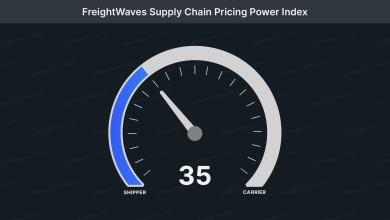
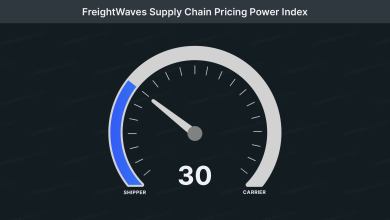
After a none-too-brief break, the Pricing Power Index is resuming its regular Friday schedule.
DOT and MarAd are moving on a new database aimed at preventing vessel collisions.