




Stuart Chirls
Thursday, May 8, 2025
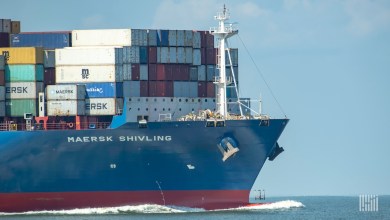
Maersk expects no changes from US port fees
The world’s second-largest container shipping line sees no immediate changes from U.S. ship fees.
The world’s second-largest container shipping line sees no immediate changes from U.S. ship fees.
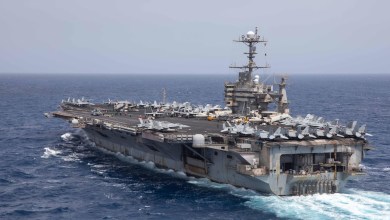
Yemen’s Houthi rebels said they have not agreed to cease attacks on shipping in the Red Sea, contradicting claims made by President Donald Trump.
An analyst says moves by shippers to redirect China exports and by carriers to blank sailings will only shore up container rates in the short term.

West Coast politicians and port executives warned that President Trump’s tariffs will have far-reaching consequences for the U.S. economy.

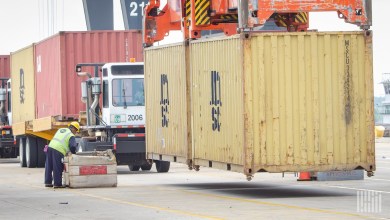
An area internet outage on Friday temporarily disrupted trucking operations at Port Houston’s two public container terminals.

CN said cost control and disciplined operations helped it to better revenue and profits in the first quarter.
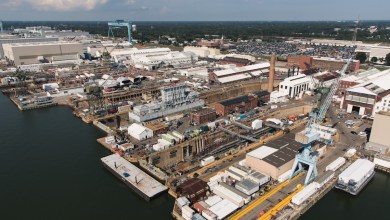
Newly revised legislation calls for a fleet of 250 U.S.-flag cargo vessels, and subsidies for American shipyards.

Canadian Pacific Kansas City said earnings rose on higher revenue and increased freight on its network.
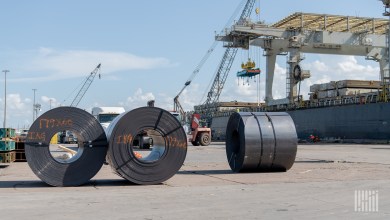
Container and breakbulk cargo flows in March rose in Houston and New Orleans, while demand for crude oil continued to fuel shipments through Corpus Christi, Texas.
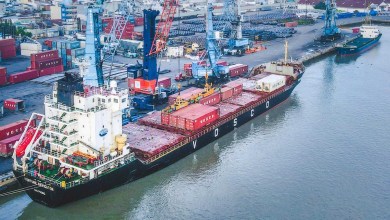
As U.S. tariffs freeze China exports, blank sailings and shifting traffic are helping prop up trans-Pacific container rates.

The International Longshore and Warehouse Union on Monday blasted President Trump’s trade war with China, saying tariffs will cause massive job losses and devastate working-class families.
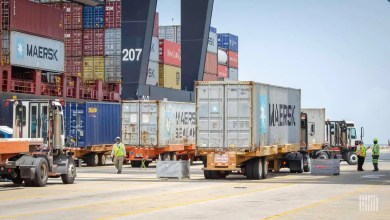
Global container traffic is forecast to fall 1% in 2025 due to U.S. tariffs and trade policies, analyst Drewry says, only the third decline in its forecast history.
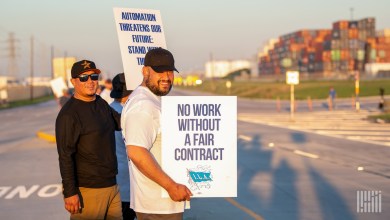
F. Paul De Maria, chief negotiator for the United States Maritime Alliance in contract talks with the International Longshoremen’s Association, is the new CEO of the port employers’ group.
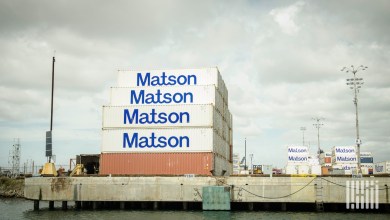
Shares of Matson, the largest U.S.-flag shipping line, are collateral damage in President Donald Trump’s trade war.
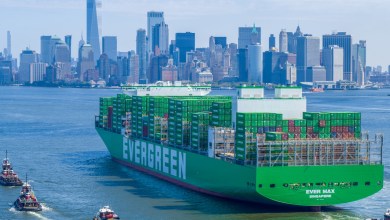
Container shipping capacity on the Asia-U.S. trade route has sharply declined as carriers ramp up blank sailings.
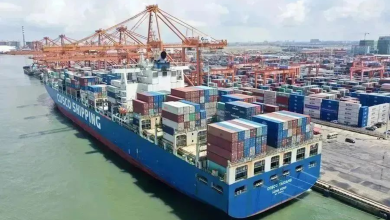
China’s largest shipping line says it opposes a plan to charge its ships to dock at U.S. ports.
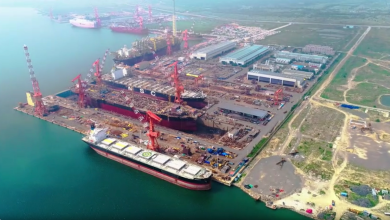
Following opposition from shippers, the United States will phase in port fees scaled to a vessel’s tonnage, in an effort to blunt China’s dominance in global shipping.
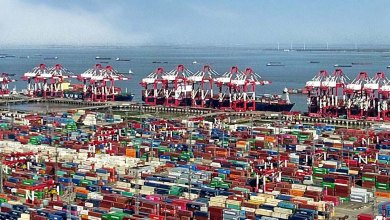
Shippers and liner operators are struggling to adapt to drastic changes across the maritime supply chain.
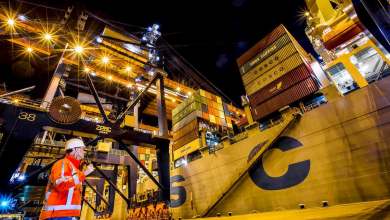
Record capacity and rising rates on some routes signal shifting dynamics in global container shipping, an analyst says.
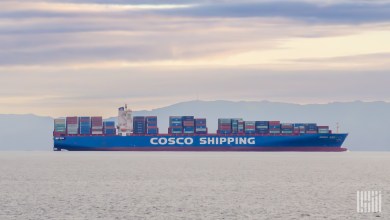
The Trump administration is considering a revision to proposed port fees for Chinese ships.