




Stuart Chirls
Tuesday, October 20, 2026
How new capacity is raising rates in chaotic ocean market
Container rates rise as the Red Sea return threatens to worsen oversupply in 2027.
Container rates rise as the Red Sea return threatens to worsen oversupply in 2027.
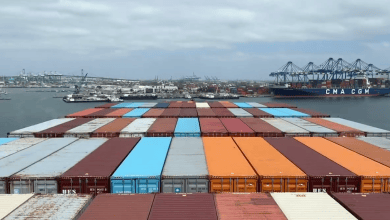
Ocean shippers face worsening reliability across major trade lanes, with tighter trans-Pacific capacity adding to booking risks, according to WiseTech Global’s latest outlook.

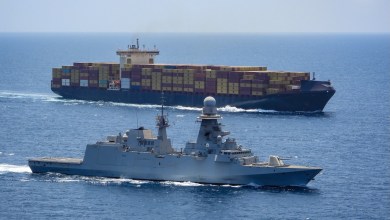
Houthi attacks on Saudi infrastructure have raised the risk of renewed Red Sea shipping disruption ahead of 2027 contract negotiations.
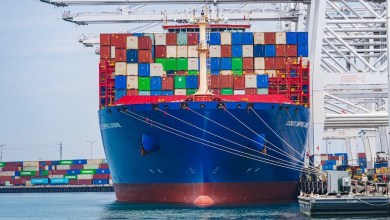
Xeneta: Asia-US West Coast rates showed the first sign of softening since mid-September.
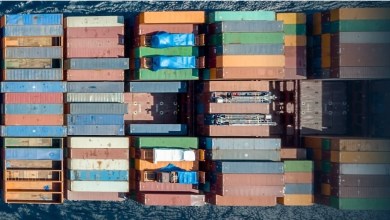
Global container volumes hit a record 17.46 million TEUs in August, while ocean pricing reached a two-year high, CTS reported.

Liner operator Zim raised its 2026 earnings guidance, citing strong demand and rising freight rates.
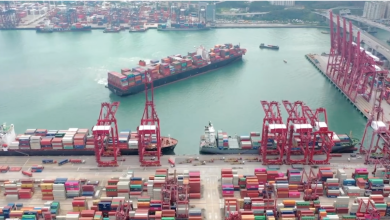
Xeneta: Asia-US spot rates are nearing pandemic records after surging more than 320% since late February.

Container carriers Red Sea return is lowering some rates but increasing exposure to potential new disruptions.
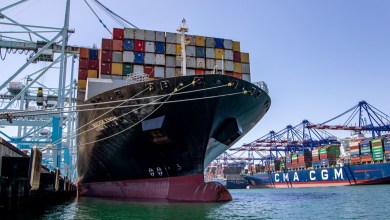
Mideast tensions and operating issues are keeping container rates elevated on the trans-Pacific.
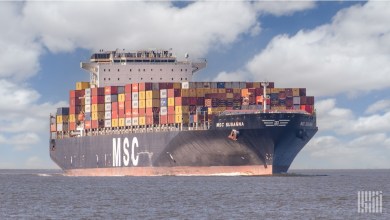
Delayed tariffs sparked unexpected summer demand as another global liner made its return to the Red Sea.
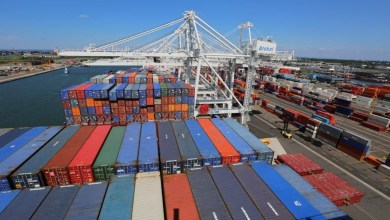
Shippers are leaving money on the table, an analyst says, if they don’t consider switching coasts for Asia import containers.
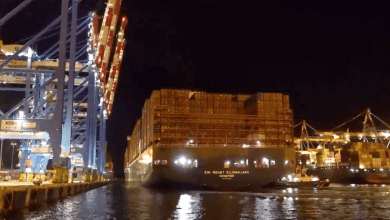
Zim’s Q2 net income rose on higher rates and volume as it reaffirmed full-year guidance as its pending merger with Hapag-Lloyd progresses.
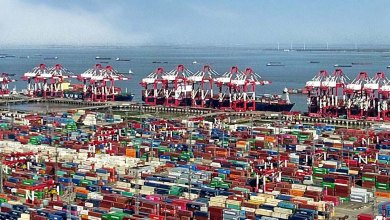
A rare stable moment in the U.S. tariff regime is likely boosting demand as trans-Pacific container rates strengthen.
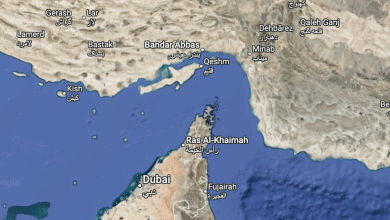
Shippers could start to see some relief from soaring trans-Pacific ocean rates, according to one analyst, as prices moderated in the most recent week.
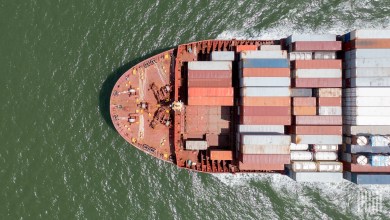
Ocean shipping rates continue their upward climb as peak-season demand, and not crude oil, are driving higher prices.
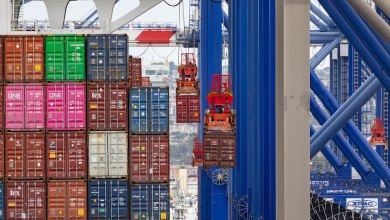
But supply chain normalcy is likely months off as anxious shippers spur an early peak in a rush to beat fuel surcharges and price hikes by Asian manufacturers. Spot rates on the benchmark Asia-U.S. West Coast route were unchanged at $4,836 per forty foot equivalent unit (FEU) in the latest week, according to the Freightos […]
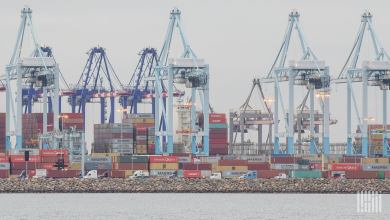
The Gulf crisis has yet to hit global container traffic, liner operators say, as April volumes surged past year-ago levels.
Rate hikes and surcharges pushed up benchmark ocean container rates by $1,000 in the latest week, with more to come.
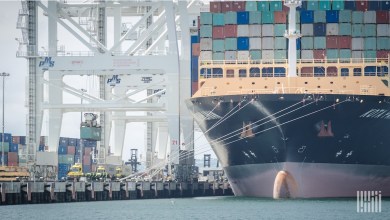
As the peak season nears, freight rates are expected to shift from their currently high fuel-cost baselines due to seasonal demand and fleet capacity management.
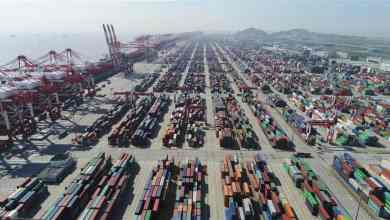
Ocean freight rates on the trans-Pacific remain above pre-war levels as retailers warn of tepid peak season gains.