




Stuart Chirls
Tuesday, October 21, 2025
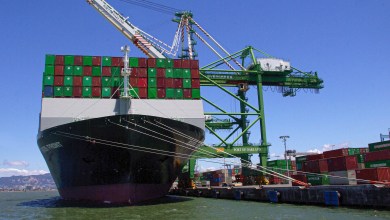
Tariffs, trade changes hit Port of Oakland volumes
Decrease in Oakland port volume reflects tariff uncertainty and shifting global trade flows, over seasonal trends.
Decrease in Oakland port volume reflects tariff uncertainty and shifting global trade flows, over seasonal trends.
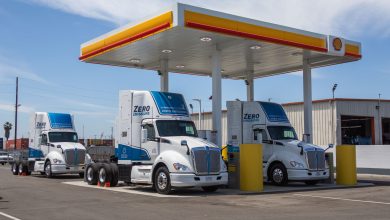
Despite progress, the port of Los Angeles-Long Beach said hurdles remain to achieving their goal of zero-emissions drayage by 2035.
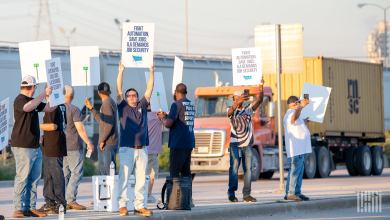
Dockworker unions in the U.S. and Europe are calling on labor to meet for a global anti-automation summit in November.

A proposal to tax ship emissions has been postponed after President Trump said the U.S. wouldn’t abide by any international agreement.
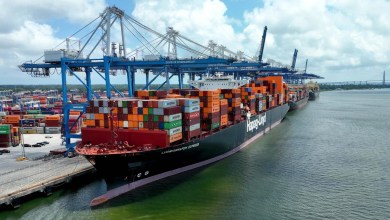
Strong Q1 for South Carolina inland, ro/ro as trade issues damped volumes at the Port of Charleston.
Container rates on key trans-Pacific routes accelerated their decline as China and the U.S. escalated their trade war.

The Port of Los Angeles, despite lower September imports, posted an all-time record quarter for container volume.
Labor criticizes California Governor Gavin Newsom after he vetoed a bill to limit public funding for port automation.
China won’t collect port fees on Chinese-built U.S. cargo vessels.
China announced sanctions on the U.S. units of a South Korean company aiding U.S. shipbuilding.
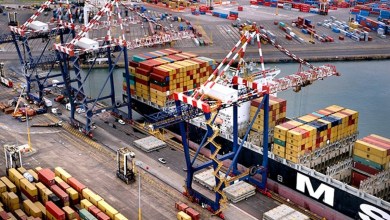
Global container traffic posted strong results in August, with North America a notable exception, according to newly-released data.
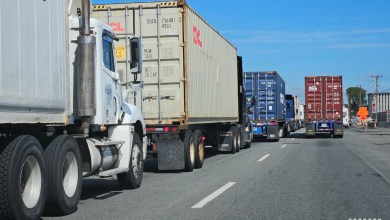
While lower imports ease traffic at intermodal terminals, the ITS Logistics US Port/Rail Ramp Freight Index cautions the silver linings hide gathering clouds.
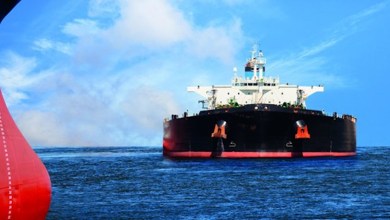
The United States is threatening penalties ranging from port fees to barring ships from entry on nations that back a controversial carbon tax on ships’ emissions.

The United States Trade Representative has added new tariffs of 100% on Chinese-made ship-to-shore container cranes and 150% on cranes used to move containers around terminals.
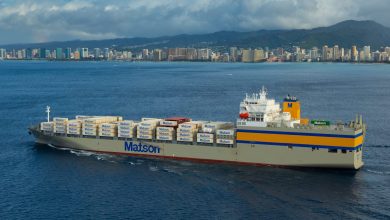
China will levy port fees on U.S.-flagged and -owned ships, the latest escalation in the trade war with the United States.
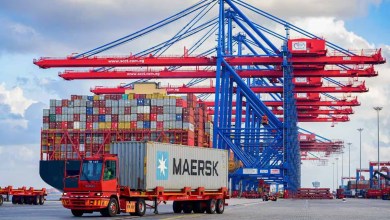
A Danish diplomat said shipping giant Maersk is closely following events in the Middle East as it eyes a return to the Suez Canal.
September import data shows resilient demand despite tariff effects that caused steep declines in a number of key goods categories.
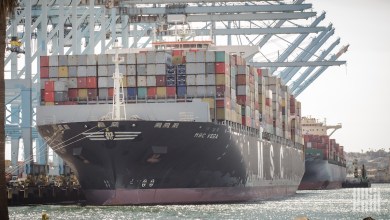
Containerized imports are likely to take a hit from earlier-than-normal stocking up by retailers and expanding tariffs through the remainder of 2025, a trade group predicts.
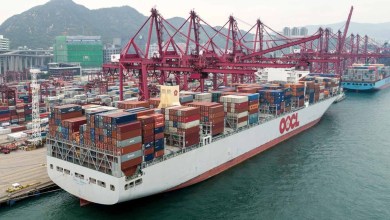
Container rates on the eastbound trans-Pacific fall by double-digits as ocean shipping braces for new U.S. port fees.
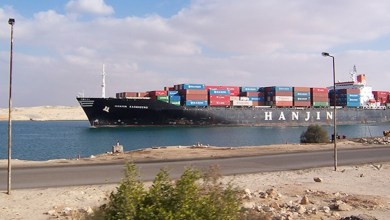
Plans to end the war in Gaza should help global shipping return to the Suez Canal in 2025, the waterway’s chief said.