




Stuart Chirls
Wednesday, May 14, 2025
Maersk looks to fill up corridors in a flash (sale)
The world’s second-largest container carrier wants to kick-start the reset of China-U.S. shipping with a sale on freight rates.
The world’s second-largest container carrier wants to kick-start the reset of China-U.S. shipping with a sale on freight rates.

After China and the United States paused tariffs, ocean shippers and carriers watch and wait to see how demand develops.
The Port of Virginia wants container shippers to know that it’s not beholden to China.
The Trump administration said on Sunday it has reached a trade deal with China after two days of negotiations in Geneva.
The parent of Maersk, the second-largest ocean container carrier, revised its full-year box outlook, saying tariffs could cut global volumes by 1% from a year ago.
The Trump administration is considering slashing the 145% tariff on Chinese imports to as low as 50%, according to a newspaper report.
The world’s second-largest container shipping line sees no immediate changes from U.S. ship fees.

The Hobby Industry Coalition seeks targeted refinements to what it sees as crippling tariffs.
An analyst says moves by shippers to redirect China exports and by carriers to blank sailings will only shore up container rates in the short term.
Carload volumes for North American railroads are still running ahead of year-ago levels.
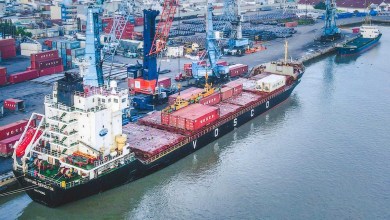
As U.S. tariffs freeze China exports, blank sailings and shifting traffic are helping prop up trans-Pacific container rates.

The International Longshore and Warehouse Union on Monday blasted President Trump’s trade war with China, saying tariffs will cause massive job losses and devastate working-class families.
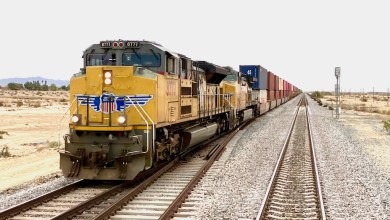
With Chinese imports tanking and fewer calls expected at West Coast ports, many empty containers won’t have a way back to Asia.
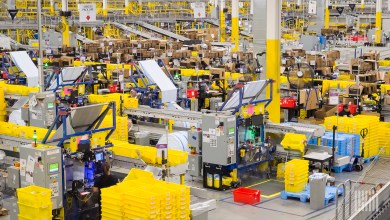
Chinese sellers are now forced to play by the same rules as U.S.-based vendors.

President Donald Trump said Tuesday that he would cut tariffs on Chinese imports but did not clarify by how much.

The country’s most reliable source of freight is slowing down.
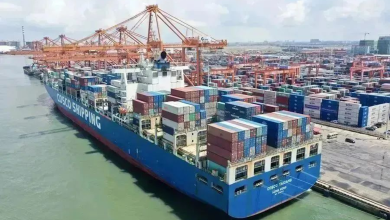
China’s largest shipping line says it opposes a plan to charge its ships to dock at U.S. ports.
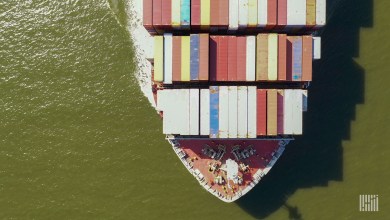
Freight forwarders focused on the trans-Pacific are in pain.
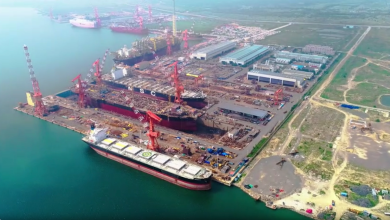
Following opposition from shippers, the United States will phase in port fees scaled to a vessel’s tonnage, in an effort to blunt China’s dominance in global shipping.
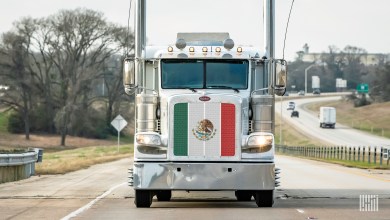
Mexico tops Canada and China as the No. 1 U.S. trade partner during February with more than $68 billion in trade.