




Stuart Chirls
Wednesday, July 23, 2025
Trans-Pacific shippers’ turn to pause as box rates end slide
Shippers are stepping back from the trans-Pacific trade amid trade uncertainty and tariff fatigue.
Shippers are stepping back from the trans-Pacific trade amid trade uncertainty and tariff fatigue.
Small- and medium-sized businesses are feeling the tremors of unpredictable U.S. trade policy and dozens of recent tariff changes.
Ocean container rates on the Asia-U.S. trade lane continue to fall, according to Drewry’s latest data.

Intermodal, coal, and grains are driving Class I railroad traffic higher.
China could block the sale of CK Hutchison’s global port facilities if it doesn’t get a stake in the deal involving a U.S. private equity firm and Mediterranean Shipping Company.

Declining demand and a global tariff fight continue to undermine ocean container rates on key Asia-U.S. trade lanes.

The Port of Los Angeles saw container volume surge 8% to a monthly record in June.
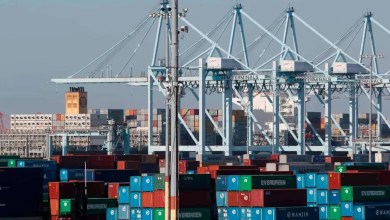
Ocean container indicators turn negative as importers wait for developments on tariffs and trade policy.
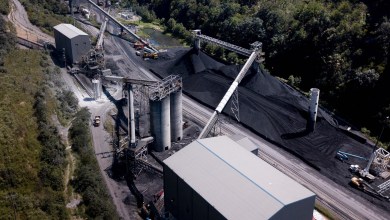
The deposits are in soft coal, making them economically feasible to develop.
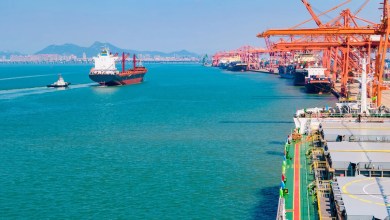
Ocean container rates on the key Asia-U.S. trade lanes continued their downward trend in the latest Freightos index.
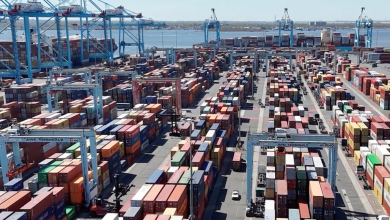
Containerized imports through U.S. ports staged a modest comeback in June following a sharp drop in May.
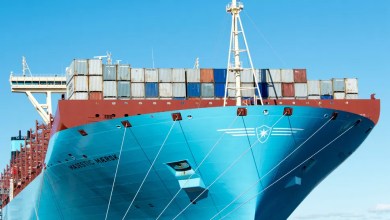
Shippers are paying an average 21% tariff on containerized imports entering the United States, ocean line Maersk said.
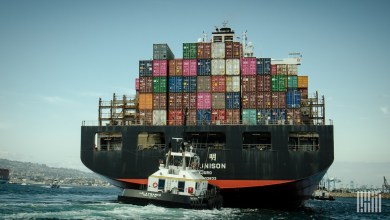
The outlook for Asia trade agreements is improving, which is more than can be said for container rates on the eastbound trans-Pacific.

https://www.freightwaves.com/news/us-taking-closer-look-at-ocean-carriers-antitrust-immunity

Container rates are giving back recent gains, as U.S.-bound container traffic slumps after a surge fueled by the tariff pause. Shipping consultancy and SONAR data partner Drewry saw its World Container Index fall 9% this week, the second consecutive weekly drop following five weeks of gains. “This decline is a direct result of low demand […]
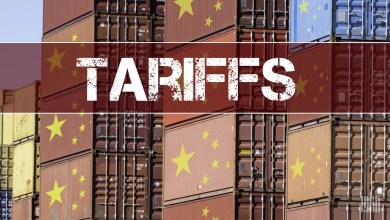
The U.S. and China said they have agreed on a deal to reduce tariffs and expedite shipments of rare-earth metals.
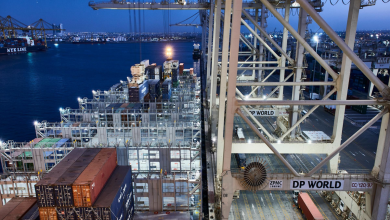
The conflict between Israel and Iran has yet to hit tanker or container rates, while prices on the eastbound trans-Pacific may have peaked.

Tariffs helped snap 10 straight months of growth at the Port of Los Angeles, but a Yale economist says that the worst could be yet to come.
Container rates on the Asia-U.S. trade lane surged as shippers rushed early peak- season traffic and carriers announced general rate increases, according to SONAR and Freightos data.
After months of back and forth, President Trump says a deal with China is done.