Running on Ice: Miami takes giant leap in fresh‑food logistics with $141M cold chain hub
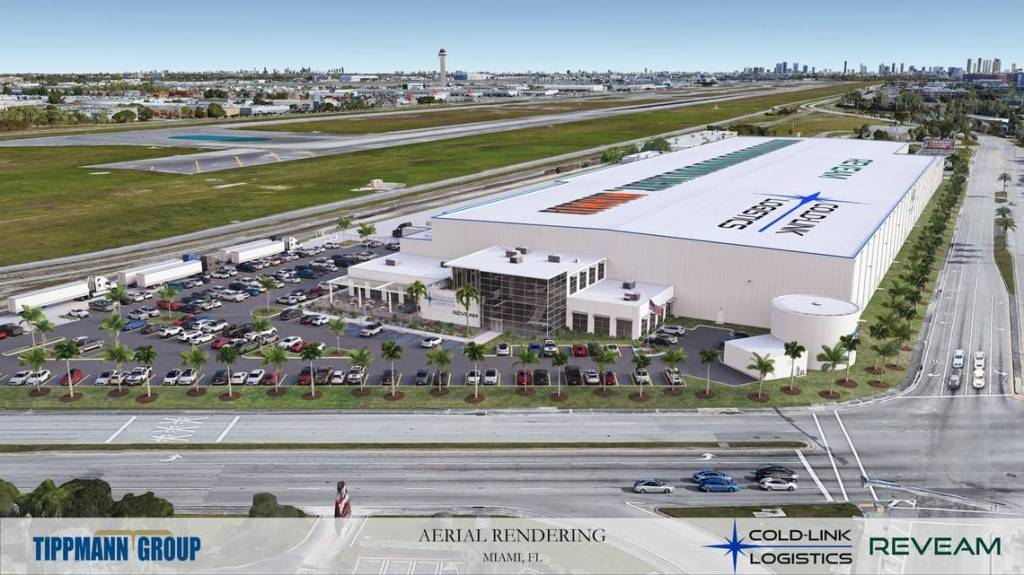
Miami is cementing its position as a major gateway for perishable goods into the U.S. with the groundbreaking of a cutting-edge cold storage and phytosanitary facility at Miami International Airport (MIA). This $141 million project, part of a public-private partnership between the airport and PortMiami, ushered in a new era for fresh produce, seafood, and flower imports along the East Coast.
Set to open in 2027, the sprawling 340,000‑square‑foot complex, about six football fields in size, will boost MIA’s cold storage capacity by 50%, adding around 1.5 million tons per year of refrigerated space. Eighty percent of the facility will be devoted to temperature‑controlled cold storage, with the remainder serving as cutting‑edge treatment zones. Notably, 20% of the space will feature USDA‑certified, non‑chemical pest‑control technology that relies on electron‑beam pasteurization, allowing quicker inspections and better fruit quality by replacing dated fumigation methods.
This capital injection follows a July 2024 lease approval for a four‑story freight terminal, which is expected to handle an additional 2 million tons of cargo through PortMiami. With MIA handling a record 3 million tons of cargo in 2024, including 90,000 tons of floral imports for Valentine’s Day alone, the need for modernized storage and plant health inspections has never been greater.
Subscribe to the newsletter to get the full edition in your inbox every Friday
Fong bill: Green light for driverless trucks?
WASHINGTON — New legislation introduced in Congress could help pave the way for driverless trucks that supporters say will improve safety and alleviate the trucking industry’s driver retention problem.
“While Europe and China are rapidly integrating autonomous trucks into their supply chains, America is asleep at the wheel, hamstrung by a confusing patchwork of state regulations that threaten public safety, innovation, and economic growth,” said U.S. Rep. Vince Fong, R-Calif., who introduced the bill this week, in a press statement.
“By establishing a federal framework for autonomous trucks and empowering the Department of Transportation to set practical regulations, we can safely scale this emerging technology nationwide.”
Fong pointed out that in addition to differing state laws that regulate various forms of autonomous truck testing or deployment is “an ongoing need for truck drivers” that many argue is caused by the inability of carriers to keep the drivers they hire.
The America Drives Act (Autonomous Mobility Ensuring Regulation, Innovation, Commerce, and Advancement Driving Reliability in Vehicle Efficiency and Safety) “aims to end this regulatory fragmentation and address the driver shortage,” according to Fong.
The bill states that a commercial vehicle equipped with automated driving systems (ADS) with Level 4 or Level 5 capability – the highest level of self-driving automation – would be allowed to operate in interstate commerce “without a human driver on board such vehicle or a remote human driver.”
The legislation also codifies FMCSA’s interpretation that federal safety regulations don’t require a human driver, directs FMCSA to update rules by 2027 for ADS-equipped vehicles, and exempts fully autonomous trucks from human-specific requirements such as hours of service and drug testing.
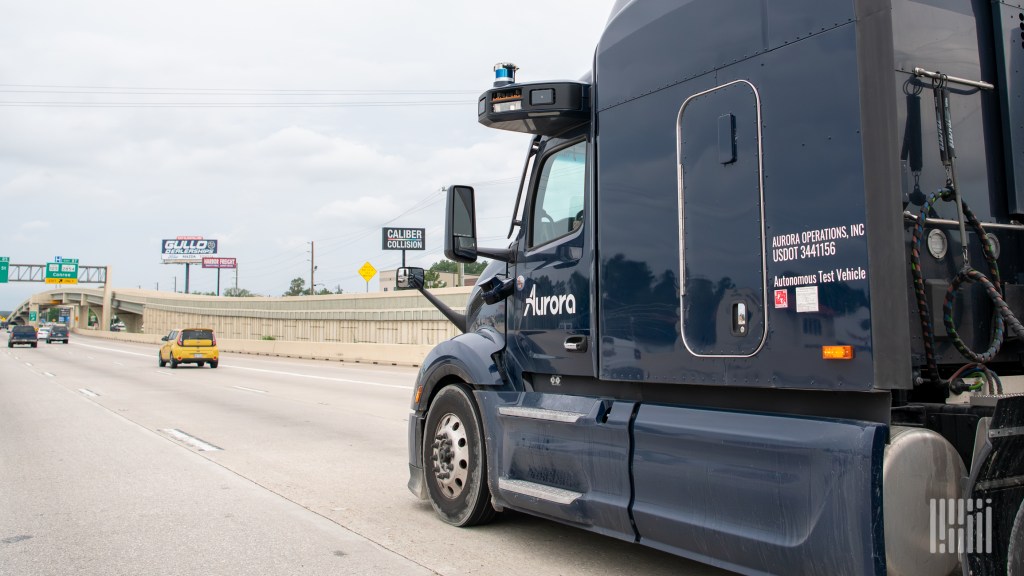
In addition, it would allow cab-mounted warning beacons to replace the requirement that warning triangles be positioned on the ground near disabled trucks – a change autonomous trucking companies have sought through rule exemption petitions but denied by FMCSA. Aurora Innovation (NASDAQ: AUR) is one of those companies.
“This bill would help the United States win the AI race by creating clear, safety-focused rules for the deployment of autonomous trucks,” Gerardo Interiano, Aurora’s senior vice president of government relations and public affairs, told FreightWaves in an email.
“We’ll continue partnering with leaders in Congress and throughout the federal government to highlight how autonomous trucks can not only save lives, but strengthen our economy and supply chain.”
Speeding the rollout of autonomous vehicles is also priority for the Trump administration.
Seval Oz, President Trump’s pick to spearhead autonomous vehicle priorities at the U.S. Department of Transportation as the department’s assistant secretary for research and technology, stated at her nomination hearing that the trucking industry “is a very interesting windfall benefactor” for the technology because of the potential for significant economic benefits.
“I think it’s one of the first use cases that we can emerge with, and I’m hoping to provide good clarity and guidance on how we can do that,” she told the Senate Commerce Committee on Wednesday.
ATA: 10-15 years away
The American Trucking Associations also supports the effort. ATA President Chris Spear, testifying in the Senate on Tuesday, said automated trucks will improve freight efficiency but insisted they are not a threat to truck driver jobs. When pressed, he told lawmakers he estimates fully autonomous trucks “to be 10-15 years away.”
Teamsters President Sean O’Brien, testifying at the same hearing, said he would demand that job protections be included in legislation regulating autonomous vehicles.
“I’m all for efficiencies – there are efficiencies built into [the labor agreement with port workers],” he said. “But there are also job protections in that agreement as a result of implementing new technology. So a priority would be that upon implementation, you protect and create new jobs.”
Universal Logistics sees impact of tariffs on Q2 revenue, earnings
Transportation provider Universal Logistics Holdings reported a decline in second quarter earnings and revenue due to lower intermodal volumes and slow demand, company officials said.
Universal Logistics Holdings released its second-quarter results after the market closed on Thursday and held an earnings call Friday.
The company reported second quarter revenue of $393.8 million, a 15% year-over-year decrease. Adjusted earnings per share decreased 73% year-over-year to 32 cents during the quarter.
“The second quarter of 2025 remained a challenging environment across the transportation and logistics industry,” CEO Tim Phillips said.
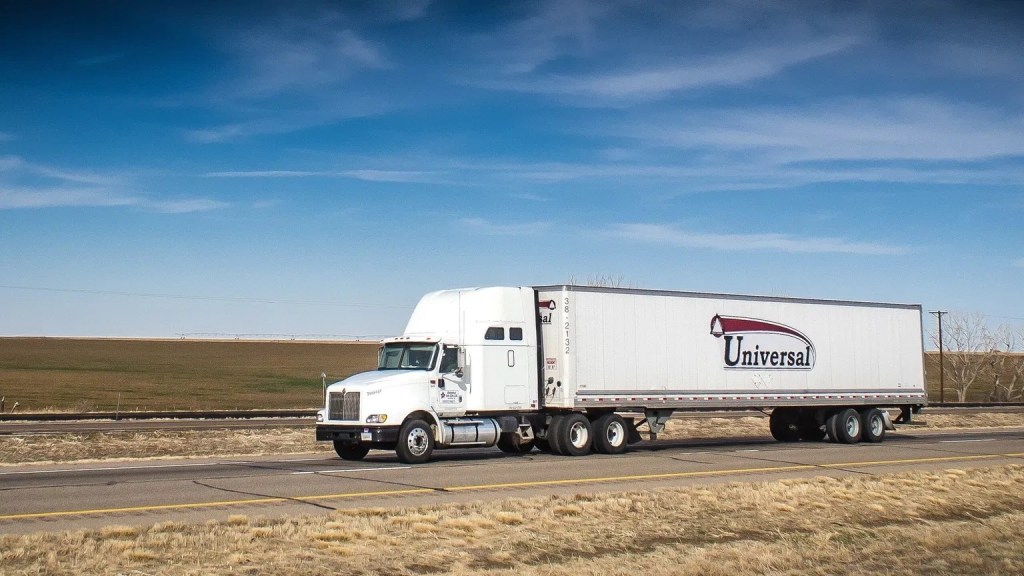
Universal Logistics (Nasdaq: ULH) is a Warren, Michigan-based truckload transportation, intermodal and logistics provider. The company provides services across the U.S, Mexico, Canada and Colombia and has more than 10,000 employees.
The company missed Wall Street analysts’ forecasts for revenue of $398.5 million and earnings per share of 34 cents in the second quarter.
“The contract logistics segment remains the cornerstone of our results,” Phillips said. “Revenues were $260.6 million, down slightly from Q2 of last year. The integration of Parsec continues to progress smoothly and it contributed $55 million in revenue during the quarter.”
Universal Logistics acquired rail terminal operator Parsec for $193.6 million in September.
Cincinnati-based Parsec provides terminal management services at 20 rail yards across North America. The company specializes in container lift services for Class I, regional and short-line railroads.
Universal Logistics currently operates 87 value-added programs, including 20 rail terminals, up from 68 programs a year ago.
“We are confident in the stability and long-term growth prospects of this segment, especially as we integrate our expanded footprint and pursue new contract opportunities,” Phillips said.
In the company’s intermodal segment, revenue decreased 13.5% year-over-year in the second quarter to $68.9 million.
During the second quarter, Universal saw a 12.9% year-over-year decrease in intermodal load volumes, caused by less imports, Phillips said.
“I think the tariffs did have an impact on our intermodal division and imports coming into the country,” Phillips said. “The way I saw it is we saw a general fall off in some of our normal volumes somewhere in the middle to end of May, and that lasted generally through the month of June. It appears that that fall off was specifically highlighted from discount retailers that had a large presence of Chinese sourcing.”
The trucking segment saw a 29.9% year-over-year decrease in second quarter revenue at $45.9 million.
On a year-over-year basis, trucking load volumes declined 22.6%, and the average operating revenue per load, excluding fuel surcharges, declined 8.9% to $1,927.
Company officials said there has been less demand for raw materials, along with goods such as wind turbines, that has contributed to softer demand in the trucking market.
“We haul blades, we haul towers, and we haul components. That business was impacted negatively in the first half of the year, primarily because of tariffs,” CFO Jude Beres said.
“A lot of those components are imported, but I think the cadence that we’re seeing in the back half of the year should make up for the shortfall in that business that we experienced in the first half. And then of course, we have a pretty clear runway now with the one big beautiful bill on what’s going to happen for the next five years through 2030. I think most of the headwinds in the wind side of the business are going to be manageable and start to improve in the coming quarters.”
Trade flows boost China, Europe ports while tariffs pain US gateways
Most of the world’s maritime centers shook off the effects of a U.S. trade reset in May as Drewry’s Global Container Port Throughput Index rose 1.4% from April and 5.4% year-on-year.
The London-based shipping consultant said that the rolling 12-month average global port handling growth rate held steady at 6.5% for the third consecutive month.
The Greater China Container Port Throughput Index slightly softened, experiencing a 0.4% month-over-month decline to 124.9 points. However, the year-over-year (y/y) perspective was more positive, with a 4.5% increase. The top five ports in Greater China saw average y/y growth of 7.2% in May. Shanghai particularly stood out, with volumes surging by an impressive 10.2%.
Conversely, the North American Container Port Throughput Index encountered some headwinds, reflecting both internal and external challenges.
In May, the index dropped by 8% month-on-month to 109.3 points, a decline largely attributed to the impact of the Trump administration’s April ‘Liberation Day’ tariffs. Despite these short-term setbacks, the index still grew 2.7% y/y, supported by a rolling 12-month average growth rate that, while slightly diminished, sustained a double-digit figure of 10.1%. Notably, the major West Coast ports experienced significant declines. Throughput at Long Beach plummeted by 26.3% m/m and 8.2% y/y, while Los Angeles saw decreases of 15% from April and 4.8% y/y. Manzanillo in Mexico and Seattle also faced declines, with throughput slipping by 10.4% and 9.6% y/y, respectively.
Vancouver, Canada and Mexico’s Lazaro Cardenas bucked the downward trend as y/y volume was better by 13.9% and 12.6%, respectively.
Europe also demonstrated resilience, where the Container Port Throughput Index saw a 3.7% increase April to May, coupled with a 5.3% rise y/y to reach 113.7 points. The rolling 12-month average growth rate improved to 5.4%, though still trailing behind the global average of 6.5%. A particularly noteworthy record came from Port Said East, which reported record-breaking throughput in May 2025. The East Mediterranean hub’s volume surged 20% m/m, and over 50% y/y, and 18% higher year-to-date compared to 2024.
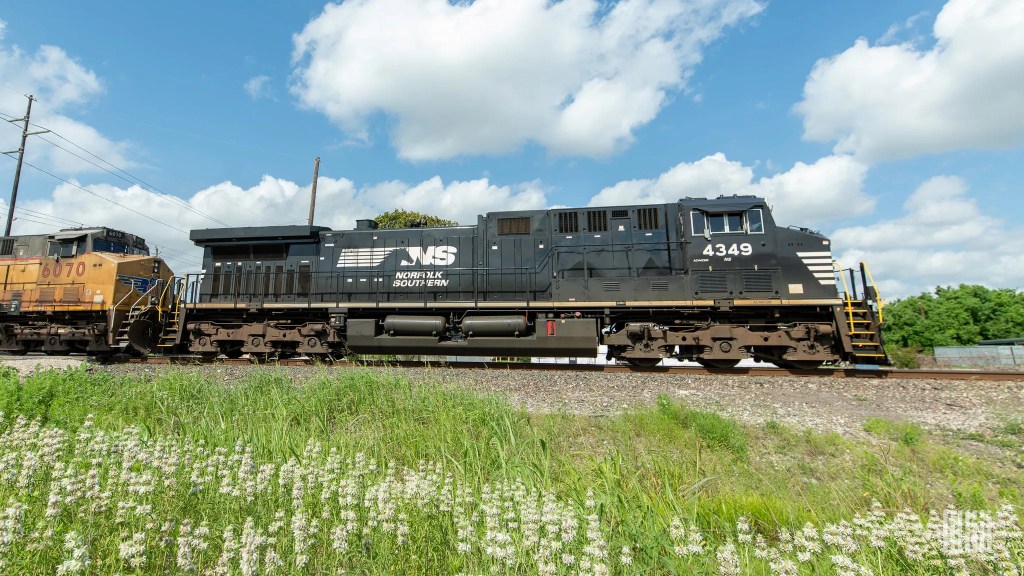
The Surface Transportation Board has launched merger resources pages on its website just a day after Union Pacific and Norfolk Southern confirmed that they are engaged in advanced talks over a combination that would create the first U.S. transcontinental railroad.
UP (NYSE: UNP) and NS (NYSE: NSC) said their talks may not result in a deal.
The STB’s information includes a sample timeline that depicts how a Class I railroad merger application might flow through the regulatory review process. That process — from railroads notifying the board of their intent to merge to a review of the application and final decision — would play out over a 19- to 22-month period.
The timeline would be subject to change based on how long it takes to complete the required environmental review or any additional hearings the board may hold. The Canadian Pacific Kansas City (NYSE: CP) merger review took two full years.
(Graphic: STB)
The resources page includes merger regulations and the board’s 2001 decision that discusses its rationale for imposing higher standards on additional mergers involving the big Class I systems.
The old merger rules essentially encouraged mergers. The current regulations increase the burden on railroads by requiring them to show that their merger would be in the public interest and enhance competition rather than merely preserve it.
The 2001 rules, which were drawn up after rapid consolidation in the 1990s led to service problems in the aftermath of the Union Pacific-Southern Pacific merger and the CSX (NASDAQ: CSX) and Norfolk Southern split of Conrail, remain untested. And none of the major Class I systems have filed a merger application under the new rules.
The board’s review of the Canadian Pacific-Kansas City Southern merger was conducted under the old rules. Certain mergers involving KCS were exempt from the board’s 2001 rules.
Saia’s Q2 results were better than feared, stock up 13% pre-market
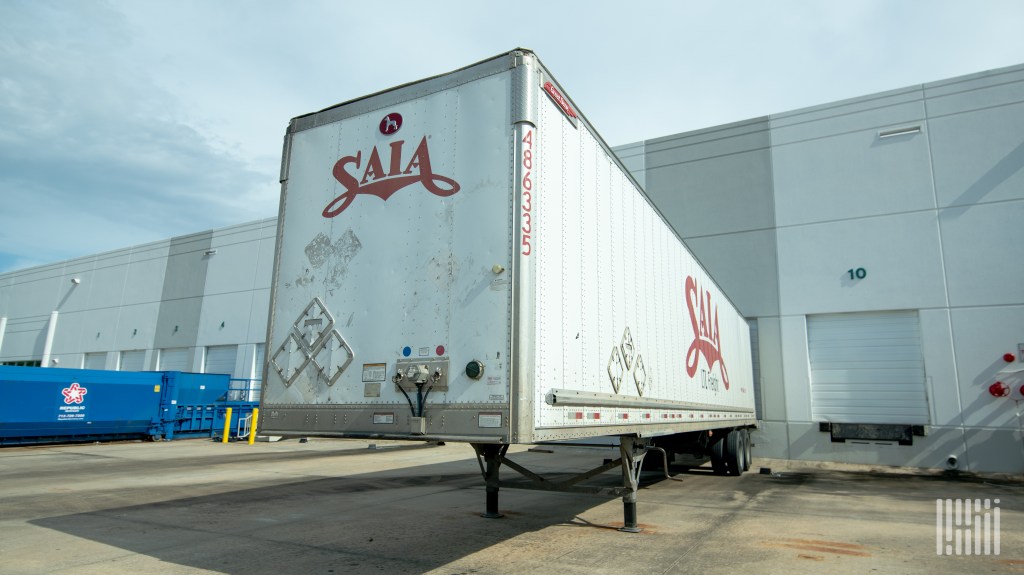
Less-than-truckload carrier Saia reported a significant step up in financial results during the second quarter, following a first-quarter miss that led to a 30% drop in shares on the day of the report. Tariff noise tanked demand in the first quarter, exacerbating incremental costs incurred by the company to open and operate new terminals.
Saia (NASDAQ: SAIA) reported second-quarter earnings per share of $2.67 ahead of the market open on Friday. The result was 28 cents ahead of consensus and 81 cents better than the first quarter. (The EPS result was $1.16 lower year over year.)
A combination of higher interest expense (net debt used to fund terminal acquisitions increased $125 million y/y) and a higher tax rate were a 10-cent drag on the quarter.
The better-than-expected result pushed Saia’s shares 12.9% higher in pre-market trading on Friday.
The Johns Creek, Georgia-based carrier reported a slight y/y dip in revenue to $817 million, but the result was $9 million ahead of analysts’ expectations.
Tonnage increased 1.1% y/y but revenue per hundredweight, or yield, was down 2.1% y/y (1.2% lower excluding fuel surcharges). The tonnage increase resulted from a 2.8% decline in shipments, which was offset by a 4% increase in weight per shipment.
Higher shipment weights were a drag on the yield metric in the period and were only partially offset by a 0.6% increase in length of haul.
“I was pleased with our team’s ability to focus on what was within our control in the second quarter,” said Saia President and CEO Fritz Holzgrefe in a news release. “Our continued emphasis on taking care of the customer in all of our markets, mix management, and managing costs to adjust to current volume trends demonstrated our ability to navigate a dynamic backdrop.”
Saia reported an 87.8% operating ratio (inverse of operating margin), which was 450 basis points worse y/y, but 330 bps better than the first quarter. The result was also 120 bps better than management’s guidance.
Cost per shipment was up 7.7% but revenue per shipment increased just 1.8%.
Saia will host a conference call at 10 a.m. EDT on Friday to discuss second-quarter results.
UPS to temporarily shut New Orleans parcel center, dismiss workers
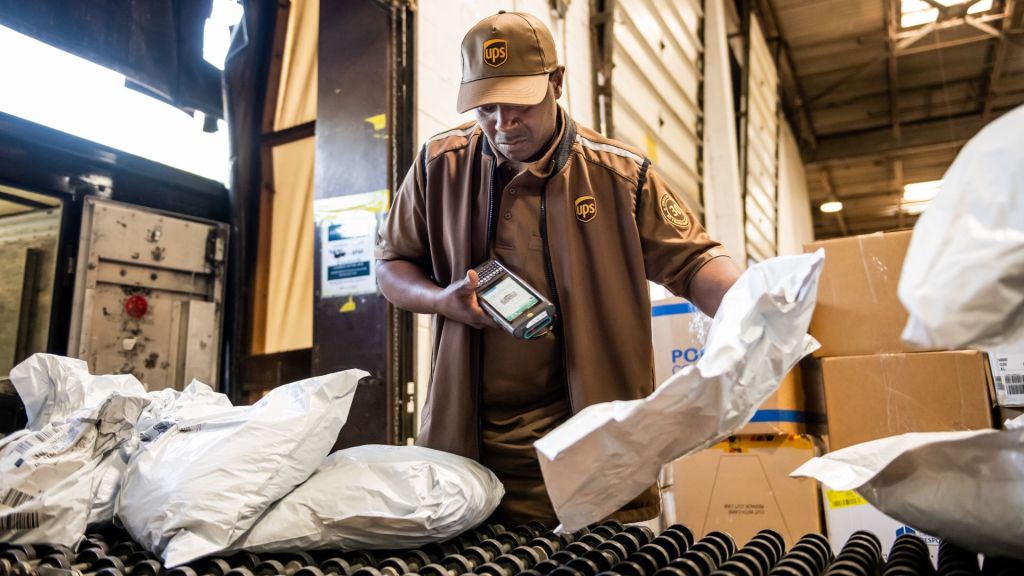
UPS will temporarily close a parcel sortation center in New Orleans and lay off 177 personnel, according to a company notice filed with the Louisiana Workforce Commission.
The move is part of a multi-year campaign to streamline the company’s shipping network and improve efficiency as domestic parcel volumes decline. All but 13 workers at the 5700 Morrison Road facility are part-time employees.
NOLA.com, a news platform for several local media organizations in New Orleans, posted a story about the closure on Tuesday. A UPS (NYSE: UPS) spokesperson told the outlet that the Morrison Road facility will reopen sometime next year and that the company will try to relocate as many workers as possible to other locations.
Last October, the company closed its adjacent customer service center.
UPS has previously said it plans to eliminate 20,000 workers as it scales back delivery activity for Amazon and consolidates. In March, UPS closed a package center in Portland, Oregon, until September 2026 so it can upgrade the facility to handle more package volume.
UPS last year said it plans to eliminate 200 sort centers over five years and route parcels handled at those facilities to more modern ones.
Turning Detention into Leverage – Small Moves That Lead to Big Rates
Many carriers look at detention as a nuisance. Time sucks. A fight for pennies after hours of wasted time. And on the surface, they’re not wrong—detention is frustrating. But if you know how to track it, document it, and use it in negotiations, detention becomes more than a delay. It becomes leverage.
This isn’t about crying over wait time. It’s about turning your data into negotiating power and protecting your bottom line. The smartest fleets aren’t just chasing miles—they’re learning how to turn inefficiencies into opportunities.
Let’s break down how.
Start by Tracking Detention Ruthlessly
You can’t leverage what you don’t track.
Every single time your truck sits past the agreed-upon free time, it needs to be logged—clearly, consistently, and with evidence. That means:
Photos of wait areas and in-transit communication (texts, calls, emails)
Don’t wait until you need this data to start collecting it. By then, it’s too late. Build the habit now so your records speak for themselves when it’s time to invoice—or when it’s time to renegotiate a contract.
Stop Begging for Detention—Start Billing for It
Many small carriers treat detention like a favor. “Can we maybe get paid for this time?” That mindset keeps you unpaid.
The minute you step into a shipper or broker relationship without clear detention policies, you’re giving up leverage. Your rate confirmations should always outline your detention terms—when it starts, how much per hour, and what documentation you’ll provide. This discussion should be had before you agree to a load not after.
Even if you’re working spot market loads, you can set expectations on the front end. Don’t be afraid to confirm in writing:
We allow 2 hours free time, then $75/hour detention billed in 15-minute increments. Arrival and departure times will be supported by ELD and signed BOLs.
It’s not aggressive—it’s professional. And the fleets that treat themselves like professionals get paid like professionals.
Use Detention Data to Raise Your Rates
This is where the real power comes in.
If you’re running lanes for a customer or broker and consistently seeing long dwell times, it’s time to go beyond detention fees. It’s time to raise your rates.
Here’s how you frame it:
We’ve delivered 14 loads for you over the last 60 days. On 11 of those loads, detention started after the 2-hour mark, and our trucks averaged 3.75 hours on site. That’s over 20 hours of unpaid truck time in a two-month span. If that’s the standard with this facility, we’ll need to adjust our rate accordingly moving forward.
Now you’re not just complaining—you’re justifying. You’ve got the data. You’ve got the track record. And more importantly, you’ve got the discipline to ask for more money backed by facts, not feelings.
Don’t Let the Driver Be the Only Witness
This one matters.
If your only “proof” of detention is a phone call from a frustrated driver, you’ve already lost. The most successful small fleets make it easy for their back office to back up the driver.
That means:
Centralized detention log shared with dispatch
Routine check-ins when a driver hits the 1-hour mark onsite
Dispatcher confirms with facility or broker that the truck is still waiting
Follow-up email summarizing time lost and requesting approval for detention
This doesn’t need to be fancy. It just needs to be consistent. Because the more proactive you are, the less likely someone on the other end will try to act surprised when that invoice hits their inbox.
Identify Chronic Offenders and Reprice the Relationship
If certain customers are constantly burning your clock, ask yourself this:
Are we pricing this relationship with detention built in—or are we hoping they magically get better?
You already know the answer. Some facilities won’t change. They’re always backed up. Always understaffed. Always dragging their feet on paperwork.
You can’t wish them into better behavior. But you can bake that inefficiency into your rate.
If you normally charge $3.25 per mile and know you’ll lose 2-3 hours on site, that lane might need to be $3.85 just to justify your time. Don’t let your wheels roll at full price while your truck sits at a discount.
Teach Your Customers the Cost of Their Delay
Some shippers and brokers genuinely don’t understand how much detention costs you.
They think, “It’s just an extra hour or two.”
So show them.
Walk them through the numbers:
$75/hour truck cost
$150 detention revenue lost
One less load completed that day
Driver frustration and potential burnout
Fuel and reefer hours burned unnecessarily
Help them see that this isn’t just about “being late”—it’s about business efficiency, missed revenue, and real consequences. The more you educate them, the more they’ll respect your time—and your rate.
Final Word
Detention is more than just delay—it’s data. And in this business, data equals leverage. The fleets that win long-term don’t just drive—they document. They communicate. They charge what their time is worth.
So the next time your truck is sitting at a dock burning hours, don’t just get mad. Get evidence. Get organized. Get paid.
Because in this game, every minute counts—and smart carriers know how to turn those minutes into margin.
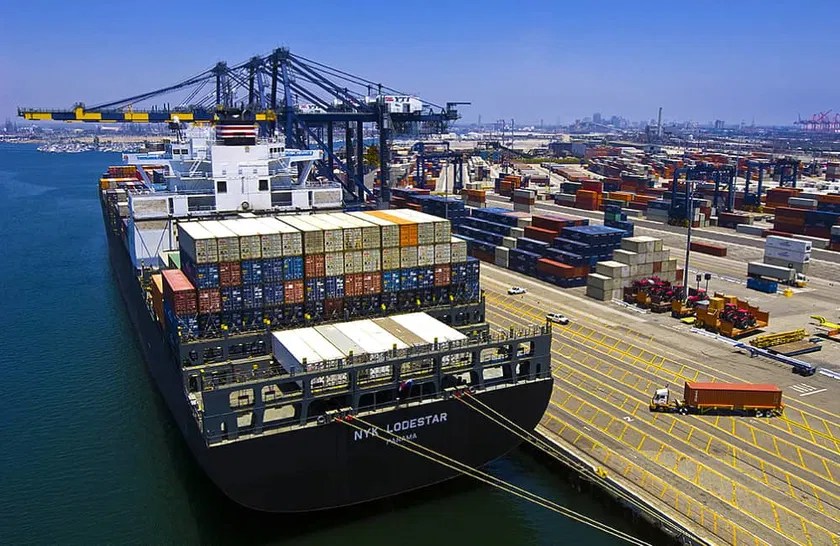
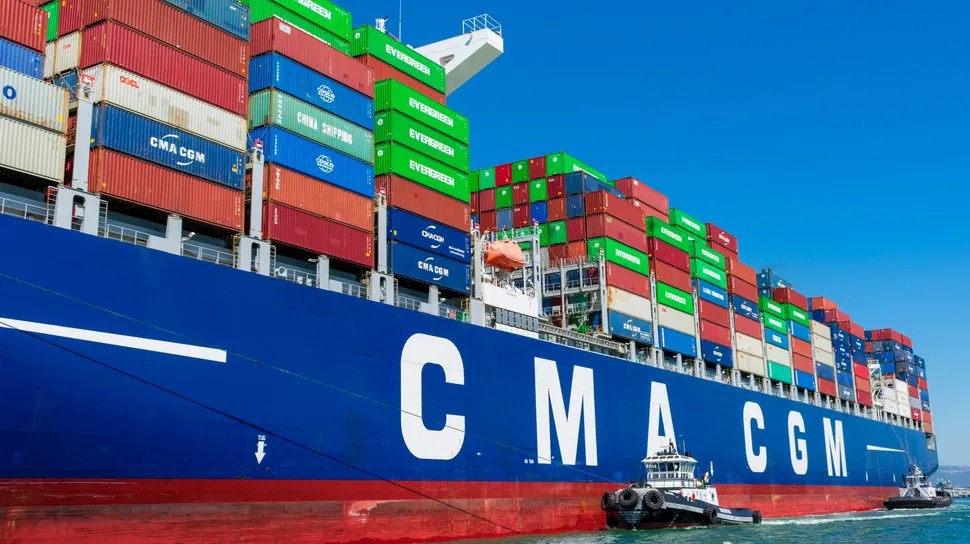
CMA CGM container vessel becomes largest under U.S. flag
The U.S. Department of Transportation’s Maritime Administration (MARAD) recently celebrated a significant milestone in advancing America’s maritime strength through the reflagging of the CMA CGM Phoenix.
During a ceremony at the Port of Charleston, the 9,300-TEU neo-panamax container ship became the largest-ever U.S.-flagged vessel of its kind. The acting administrator of MARAD, Sang Yi, underscored the significance of this achievement, stating, “Adding the CMA CGM Phoenix into the U.S.-flagged fleet is a powerful move toward reclaiming America’s maritime strength. This is about more than ships; it’s also about jobs, trade, and economic strength and national security for Americans.”
Launched in 2013 under Singapore’s registry, the CMA CGM Phoenix spans approximately 1,079 feet in length and 151 feet in width, boasting a weight of 110,000 gross tons and a deadweight capacity of about 130,000 tons.
As the 11th U.S.-flag vessel in Marseilles-based CMA CGM’s service, the ship joins an elite fleet including tankers, container ships, and more, all serving as pivotal components of America’s maritime initiative.
The reflagging of such a significant ship aligns with President Donald Trump’s Executive Order on Restoring America’s Maritime Dominance, a directive aimed to solidify the United States’ competitive edge in global commerce. CMA CGM has committed to tripling its U.S.-flagged fleet by 2029, backed by a $20 billion investment in U.S. maritime, logistics, and port infrastructure.
As a cornerstone of the nation’s security and economic framework, the U.S.-flagged fleet now comprises 189 vessels, including tankers, container ships, dry bulk carriers, vehicle carriers, and more. The decision to expand the U.S.-flagged fleet not only supports the Department of Defense by providing essential sealift capabilities during conflict but also exemplifies a strategic move to protect and expand the United States’ market influence in the maritime supply chain.
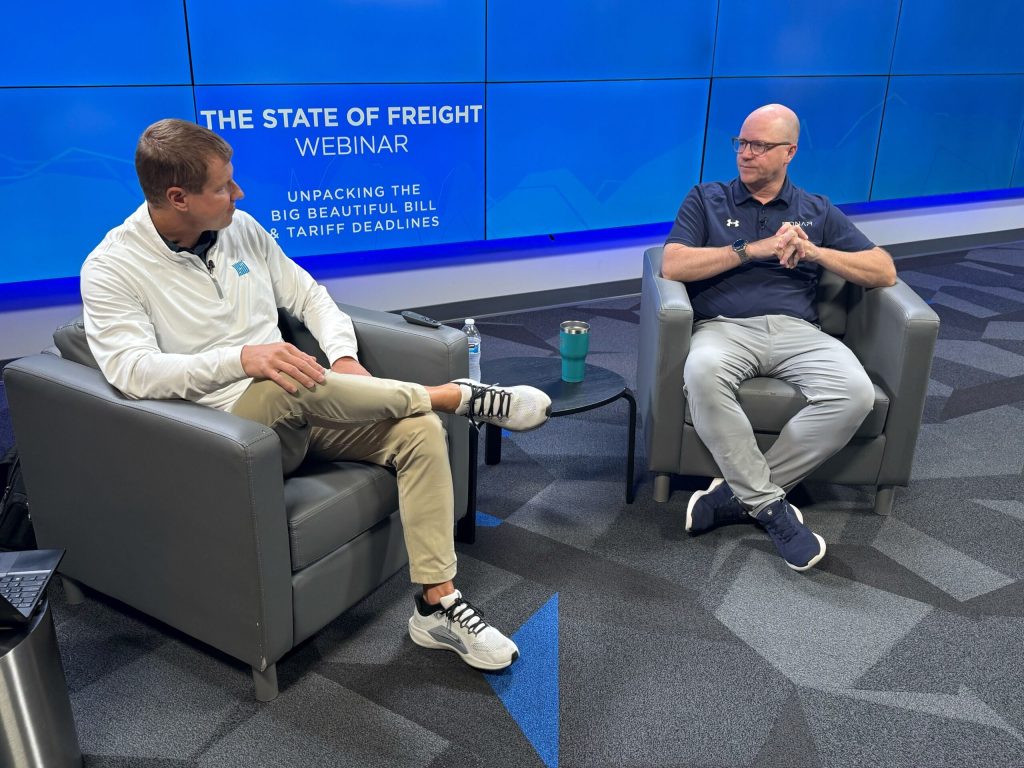
Five takeaways from the State of Freight for July: What earnings and the indices are saying about the market
Tariffs have been a major focus of recent installments of FreightWaves’ monthly State of Freight webinar, held in conjunction with SONAR, but they took a back seat this month to various data points.
What those data points are saying–whether they are about company finances or numbers on demand and capacity–was the focus of the July webinar with FreightWaves and SONAR CEO Craig Fuller and Zach Strickland, SONAR’s director of freight market intelligence. Here are five takeaways from Thursday’s session.
One index rising, the other falling
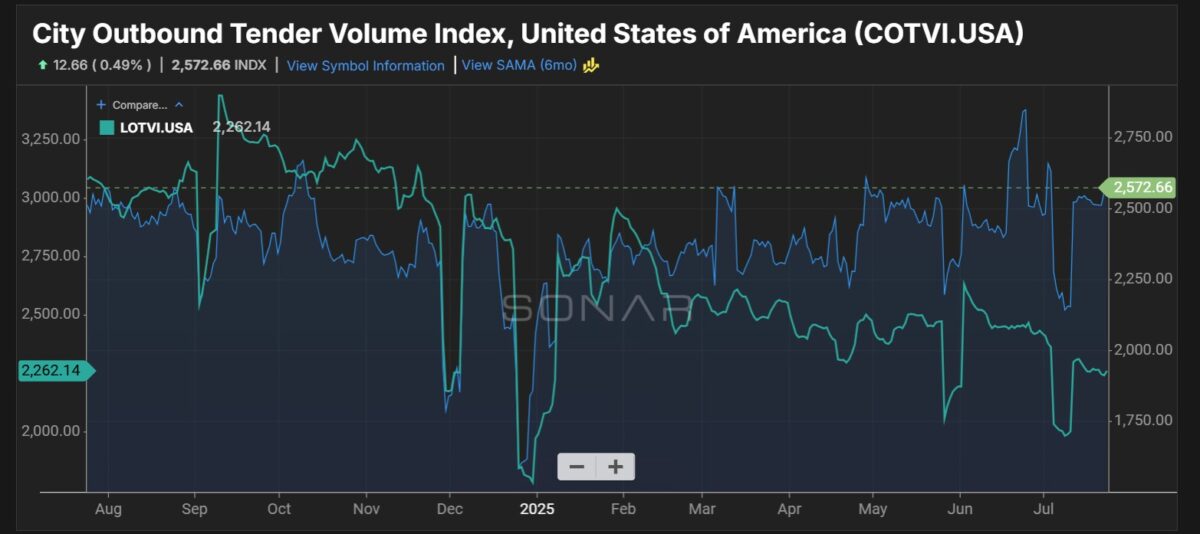
Two trends are showing up in SONAR data that at times can reflect a degree of correlation but isn’t doing so now: the outbound tender rejection index (OTRI) is rising, while the outbound tender volume index (OTVI) is falling.
The OTVI is reflecting what might be expected given that everybody in the sector still sees the freight market in some degree of a recession. But the OTRI is rising, a sign of tightening capacity as independent owner operators take their trucks off the road and fleets continue to disappear, not able to survive current conditions.
Fuller said capacity had been on an upswing for several years, “with a flood of new participants, companies and truck drivers.”
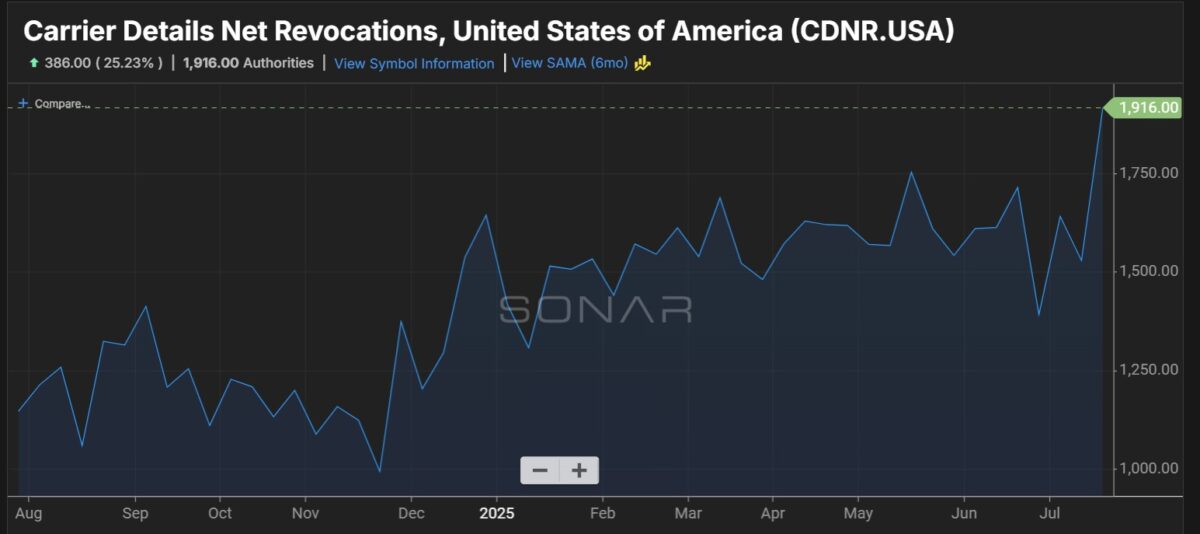
But Strickland showed a chart showing recent increases in net revocations of motor carrier authorities granted by the Federal Motor Carrier Safety Administration (FMCSA).
Fuller said he believed enforcement of the English-language only was having just a “fractional” impact on capacity. But it could become a significant issue if there is a rebound in the housing market that leads to more trucking demand.
Strickland and Fuller discussed possible other reasons for the rise in revocations, including impacts from the Drug & Alcohol Clearinghouse. “This is an ongoing thing that we really need to pay attention to,” Strickland said.
Earnings season and what it is saying
The July State of Freight webinar occurred in the middle of numerous transportation companies releasing their quarterly reports. The performance of a few companies came in for discussion, including Heartland Express (NASDAQ: HTLD), which posted yet another quarterly loss Thursday.
Fuller noted that Heartland’s acquisitions over the years have been in the commodity truckload business, “based on a 1990’s long haul business that is no longer there.”
He also spoke from personal experience as a member of the family that founded U.S. Xpress, whose profile and financial troubles were similar to what Heartland Express is going through. U.S. Xpress eventually was purchased by Knight Swift.
“The long haul business is dead for those truckload operators,” Fuller said. “Unfortuantely, Heartland just can’t seem to get a handle on that.”
U.S. Xpress is now a division of Knight Swift (NYSE: KNX). In Knight Swift’s second quarter earnings report, the company said U.S. Xpress had seen its operating margin improve by 300 basis points over the last year. “Knight Swift has really proven that it can bring U.S. Xpress back to some level of sustainability,” Fuller said, noting the contrast with Heartland’s struggles.
Short haul ascendant
The discussion about Heartland’s ties to long haul truckload activity led Strickland to pull up a chart from SONAR showing its index for short haul versus long haul activity. Generally, long haul runs at a higher index, but that has flipped in recent months.
The data comes from tenders. Long haul business is anything over 800 miles, Strickland said.
Fuller said he believes the shift is part of a longer term trend. But he also said he believes the sort of reindustrialization of the U.S. economy being pursued by the Trump administration could reverse that change.
But there’s a risk for trucking, he said. As the long haul sector of the freight market becomes more dependent on import activity, “then a lot of that is going to be containerized and going to go on the railroads.”
Across the country on one company’s set of tracks
With negotiations ongoing between Norfolk Southern (NYSE: NSC) and Union Pacific (NYSE: UNP) that would create the country’s first true transcontinental railroad, the impact on the transportation sector became a topic of discussion.
Describing railroads as a “dream business,” Fuller noted that Union Pacific profitability has exceeded that of Microsoft at times.
“The consolidation ends up making them that much more profitable,” he said. As to the question of who else might benefit from a consolidation besides the railroads, Fuller said “I would argue that rarely does a real merger benefit the shippers.”
However, a consolidation between the two railroads, UP in the west and NSC in the east, would likely aid large shippers like Amazon. .
Owner operators and brokers would likely lose, he said, but he added that large intermodal carriers such as J.B. Hunt (NASDAQ: JBHT) or HubGroup (NASDAQ: HUBG) would benefit. “I think the traditional railroad shippers, the big commodity players like coal or grains, they probably lose because the service quality will likely deteriorate for them. But it should improve for intermodal.”
A revival of freight tech
Fuller said that “one of the most exciting things happening at freight now” is a revived interest in freight technology.
Prior to the pandemic, Fuller said there were a slew of technology vendors offering new products, backed by venture capital.
But beyond that, he said, “there’s just a lot of deal flow happening.” He described much of the activity as being around “next generation” technology, like freight tech powered by AI.