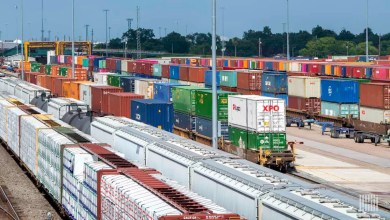
Initial reactions to rail merger plan mostly skeptical or negative
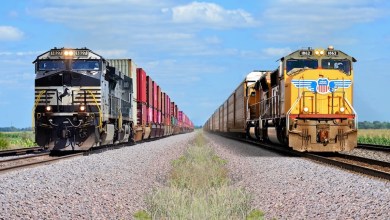
Skepticism over claimed benefits marked reactions to the Union Pacific-Norfolk Southern merger filing.
Railroads continue to play a significant role in North America’s economic infrastructure. According to the U.S. Department of Transportation Federal Railroad Administration, the U.S. rail freight network covers almost 140,000 route miles and is generally considered the largest, safest, and most cost-efficient freight system in the world. In addition, says the FRA, the almost $80 billion rail freight industry creates more than 167,000 jobs across the country.
In essence, rail freight companies charge businesses to carry cargo across their network of rails. Their rates are overseen by the Surface Transportation Board, a federal agency that regulates financial aspects of surface transportation. Major railroads in North America include Union Pacific Railroad, BNSF Railway, CSX, Norfolk Southern, Canadian Pacific Kansas City and Canadian National Railway.
Keep up with the latest news, trends and reports concerning rail freight transport here!
Skepticism over claimed benefits marked reactions to the Union Pacific-Norfolk Southern merger filing.
The Surface Transportation Board is asking comments on the completeness of the 7,000-page merger application from Union Pacific and Norfolk Southern.
Merger of Union Pacific and Norfolk Southern will create 10,000 single-line rail lanes, annually shifting 105,000 truckloads to rail and improving efficiency by eliminating interchanges.
The merger filing by Union Pacific and Norfolk Southern doesn’t change the fact that the merger is bad for the economy and consumers, BNSF CEO Katie Farmer said.
Union Pacific and Norfolk Southern file a comprehensive merger application with the Surface Transportation Board to create America’s first transcontinental railroad.
Union Pacific and Norfolk Southern will file their formal merger application Friday with the Surface Transportation Board, detailing historic plans for the first transcontinental railroad.
Rail freight has been below 2024 levels for eight consecutive weeks, according to the Association of American Railroads.
Two of the largest U.S. railroad unions oppose the proposed merger of Union Pacific and Norfolk Southern, raising concerns that the first transcontinental rail system could lead to increased safety risks and higher freight rates.
Union Pacific has finished expanding its Casa Grande Yard, effectively doubling the facility’s capacity.
The monthly BLS report, catching up on October and November data, showed a steady decline in truck transportation employment.
Will joined gas conglomerate CF Industries in 2007 and had served as CEO since 2014
Union Pacific and Norfolk Southern win the backing of Congressmen from Deep South states where they operate for their controversial transcontinental rail merger.
Intermodal shipments led U.S. rail freight lower in the latest weekly data but traffic remains higher year-to-date.
Union Pacific has set a specific date to submit its application to federal regulators for its merger with Norfolk Southern.
CSX’s new CEO won’t be flying the company jet.
The Federal Railroad Administration approved a waiver to allow for the expanded use of automatic track inspection technology.
Chassis provider TRAC has had its debt rating cut by Moody’s.
As an historic merger is set to reshape the U.S. supply chain, railroads say data proves they are the engine that powers the domestic economy.
The railroads had expected to file their formal merger application with the Surface Transportation Board this week.
U.S. ports urge strict evaluation by Surface Transportation Board of proposed transcontinental rail merger, cautioning on impact to the supply chain and economy.