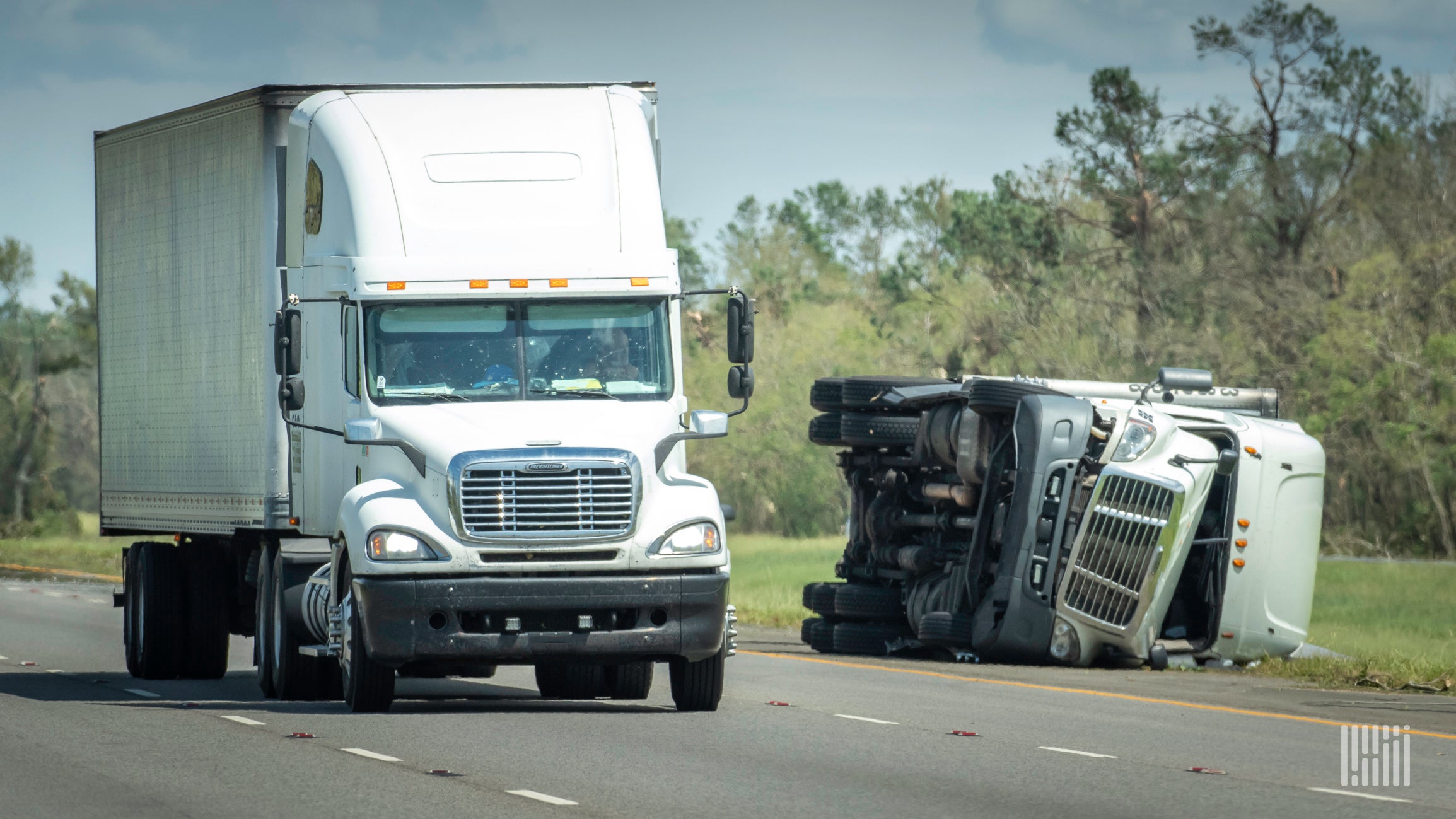
Four Amish men are dead in Jay County, Indiana. A father and his two sons, ages 19 and 25, and a family friend. Killed on February 3 when a Freightliner semi driven by 30-year-old Bekzhan Beishekeev, a Kyrgyzstani national who entered the country through the Biden administration’s CBP One app and received his CDL from Pennsylvania, swerved into oncoming traffic rather than braking for a slowed truck ahead of him. The van was carrying 15 people.
Three weeks earlier, Kamalpreet Singh, an illegal immigrant living in California, rear-ended and killed Robert Pearson in Washington state. Singh was released on bond despite an ICE detainer. Pearson’s family says no lawyer will take their case because the liability chain is so fractured that no single entity can be held accountable.
Last August, Harjinder Singh, a 28-year-old Indian national in the country illegally who couldn’t speak English, killed three Haitian migrants on Florida’s Turnpike after making an illegal turn. He held a non-domiciled CDL from California.
In Alabama, the Pruitt crash killed eight children when a truck slammed into the back of a Ford Explorer at over 50 mph. The driver, an Ethiopian immigrant who came through a CDL mill network in Clarkston, Georgia, was never charged criminally for killing those children. Three years later, that same driver now operates his own trucking company under active federal authority. The carrier owner who put him behind the wheel has operated at least eight different companies since the crash. No meaningful accountability for anyone.
In June 2024, Ignacio Cruz-Mendoza, a 16-time-deported illegal immigrant from Mexico, lost control of his truck hauling improperly secured steel piping for Monique Trucking, a carrier with 18 violations and multiple ignored out-of-service orders, and crushed 64-year-old Scott Miller to death. Miller and his wife, Deann, had just retired from the trucking industry themselves. They had plans. Cruz-Mendoza received a downgraded charge of misdemeanor careless driving and served nine months and 23 days.
June 21, 2019, seven members of the Jarheads Motorcycle Club, Marine Corps veterans and their spouses, were killed in Randolph, New Hampshire, when a pickup towing a flatbed for Westfield Transport crossed the centerline and plowed into their formation. The NTSB found the driver was impaired by heroin, fentanyl, and cocaine, had a suspended license in Connecticut, and that the carrier’s managers routinely tampered with electronic logging devices and falsified hours-of-service logs. The driver, Volodymyr Zhukovskyy, was acquitted of all manslaughter charges. The carrier owner, Dunyadar Gasanov, pleaded guilty to three counts of making false statements. His sentence: two months in prison. Seven dead Marines. Two months.
I’ve spent 25 years in trucking. CDL driver. Freight broker. Fleet executive. Compliance consultant. Expert witness. I’ve held nearly every job in this industry from the cab to the C-suite to the courtroom, and I’ve spent the last year systematically documenting every failure point in the system through my “30 Days of Why” investigative series on Substack and here on Freightwaves. What I found isn’t a handful of bad actors exploiting a few loopholes. It’s a machine. A self-attesting fraud machine with interlocking parts that was built over two decades, and it’s grinding Americans into the asphalt while every party in the supply chain points fingers at someone else.
This is the State of Trucking in 2026. Every piece of it. The people making policy need to see the full picture, and the drivers and families paying the price deserve to know why.
The Accountability Crisis Of Kill. Catch. Release.
If there is a single word that defines the state of trucking in 2026, it’s unaccountable. Nobody is accountable for anything. Not the carriers. Not the brokerages. Not the shippers. Not the state agencies issuing licenses. Not the medical examiners’ rubber-stamping physicals. Not the third-party testers selling passing scores. If there’s going to be accountability, it’s almost always isolated to the drivers who kill people on the highway. That’s not the general rule, sometimes even the driver walks free.
Dunyadar Gasanov falsified driver logs, instructed employees to deactivate electronic logging devices, lied to federal investigators, and knowingly employed a drug-impaired driver with a suspended license who killed seven Marine veterans. His punishment consisted of two months. His driver was acquitted entirely. Seven families buried their loved ones, and the system handed them nothing. The driver, despite still living in the US under Temporary Protective Status, requested that his CDL be returned. He failed, but he’s eligible again in June.
The Pruitt crash in Alabama is arguably worse. Eight children were burned alive in a crash caused by a driver who came through an Ethiopian CDL mill network, employed by a carrier with known violations. The driver who delivered the killing blow, rear-ending the Explorer at over 50 mph, faced no criminal charges. Not one. And the regulatory system that failed to prevent an unqualified driver from obtaining a CDL didn’t just let him walk; it rewarded him. That driver now operates his own trucking company under active federal authority. The carrier owner who put him in the truck has since opened at least eight more companies. Nobody in the NTSB or FMCSA investigation even questioned how the driver obtained his commercial license in the first place. No investigation of the CDL school. No investigation of the Ethiopian trucking network in Clarkston, Georgia. The system treated the symptoms and ignored the disease.
Ignacio Cruz-Mendoza was deported 16 times. He was hauling improperly secured 500-to-1,000-pound steel piping on a flatbed that hadn’t been inspected in over two years, for a carrier that had been ordered to cease operations multiple times. He killed a retired trucker, a man who had spent his career doing it the right way. The criminal justice system gave Cruz-Mendoza a misdemeanor. Nine months. The only justice Deann Miller received came from ICE, which showed up on the day he walked out of jail and deported him. Not from the courts. Not from FMCSA. From immigration enforcement.
Meanwhile, in Texas, SB 39 passed the state Senate, a bill that would prevent juries from hearing about a trucking company’s prior safety record or driver hiring failures unless the court has already found the company at fault for the crash in question. Think about that. A carrier with 50 prior violations hires an unlicensed driver who kills a family, and the jury might never hear about the pattern. We should absolutely pursue litigation reform; third-party litigation funding has driven nuclear verdicts that threaten legitimate carriers, but absolving fleets of accountability for their history is not reform. It’s a shield for negligence.
Accountability means consequences that match the gravity of the failure. Right now, you face stiffer penalties for tax fraud than for running an illegal trucking operation that kills someone. Until that changes, until carrier principals face real prison time, until brokerages face real liability, until the entire chain of profit is held to the same standard as the chain of harm, nothing changes. People will keep dying.
Licensing Standards
A commercial driver’s license is supposed to mean something. It’s supposed to mean the person holding it has demonstrated the knowledge, skill, and physical fitness to operate a vehicle that can weigh 80,000 pounds at highway speed alongside families in sedans. In 2026, the CDL means whatever the issuing state decides it means, and the standards vary so wildly that calling it a “national” licensing system is a joke. I baby mine because it was so difficult for me to get I ensure I take care of it. They’re no longer as difficult to get as they were 25 years ago.
The DOT Office of Inspector General has been raising this alarm for years. Their audits have repeatedly questioned whether we have one CDL standard or 50. With nearly 5,000 truck and bus fatalities last year and English proficiency enforcement under scrutiny, the latest OIG audit could reshape how states test, license, and oversee drivers nationwide. But the question is whether it actually will, or whether it’ll be another report that gathers dust while bodies pile up.
Start with the skills test itself. Federal regulations establish minimum standards for what the CDL skills test should include: a pre-trip vehicle inspection, a basic vehicle control test, and an on-road driving test. But states have enormous latitude in how they implement those standards. Some states require extensive behind-the-wheel training and rigorous road tests on challenging routes. Others allow third-party examiners to administer the test in private courses with minimal exposure to traffic. The result is a patchwork where a CDL earned in one state may represent fundamentally different competencies than a CDL earned in another.
English proficiency is a prime example. The requirement that CMV drivers be able to read and speak English sufficiently to communicate with the public and understand highway signs has existed since 1937. The Obama administration’s 2016 guidance told inspectors to issue warnings rather than out-of-service orders to non-proficient drivers. That single policy change, downgrading enforcement from removal to a note in a file, opened the floodgates. Secretary Duffy’s May 2025 order reinstated out-of-service enforcement for English proficiency violations, but even with that restoration, inspectors issued 6,455 English-language proficiency violations through October 2025 while placing only 1,816 drivers out of service. That’s a gap of over 4,600 drivers cited for not speaking English while behind the wheel of a commercial vehicle who were allowed to keep driving.
The non-domiciled CDL system has been the most spectacular licensing failure. New York programmed its DMV systems to default to eight-year license terms for non-REAL ID CDLs regardless of when a foreign driver’s legal presence expired, a systemic, intentional disregard of federal requirements. California issued CDLs with endorsements to drive passenger buses and school buses to drivers whose legal status had expired years earlier. Pennsylvania issued a CDL to Bekzhan Beishekeev, who then killed four people in Indiana. In every case, the states defended their processes until the federal audit exposed them.
The FMCSA’s Entry Level Driver Training rule, effective February 2022, was supposed to professionalize the front end of the pipeline by requiring all new CDL applicants to complete training at a school listed on the Training Provider Registry. At peak, more than 35,000 providers were registered. The vetting was essentially self-certification. Schools could register, issue completion certificates, and put students on the road with minimal oversight. FMCSA has since removed thousands of providers for noncompliance, but only after tens of thousands of drivers had already been certified through programs that couldn’t meet basic standards. We need a different approach to driver training and licensing.
Then there’s the third-party examiner system, where states outsource CDL skills testing to private entities. My Day 28 investigation compiled a criminal case repository spanning 2001 to 2025, including dozens of federal and state cases involving corrupt examiners selling passing scores. Georgia. Washington. Massachusetts. Illinois. The pattern repeats across states and decades: examiners take money, drivers get licenses they didn’t earn, and people die. The George Ryan scandal in Illinois, where CDL bribes funded a governor’s campaign and contributed to a crash that killed six children from the Willis family, is the most infamous case. But it’s not the exception. It’s the template.
We don’t have a national CDL standard. We have 50 state interpretations of a federal suggestion, administered by a mix of state employees and private contractors with varying levels of competence and integrity, overseen by an agency that can’t audit fast enough to keep up with the fraud. And then we put those drivers on the same highways as your family.
The CDL Pipeline and Where the Fraud Begins
Every fatal crash involving an unqualified driver starts with a license that should never have been issued. And the CDL issuance system in America isn’t just broken, it’s been systematically exploited for profit at every level.
CDL mills, and I call them that because that’s what they are, are licensing factories. During my 30 Days of Why investigation, I documented operations coast to coast in which students paid thousands of dollars, spent a few hours in a truck, and walked away with completion certificates that allowed them to take the CDL skills test. Some never drove at all. The certificates were pre-signed. The training records were fabricated. In one case documented by the Inspector General, a CDL school owner was convicted alongside a third-party examiner for altering test dates and hand-picking easy routes. In Washington state, a CDL school bribery scandal led to federal charges.
The medical examiner system is the other broken gate. Every commercial driver must pass a DOT physical from a certified medical examiner on FMCSA’s National Registry. In practice, I’ve identified examiners issuing physicals in volumes that would be impossible if actual examinations were being conducted, hundreds of certificates per month from single practitioners operating out of strip malls and truck stop parking lots. Two-year certificates are going to drivers who should have been flagged for disqualifying conditions. When examiners are removed from the registry, the certificates they issued may still be valid, depending on the reason for their removal.
The Nationwide CDL Audit
In June 2025, Transportation Secretary Sean Duffy launched the most significant federal intervention in CDL integrity in modern history, a nationwide audit of non-domiciled commercial driver’s license issuance, directed by President Trump’s executive order on truck driver roadway safety. The results vindicated everything the industry had been screaming about for years.
New York: 53 percent failure rate. Over half of the sampled non-domiciled CDL records were issued in violation of federal law. DMV systems defaulted to eight-year terms regardless of immigration status expiration. One CDL was issued to “No Name Given Anmol.” That driver was later apprehended in Oklahoma.
California: More than 25 percent of non-domiciled CDLs reviewed were improperly issued, with licenses extending up to four years beyond the expiration of lawful presence. California ultimately admitted to illegally issuing 17,000 non-domiciled CDLs. When they missed the January 5, 2026, deadline to revoke them, Secretary Duffy withheld approximately $160 million in federal highway funding. In one case, a Brazilian driver was issued a CDL with endorsements to operate passenger and school buses, even though his legal status had expired months earlier.
North Carolina: 54 percent failure rate. Minnesota: one-third of reviewed non-domiciled CDLs were illegally issued under Governor Walz’s watch. Colorado, Pennsylvania, South Dakota, Texas, and Washington were all identified with licensing patterns inconsistent with federal regulations.
Secretary Duffy’s emergency action in September 2025 drastically restricted non-domiciled CDL eligibility, requiring employment-based visas and mandatory federal immigration status checks through the SAVE system. FMCSA Administrator Derek Barrs summed it up plainly: “Under the Trump Administration, states have two choices: meet our standards or face the consequences. Following the law is not optional.”
New carrier registrations skyrocketed from around 50,000 in 2016 to 158,000 by 2023. The Obama administration’s 2016 rule change, which instructed inspectors to issue warnings rather than out-of-service orders to drivers who weren’t proficient in English, opened the floodgates. The correlation isn’t coincidental. It’s causal. Operation SafeDRIVE, the three-day DOT crackdown in January 2026 across 26 states, pulled roughly 2,000 unqualified truck drivers off the road. That’s in three days. FMCSA estimates there are around 200,000 illegal commercial drivers currently on American highways.
Chameleon Carriers Are The Cockroaches of Trucking
You shut one down. It reopens tomorrow under a new name, a new LLC, a new DOT number, often at the same address with the same trucks, the same drivers, and the same disregard for human life. These are chameleon carriers, the operational backbone of the fraud machine.
The Beishekeev crash in Indiana wasn’t just caused by an unqualified driver. It was caused by a known chameleon carrier network, one that had been discussed in freight industry social media circles for years. I’ve been investigating this specific network extensively. A cluster of carriers operating out of Chicago-area terminals with connections spanning insurance fraud, ELD tampering, predatory driver leasing, and recruitment pipelines reaching into Central Asian communities. A federal civil complaint described one operation as a “unified fraudulent enterprise” that promised drivers 88 percent of revenue with no rate confirmations, charged $14,000 in impossible fuel deductions, levied a 12 percent dispatch fee, and violated Truth in Leasing requirements at every turn.
The network shared 139 trucks across multiple DOT numbers. AJ Partners shared 36 VINs with KG Line Group. One carrier listed its headquarters as a single-family home in Streamwood, Illinois, supposedly the operations center for over 300 trucks and 300 drivers. Process servers attempting to reach the principals found empty offices, residences where occupants claimed to speak no English, and suite addresses that had been vacated. These aren’t businesses. They’re ghosts with DOT numbers.
The Government Accountability Office documented the problem over a decade ago. Chameleon carriers are three times more likely to be involved in serious crashes than legitimate operators. From 2005 to 2010, the GAO found that 18 percent of carriers with chameleon attributes were involved in severe crashes, compared to just 6 percent of new applicants without those red flags. Congress directed FMCSA to build detection tools. ARIMS has existed for 13 years. But you can still set up a trucking company in a day, and the out-of-service order process takes months.
Monique Trucking had been ordered to cease operations multiple times before one of its drivers killed Scott Miller. The FMCSA’s imminent-hazard order documented repeated evasion: “You have repeatedly engaged in conduct designed to evade regulation and oversight by the FMCSA.” When roadside inspectors caught a Monique driver operating under the OOS order, the driver showed them a poster board sign with a different DOT number handwritten on it, TPO Transports, and kept hauling.
Hope Trans LLC killed five people on I-20 near Terrell, Texas, in June 2025 while hauling U.S. mail. The same principles had operated multiple prior trucking companies that shut down due to safety issues. CBS News traced trucks by VIN from the defunct Bee Zone Logistics to Hope Trans. After killing five people, Hope Trans trucks continued operating across 24 states. Brokers kept assigning them loads. The Postal Service, according to a 2024 government audit, didn’t always know who was authorized to transport the mail and didn’t track contractor accidents and fatalities.
That’s the absence of enforcement.
The Broker-Shipper Accountability Gap
Here’s where the money is and where the accountability disappears. This doesn’t even touch on the broker bond issues, which have record claim filings against brokers.
Multibillion-dollar freight brokerages and shippers have been the primary financial beneficiaries of the explosion in small, often fraudulent carriers flooding the market since 2016. When you have 158,000 new carrier registrations in a single year, capacity is cheap. American-owned trucking companies that maintain proper safety standards are undercut by carriers that use illegal labor at below-market rates. According to industry sources, the United States Postal Service has, over the last five years, nearly completely gutted its relationships with American-owned trucking companies that served it for decades, replacing them with multibillion-dollar brokerages.
Total Quality Logistics, the brokerage that contracted the load Cruz-Mendoza was hauling when he killed Scott Miller, saw its gross revenue rise from $2.6 billion in 2016 to more than $7.9 billion at its peak in 2022. That’s public financial data and a timeline that speaks for itself.
Now the brokerages are seeking permanent legal immunity. Montgomery v. Caribe Transport II, LLC is before the Supreme Court; oral arguments are scheduled for March 4, 2026, with a decision expected by summer. The question: whether the Federal Aviation Administration Authorization Act preempts state negligent-hiring claims against freight brokers. The federal government filed an amicus brief supporting preemption. The U.S. Chamber of Commerce and NFIB filed briefs arguing that holding brokers liable would “impose enormous costs on the shipping industry without improving safety.”
If the Court rules for the brokerages, they will have federal immunity in scenarios exactly like Scott Miller’s death. When the carrier that hired the driver is a ghost LLC registered to a UPS Store, and the broker claims federal preemption, and the shipper points at the broker, who’s left holding the bag? The family of the person who died. Every time.
Insurance Insanity
The minimum insurance requirement for motor carriers hasn’t been updated since 1980. Carriers are required to carry $750,000 in liability coverage, a figure that was inadequate 45 years ago and is laughable today. A single fatal crash with multiple victims can generate claims exceeding $10 million. When the carrier’s insurance maxes out, and the carrier itself is an LLC with no real assets, the victims are left with pennies on the dollar.
It goes deeper than minimums. My recent analysis for FreightWaves identified 13 insurers that simultaneously insure at least 500 carriers each and have at least 50 percent of their book in HIGH or CRITICAL risk tiers. That group represents just 0.65 percent of all insurer-carrier relationships, but accounts for roughly 6 percent of all crashes, fatal crashes, and injuries. Less than 1 percent of the relationships. Six percent of the carnage. That’s not noise. That’s a signal.
I’ve documented carriers operating with insurance policies that were effectively voidable, policies issued under one authority while the carrier operated under different DOT numbers. GEICO’s commercial truck program advertises “quick purchase” options with “an instant price and coverage within minutes.” No risk control review. No underwriter on the file. Self-attestation, payment, and a policy. A non-domiciled individual with no license and no real office can get instantly underwritten for less than what legitimate insurance costs. When insurance stops being a filter for safety and becomes a commodity to be purchased, the entire risk transfer system breaks down.
Human Trafficking Behind the Wheel
When most people hear “human trafficking in trucking,” they picture people smuggled in the back of a trailer. But there’s another form operating in plain sight: the drivers themselves.
Foreign nationals are recruited in their home countries under false pretenses, brought to the United States, and placed into predatory leasing arrangements with carriers. The driver’s family lives in an apartment, often in the Chicago area or other major metros, while the driver is sent over the road. The family becomes collateral. The “88 percent of revenue” promise turns into a take-home of next to nothing after fuel deductions, dispatch fees, insurance charges, and lease payments are extracted. The driver can’t quit because the carrier controls the housing, the work authorization narrative, and the paycheck.
This is wage theft. This is labor trafficking. It’s happening across the country right now, enabled by the same chameleon carrier networks that evade FMCSA enforcement.
Government Programs and How Taxpayers Fund the Pipeline
Workforce Innovation and Opportunity Act grants, state workforce development programs, and refugee resettlement CDL training initiatives have poured millions into CDL training programs with minimal outcome tracking and almost no safety accountability. States like Minnesota have funded immigrant and refugee CDL programs through workforce development boards. The money flows. The drivers get trained, sometimes adequately, often not. And nobody tracks what happens after they get the license.
How many WIOA-funded CDL graduates have been involved in crashes? Nobody knows. How many are driving for carriers with active violations? Nobody tracks it. How many received their training from schools that have since been removed from the Training Provider Registry? The data doesn’t connect.
The “driver shortage” narrative, fueled by a global pipeline of labor, was relentlessly pushed by the American Trucking Associations. It has been used for decades to justify lowering barriers to entry. The reality is that the industry doesn’t have a shortage of people willing to drive trucks. It has a retention problem driven by low pay, poor working conditions, and an economic model that treats drivers as expendable. The “shortage” narrative creates political cover for programs that import cheap labor and lower standards. The people who die on the highway are the ones who pay for it.
ELD Tampering and Hours of Service Fraud
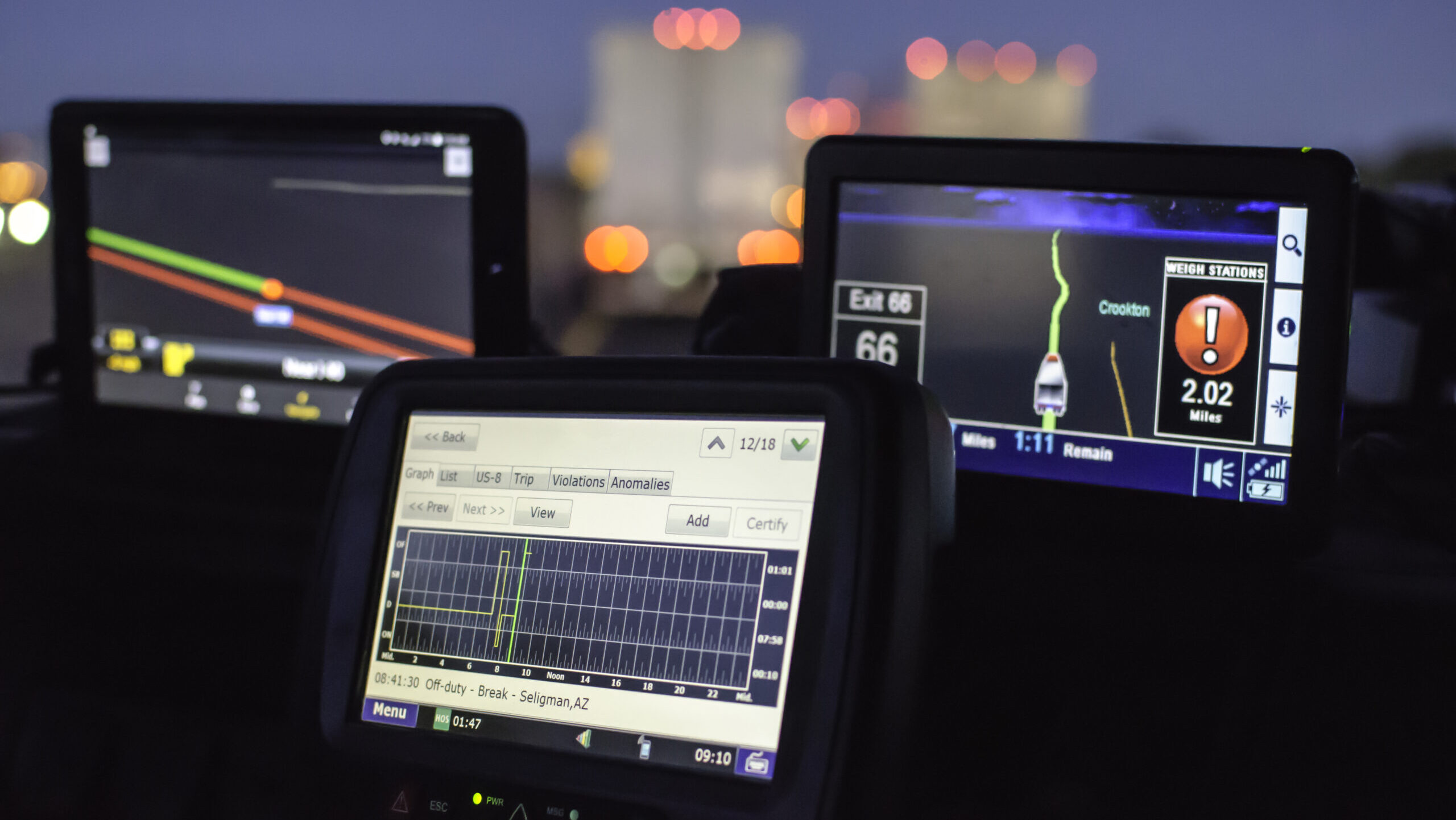
The Electronic Logging Device mandate was supposed to be the technological solution to hours-of-service fraud. No more paper logbooks. The device would electronically record driving time and prevent fatigued drivers from exceeding legal limits.
Except that the devices can be tampered with. During my investigations into chameleon carrier networks, I documented allegations of carriers maintaining backdoor access to ELD systems to falsify hours-of-service records. Colorado state inspectors identified patterns of ELD tampering. Westfield Transport, the carrier whose driver killed seven Marines, routinely tampered with ELDs and falsified hours-of-service logs, according to the NTSB. When a carrier can manipulate the device that’s supposed to ensure compliance, the entire regulatory framework becomes performative. The device exists. The data it produces is fiction. And the fatigued driver is still behind the wheel.
Enemies. Foreign and Domestic
The failures I’ve documented so far, the fraud, the crashes, the accountability gaps, are the visible damage. The threat landscape facing American trucking in 2026 extends well beyond what’s happening on the pavement.
Cargo theft is surging. CargoNet recorded over 3,600 strategic cargo theft incidents in 2025, a number that’s been climbing double digits year over year. The methods have evolved from the old smash-and-grab at truck stops to sophisticated identity-fraud operations, thieves impersonating legitimate carriers and brokers through fictitious pickups, double-brokering schemes, and spoofed load-board identities. The same chameleon carrier infrastructure I described earlier doesn’t just kill people on highways. It steals freight. A carrier operating under a fraudulent DOT number can pick up a $400,000 load of electronics, vanish the authority, and reappear next week under a new name at the same address. The system that can’t stop a carrier from killing a family of four also can’t stop them from stealing your customer’s freight, and the Venn diagram between those two populations is closer to a circle than anyone in this industry wants to admit.
Freight fraud, double brokering, factoring fraud, falsified BOLs, phantom carriers collecting payment on loads they never touched, is draining billions from an industry already bleeding from a two-year freight recession. The same technological gaps that allow a carrier to operate with a poster board DOT number allow a broker to collect payment on both sides of a transaction, assign loads to entities that don’t exist, and disappear into the same jurisdictional cracks that swallow chameleon carriers. Every fraud vector I’ve investigated traces back to the same root cause, one that the FMCSA has fixed with Idemia, to verify in real time that the entity operating a truck is who it claims to be.
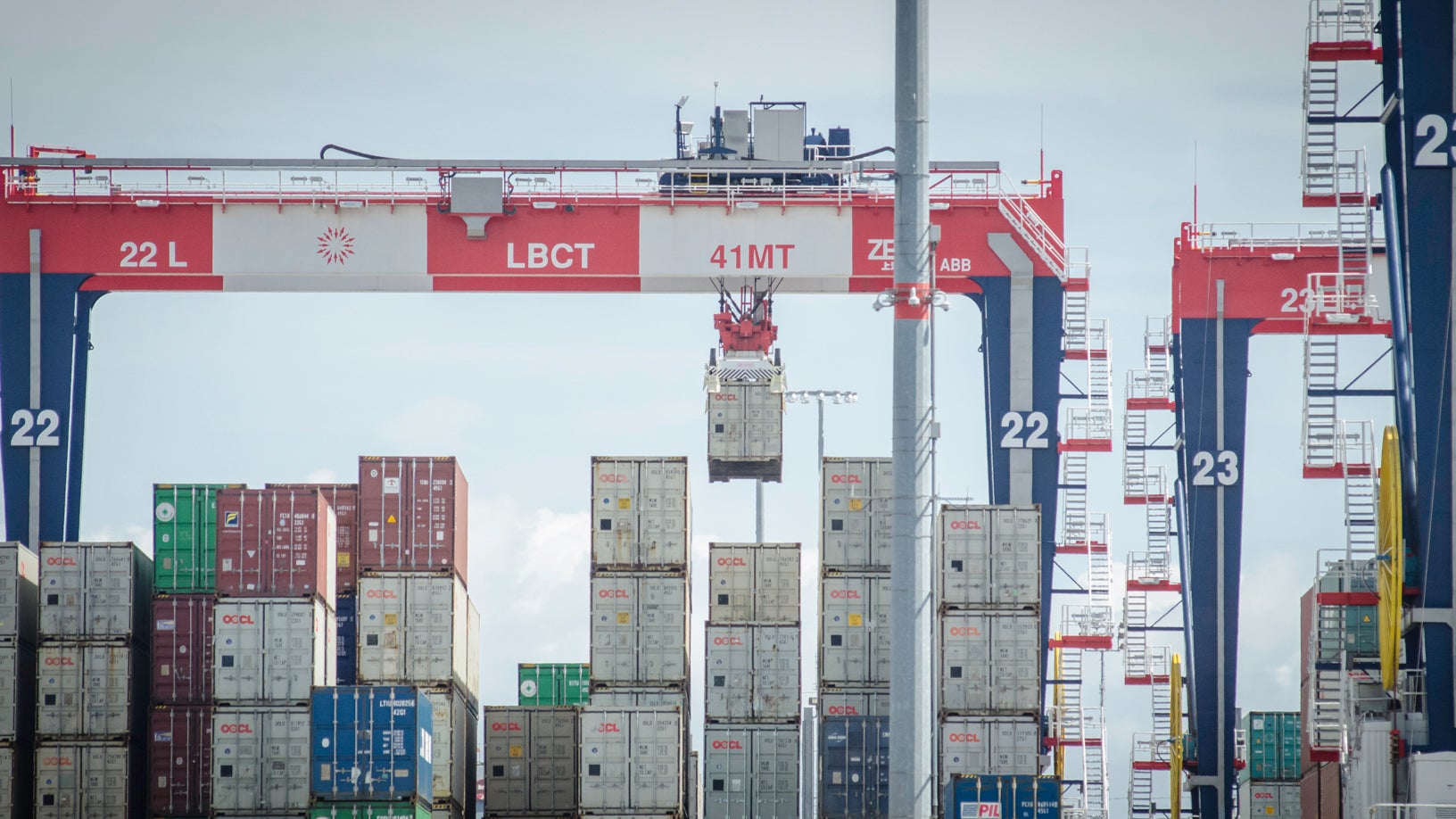
Then there’s the threat inside the truck itself. I wrote a piece for FreightWaves in January, “Dragon in the Cab: How China Quietly Embedded Itself in American Trucking,” documenting how Chinese state-owned companies operate our port terminals, manufacture 80 percent of our port cranes, track U.S. military cargo through the LOGINK platform, and buy farmland next to air bases. The vulnerability is the CAN bus, the unencrypted, unauthenticated vehicle control network that every modern truck runs on. The ELD mandate required every CMV in America to connect an electronic device to that network. We set no cybersecurity standards for those devices. We didn’t ask where they were manufactured. A significant percentage of the lowest-cost ELDs flooding the market were built by Chinese OEMs, white-labeled under American brands, and bought by the same carriers already cutting every other corner. Each of those devices has theoretical access to engine, braking, and transmission systems via a protocol designed in the 1980s that treats all commands equally. The same system that can’t verify a driver speaks English is the system we’re trusting to secure the digital integrity of vehicles hauling defense freight. The full investigation is in the FreightWaves piece. Read it.
Cargo theft, freight fraud, and vehicle cybersecurity aren’t separate problems. They’re symptoms of the same disease: an industry where identity is unverifiable, oversight is underfunded, and the barriers to entry are so low that anyone with an internet connection and a willingness to lie can operate an 80,000-pound vehicle, broker a load, or plug a device into a truck’s central nervous system. Until we fix the foundation, every threat built on top of it will keep growing.
The Legislative Landscape. Who’s Writing the Rules and Who’s Buying Them?
Meanwhile, the FMCSA’s interim final rule “Restoring Integrity to the Issuance of Non-Domiciled CDLs” was changed to “pending review” at the Office of Management and Budget last week. The nationwide CDL audit continues. Secretary Duffy has been the most aggressive DOT Secretary on trucking safety enforcement ever. But regulatory actions are reactive. They address symptoms. The disease is a system designed to prioritize commerce over safety. We have to understand that we didn’t get here overnight.
Congress has more trucking-specific legislation in the pipeline right now than anything I’ve seen in 25 years. I’ve been tracking 23 active bills and analyzing the positions of 538 members of Congress. I wrote the full breakdown in my legislation piece for FreightWaves, every bill, every sponsor, every argument for and against, and I’d encourage you to read it, but the State of Trucking conversation requires understanding not just what’s being proposed, but why most of it will never become law, and who’s making sure it doesn’t.
Here’s the short version of what’s moving:
Connor’s Law would require FMCSA to cross-reference the Drug and Alcohol Clearinghouse with state DMV records, basic database integration that should have happened a decade ago. A kid is dead because a driver failed a drug test in one state and got a new CDL in another. The Stop Aliens From Evading Driving Laws Act targets federal penalties for fraudulently obtained CDLs. Arizona House Bill 2345 would make it a Class 5 felony for an undocumented person to possess a fraudulent CDL and require law enforcement to impound the vehicle, with the carrier potentially losing the truck and facing civil penalties equal to the vehicle’s fair market value if they knowingly employed the driver. That bill cleared the committee on January 28 in a 5-3 vote. States are tired of waiting for Washington.
The Predatory Truck Leasing Prevention Act targets the lease-purchase debt traps that create indentured servitude conditions that feed the trafficking pipeline I described earlier. The Guaranteeing Overtime for Truckers Act would end the 1938 motor carrier exemption from overtime pay, a relic of a time when Congress apparently decided that the people keeping the economy moving didn’t deserve the same wage protections as everyone else.
On the dangerous side: the LICENSE Act would expand third-party CDL testing, the exact pipeline my 30 Days of Why investigation documented as criminally compromised from coast to coast. The Non-Domicile CDL Integrity Act has 36 co-sponsors and a name that sounds great until you read it and realize it could actually make CDL fraud easier by creating new categories and exceptions. When a bill has “Integrity” in the title, read the fine print.
Eighty-one percent of Congress, 438 members, have zero trucking-related legislative activity. Trucking moves 72 percent of the nation’s freight by weight. We employ 3.5 million drivers. We’re one of the last middle-class careers that doesn’t require a four-year degree. Four out of five members of Congress can’t be bothered to file, sponsor, or co-sponsor a single bill that addresses the industry.
The ones who do engage? Some of their engagement has often been purchased.
The American Trucking Associations hasn’t hired a lobbyist since 2013. The largest trade organization in the country’s most critical freight industry stopped using lobbyists over a decade ago. They didn’t need them anymore. They cut out the middleman and went straight to the source, greasing legislators’ pockets directly, Republican and Democrat alike.
I’ve tracked nearly $600,000 in ATA political contributions across both chambers. House Transportation and Infrastructure Committee Chair Sam Graves: $44,000. Former T&I Chair Peter DeFazio: $40,000. Former Speaker Kevin McCarthy: $37,500. Jim Clyburn: $34,000. Earl Blumenauer: $34,000. Mario Diaz-Balart: $32,000. Rick Crawford, the same congressman sponsoring both the DRIVE SAFE Act to put younger drivers in trucks and the Clearinghouse bill that critics say would weaken drug and alcohol enforcement: $30,000. Steny Hoyer: $26,500. The money flows to committee chairs, leadership, appropriators, and anyone with a hand on the levers that control DOT funding, FMCSA rulemaking authority, and trucking regulation.
This is how the “driver shortage” narrative became federal policy. This is how barriers to entry were lowered rather than raised. This is how English proficiency enforcement got downgraded from an out-of-service offense to a warning. This is how the insurance minimum stayed at $750,000 for 45 years. This is how third-party CDL testing expanded despite documented criminal fraud. Every policy failure I’ve outlined in this article has a money trail, and that trail leads to an industry trade organization that represents the interests of large carriers and brokerages, not drivers, not small carriers, and certainly not the families who bury their loved ones after preventable crashes.
The ATA’s stated positions consistently prioritize keeping operating costs low for large fleets over raising safety standards. They’ve pushed the “driver shortage” narrative to justify lowering the interstate driving age, importing foreign labor, and expanding CDL testing access, the same access that feeds the fraud pipeline. They’ve lobbied against meaningful increases to the minimum insurance requirement. And they’ve spent nearly $600,000 making sure the members of Congress who write trucking law see things their way.
Legislation in trucking doesn’t live or die on merit. It lives or dies on money. Good bills with no financial backing stall in committee. Bad bills with well-funded sponsors get 36 co-sponsors and “Integrity” in the title. The families of crash victims testify on Capitol Hill, and the committees nod sympathetically, and then they vote the way the contribution ledger tells them to.
Secretary Duffy and Administrator Barrs have done more through executive action and enforcement in the last year than Congress has done legislatively in a decade. That’s not only a compliment to the administration; it’s an indictment of the legislature. When the executive branch has to drag the regulatory framework forward because Congress is too bought to act, the system isn’t broken. It’s working exactly as the people who paid for it intended.
I wrote the full legislative breakdown: every bill, every co-sponsor, every argument, so carriers can see exactly what’s at stake. Trucking Legislation 2026. The 101 Breakdown Carriers Need Read it. Know who your representatives are. Know where their money comes from. The next time someone tells you “there’s nothing we can do,” remember: 81 percent of Congress isn’t even trying.
What Happens Next?
I’m not a politician. I’m a guy who started driving trucks, worked his way through every level of this industry, and now spends his time trying to keep people from dying on the highway. Here’s what needs to happen, stripped of the political theater we often never see through its disguise.
Accountability first. Carriers’ principals who knowingly operate illegal companies that kill people need to face real prison time, not two months, not misdemeanor careless driving. Federal prosecutors should pursue manslaughter charges against carrier ownership when their negligence directly causes death. Seven dead Marines and the carrier owner does two months? That’s not justice. That’s an invitation to keep killing people.
Raise the minimum insurance requirement. $750,000 was set in 1980. Adjust it for inflation at a minimum. Tie it to fleet size, cargo type, and safety record. Make the insurance cost of operating unsafely prohibitive enough that carriers either get compliant or get off the road.
Fund FMCSA enforcement to match the scale of the problem. The agency oversees more than 500,000 active motor carriers with a budget that makes meaningful oversight impossible. New carrier registrations should trigger automatic safety audits.
Close the chameleon carrier loophole permanently. Biometric identification of carrier principals. Cross-referencing of officers, addresses, vehicles, and drivers across all active and recently revoked authorities. If a carrier is shut down for cause, any entity that shares officers, addresses, or assets should be flagged and investigated immediately.
Standardize CDL licensing nationally. One standard. One test. Administered consistently. If a CDL is supposed to mean something, it needs to mean the same thing in all 50 states.
Hold brokers and shippers accountable. If the Court grants brokers blanket immunity in Montgomery v. Caribe, Congress needs to act. The entities that profit from moving freight have a moral obligation and should have a legal obligation to ensure the carriers they contract with are safe.
Overhaul the medical examiner program. Audit certificate volumes by provider. Flag statistical outliers. Remove examiners issuing certificates in volumes inconsistent with legitimate practice and retroactively review the certifications they issued.
Track outcomes from publicly funded CDL programs. Every dollar of WIOA funding used for CDL training should include mandatory reporting of safety outcomes. Graduation rates are meaningless. Crash involvement rates and carrier compliance status of employers, that’s what matters.
Senator Jim Banks took the floor Monday to name the Jay County victims and call out the system that killed them. I’m glad the mainstream conversation is finally catching up. But I want to be clear: this problem didn’t start with immigration policy, and it won’t end with immigration enforcement alone.
Illegal labor is a symptom of a system built to fail. Licensing standards were lowered. Enforcement was defunded. Accountability was spread across so many parties that no one was responsible for anything. The brokerages got rich. The shippers got cheap freight. The carriers cut corners. The drivers, legal and illegal alike, were exploited. And Americans died.
I’ve been documenting this system for years, but more so over a year through my 30 Days of Why series, my FreightWaves coverage, and my investigative work. I’ve compiled criminal case repositories going back to 2001. I’ve mapped chameleon carrier networks, carrier by carrier, crash by crash, VIN by VIN. I’ve identified the fraud pipeline from the CDL school to the medical examiner to Chameleon Carrier to the fatal crash. None of this is new to people inside the industry. What’s new is that the rest of America is finally seeing it.
The question is whether we’ll do something about it or move on to the next news cycle and wait for the next crash and the next set of grieving families asking why.
Deann Miller said it best: “He was my soulmate. We had all kinds of plans. And now I’m alone.”
That’s the cost. Not a regulatory compliance metric. Not a number on a spreadsheet. A 64-year-old man who just wanted to enjoy his retirement with the woman he’d loved for 47 years, crushed to death by improperly secured steel piping on a truck that shouldn’t have been on the road, driven by a man who shouldn’t have been in the country, employed by a carrier that should have been shut down years ago, hauling a load brokered by a company that will never be held accountable.