




Stuart Chirls
Monday, January 26, 2026
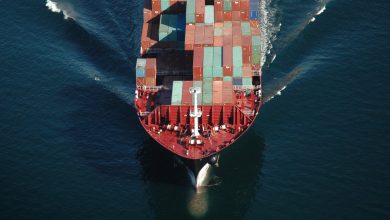
New analysis sees ocean rates set to fall further
Ocean container rates out of Asia fell by double-digits in the latest week following Chinese New Year.
Ocean container rates out of Asia fell by double-digits in the latest week following Chinese New Year.

Ocean container shipping holds its collective breath as Trump threatens new EU tariffs over Greenland purchase.
Congress is scrambling to block Chinese purchases of farmland near bases. But nobody is systematically vetting who climbs into the cab to haul freight to and from military installations. Given everything we now know, shouldn’t we at least ask the question?
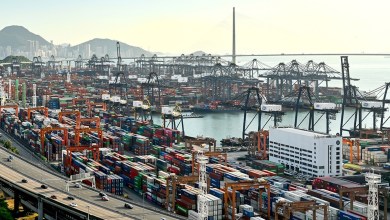
Container rates on the eastbound trans-Pacific are climbing, but several factors are likely to weigh on a rebound.
The Trump administration delayed planned tariff hikes on furniture, while sharply reducing proposed 90% duties on Italian pasta.

Rising trans-Pacific ocean freight rates are expected to climb further as demand picks up in anticipation of the Lunar New Year holiday.

This week in Borderlands Mexico: Podcast series focuses on high-stakes US–Mexico trade conversations; Mexico begins tariffs of up to 35% on Chinese imports; and Chihuahua becomes Mexico’s top exporting state in 2025.

There has been no confirmation regarding online images that appear to show a Chinese cargo ship equipped with missile launchers, radar and other military hardware.
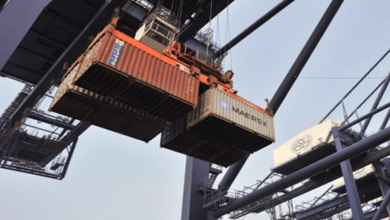
China is pushing for state-owned ship operator Cosco to acquire a controlling stake in a $22.8 billion deal for global ports that include two Panama Canal hubs.

Capacity reductions and additional blanked sailings by carriers struggle to maintain recent General Rate Increases on the trans-Pacific.
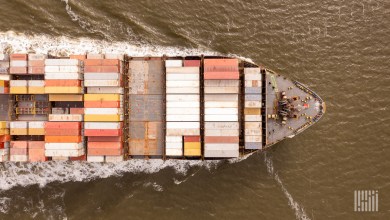
Mexico approved tariffs of up to 50% on Chinese and Asian imports, a move analysts say is aimed at placating the Trump administration.
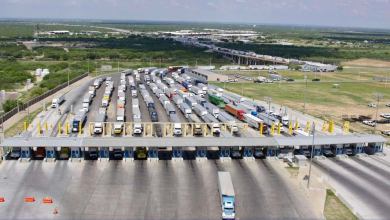
Mexico dominated U.S. trade in August as cross-border freight and goods surged to $74.4 billion.
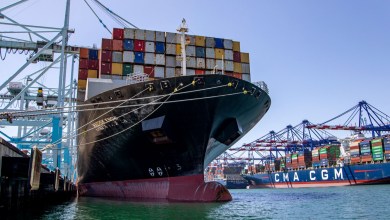
Steady October volume has put the Port of Los Angeles within reach of 10 million TEUs for a record third consecutive year.

Now-paused port fees on Chinese ships were a misguided attempt to revitalize U.S. maritime fortunes at the expense of American exporters, a trade group leader says.
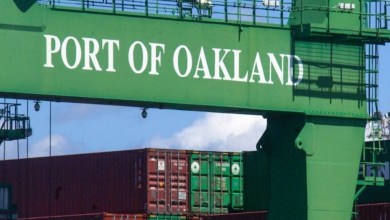
The Port of Oakland saw loaded containers improve 2.2% October from September as global shipping rebalanced.

The world’s third-largest container carrier said Q3 profits fall 72.6% on geopolitics and heightened trade tensions.
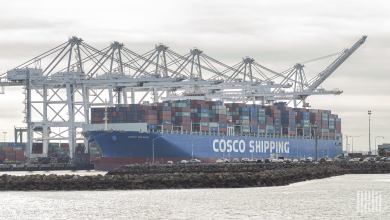
The U.S. Trade Representative officially suspended fees on cargo ships built in China, which whipsawed global shipping struggling to cope with the effects of tariffs and a realigning of trade.
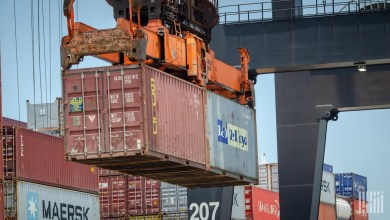
Container ports will see a more pronounced import slowdown to start 2026, the National Retail Federation predicts.
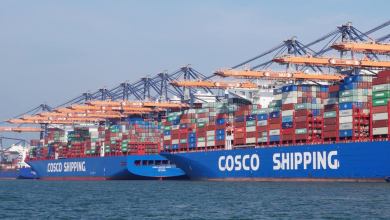
The Office of the U.S. Trade Representative is asking for public comment on the proposal to suspend port fees on Chinese ships.
A slate of China agreements clears some of the uncertainty around ocean shipping, but questions still surround demand in the U.S. and other markets.